Joe Norman: From spatial design to landscape architecture
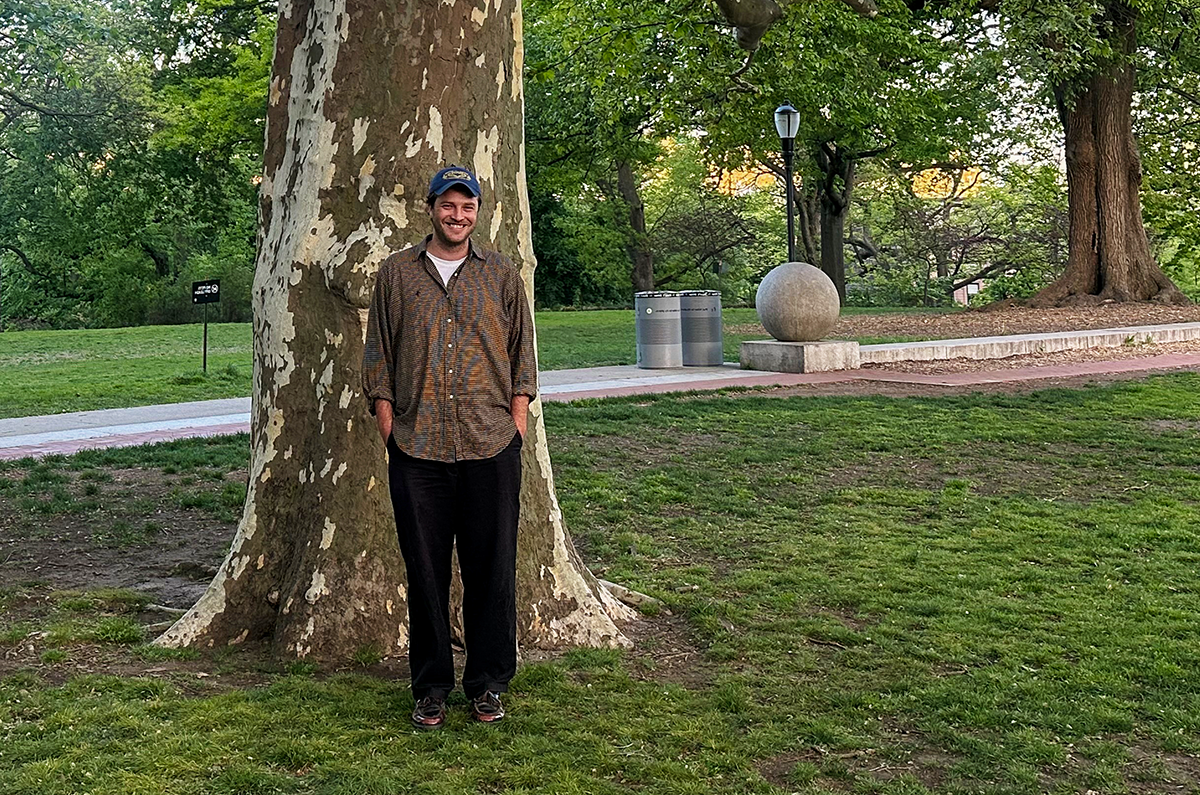
Joe Norman at Fort Greene Park, Brooklyn NYC. All images below were created by Joe.
Joe Norman's progression into landscape architecture was a slow burner.
Emerging from Wellington High School Joe took a gap year before deciding what direction to pursue at university. Landscape architecture wasn't on his radar. "I didn't really know it was an option or what it was".
He had given some consideration to civil engineering or industrial design, but his interest in native birds gelled with projects that leveraged ecology and design and he decided to embark on a four-year Bachelor of Design with Honours, majoring in Spatial Design, at Massey University.
There may have been subtle family influences. His parents have both worked in the world of books and publishing and his father Geoff is well-known for working on books that include Buller's Birds of New Zealand: The Complete Work of J.G. Keulemans and Birdstories: A history of the birds of New Zealand. Further back his paternal grandfather, Robert George Norman, made a mark in engineering, and is in Engineering NZ's hall of fame for the roles he played at the Ministry of Works.
During his degree Joe was attracted by a student exchange option Massey offered with the University of Wisconsin, specifically UW-Madison on the shores of Lake Mendota. He managed to spend most of 2016 there studying a mix of landscape architecture - "my first real push in that direction" - as well as interior design and graphic design, while also squeezing in travel beyond the mid-west to California and Florida.
In his final year at Massey his portfolio examined how dispersed, informal pockets of nature within urban environments can significantly influence biodiversity and reshape our understanding of nature. This research embraced the idea of designing not just for the human experience, through the adaptive reuse of a dilapidated factory - a retrofitting of the former Tip Top factory in Wellington (now demolished) - as a native seedbank and urban park.
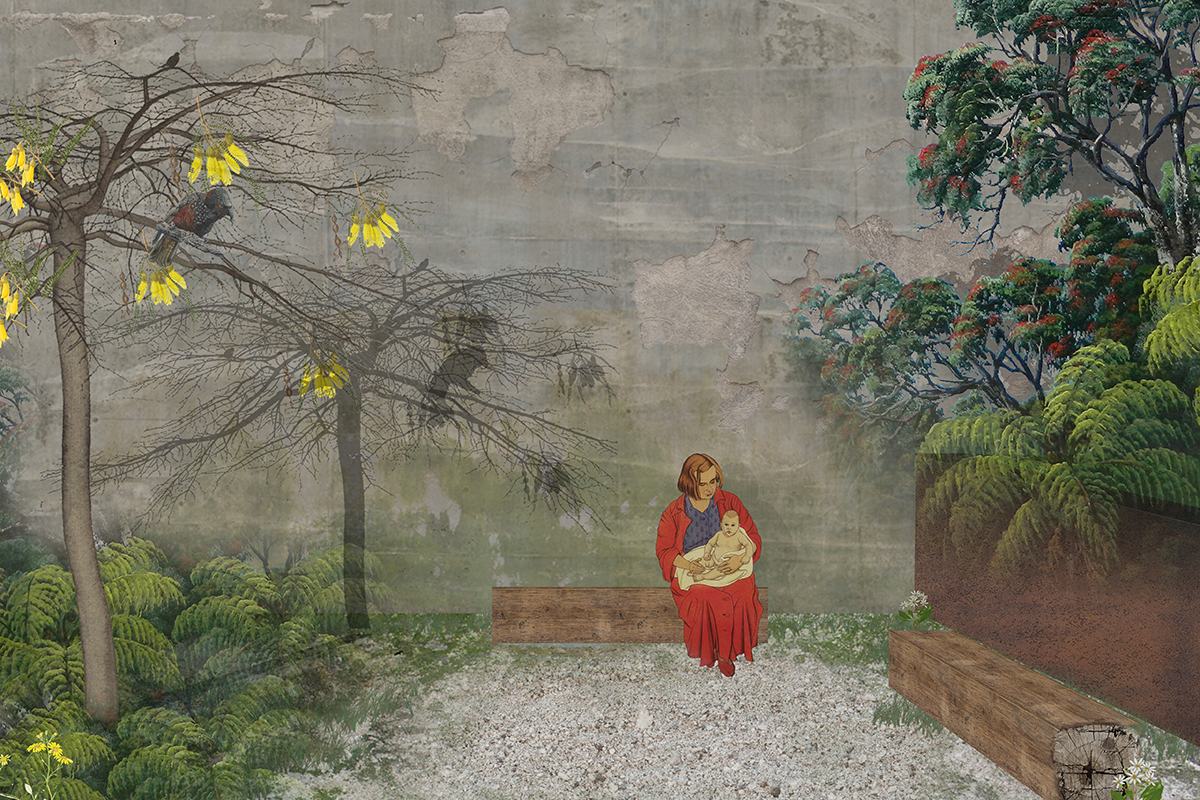
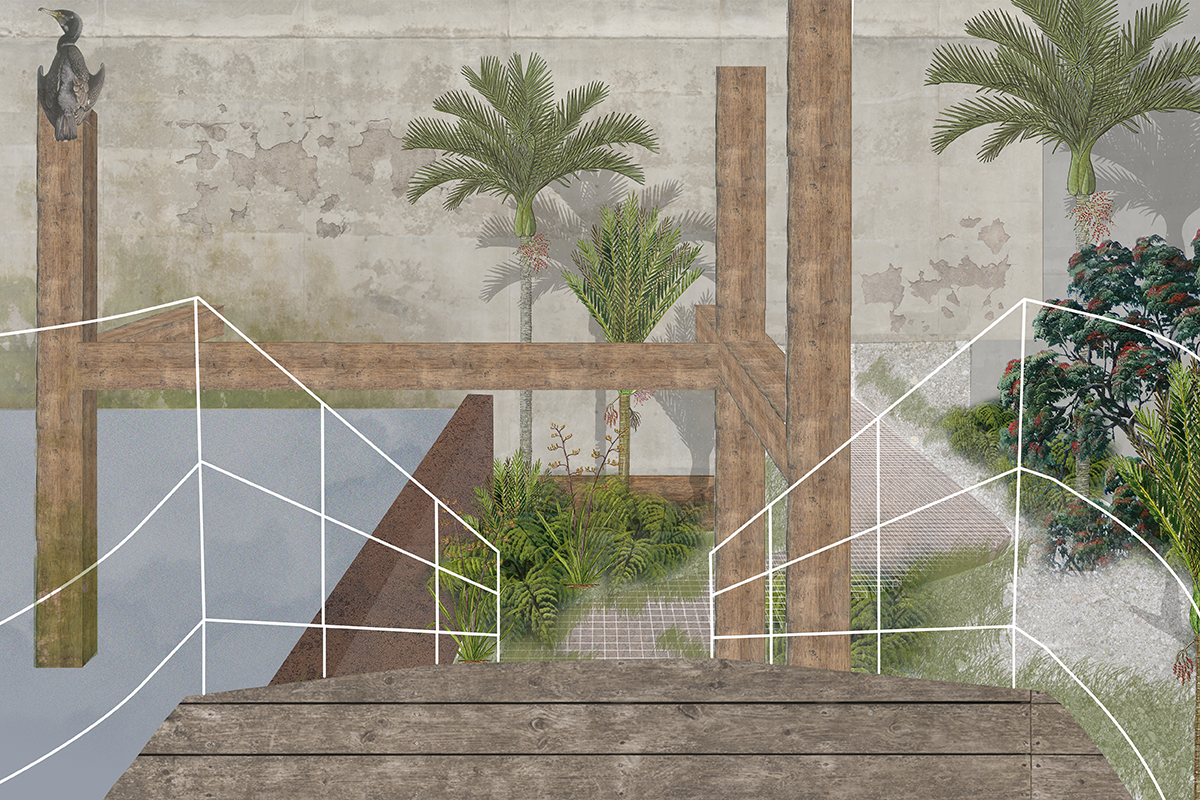

His project received an award for design communication, was published in The Artichoke, an Australian architecture and design magazine (now called Interiors), and was a finalist in the New Zealand Best Awards for Spatial Design.
By that point Joe says his studies began to feel "much more aligned with landscape architecture than any other discipline".
Back and forth to the USA
After studying, Joe’s eligibility for working in the USA continued through J-1 visas - followed later by a lucky draw in the Green Card Lottery.
"Originally, I was considering either living in San Francisco or Seattle, so went and checked those places out. I had a friend in New York whose apartment was free for a month, so ended up staying there and started cold-calling companies. I sort of reverse searched companies in New York through Landezine. I had seen some of terrain’s work on that website and given my interest in ecology and restoration work was really interested in the Noname Inlet project".
"When I reached out to Steven (Tupu), terrain's founding principal, I had no idea he was also from Wellington. We met for a chat and I while I was over in DC visiting a friend, I got an email that their summer intern had pulled out last minute, so they had a space. Needless to say I hopped on a bus as soon as I could, and started up at terrain the next week".
During Covid times Joe alighted back in Wellington in 2021 to work with Xanthe White Design, before he returned to terrain with a greatly honed ability to design smaller, more intimate garden spaces and enhanced expertise in planting design.
“At Xanthe White Design, I worked on a large number of residential projects in quick succession across the North Island. Working on these projects provided a strong foundation in designing with complex topography, and developed my ability to respond to challenging site conditions to craft intimate, curated gardens.
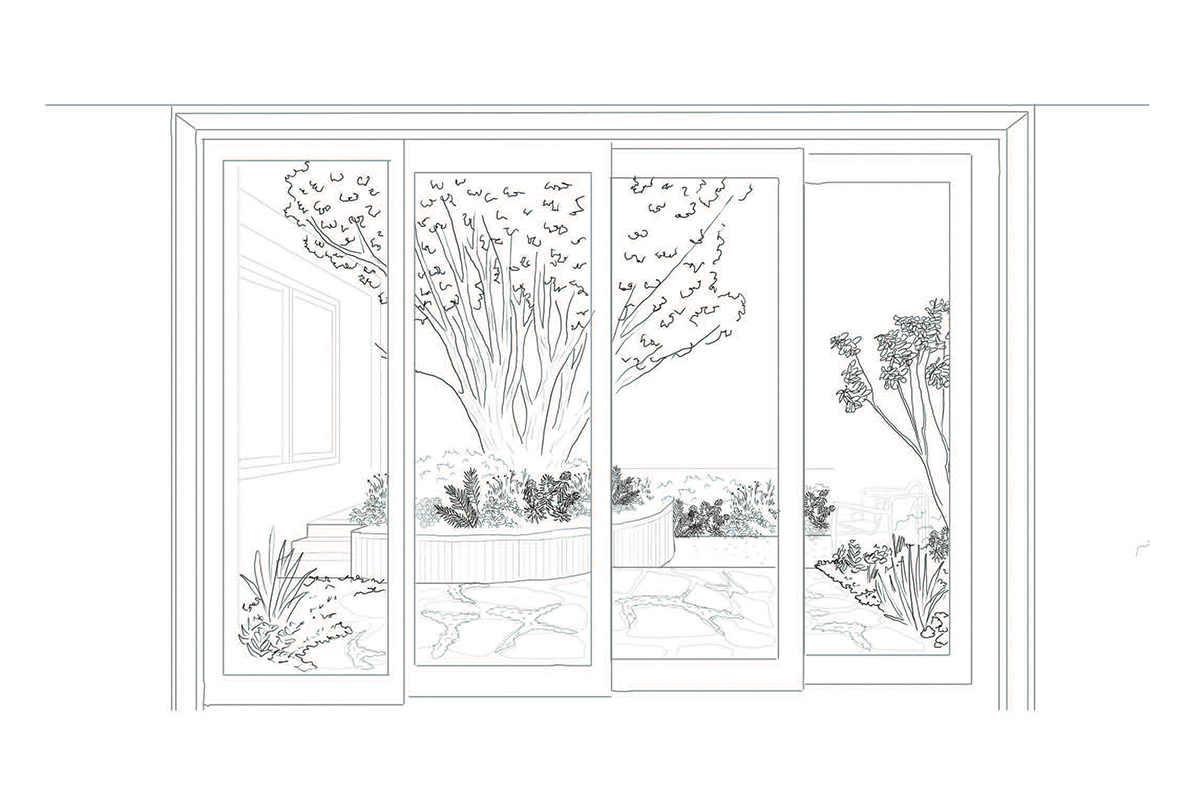
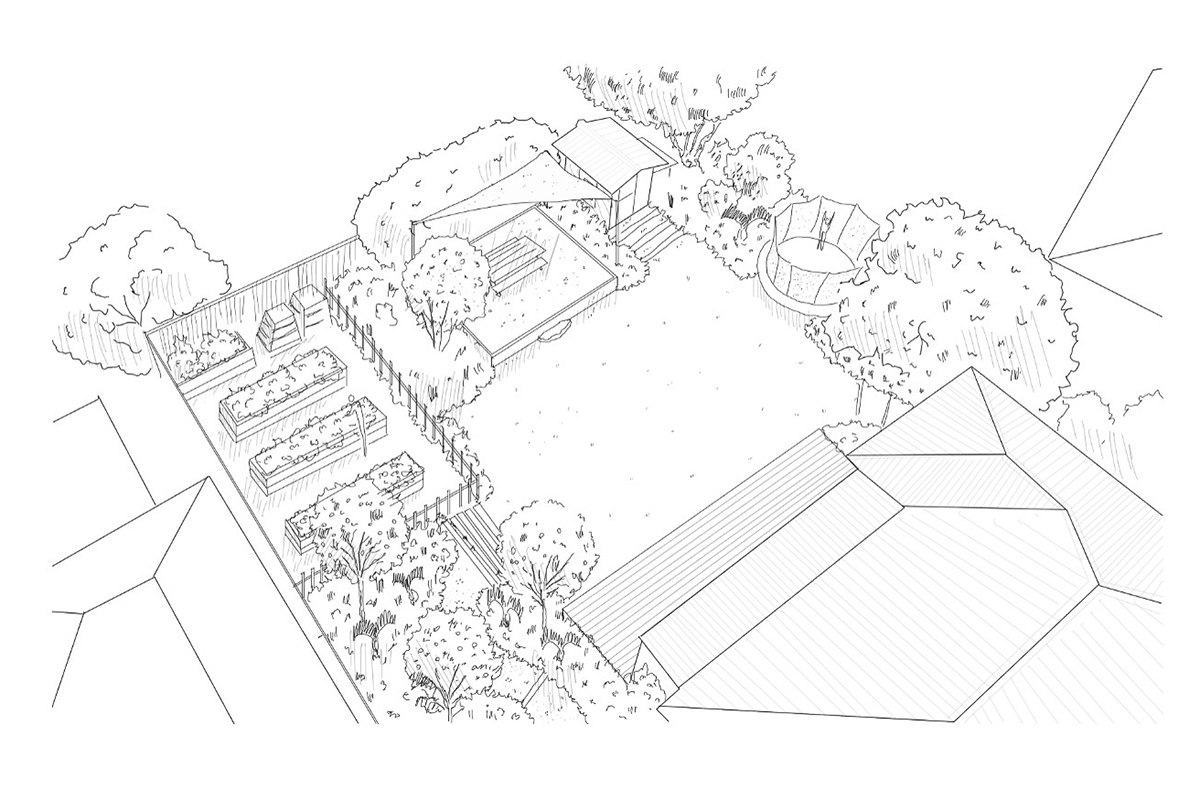
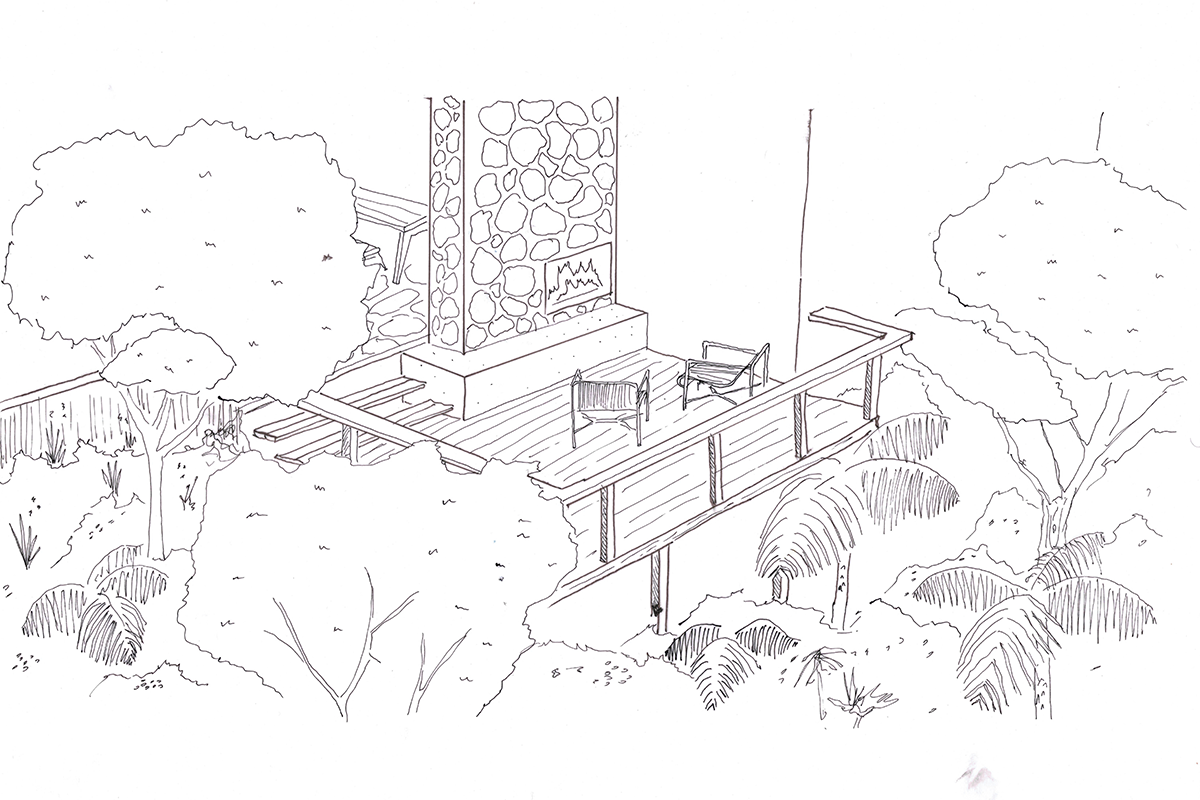
"This experience felt closely aligned with the thinking that informed my undergraduate thesis, particularly around the importance of small pockets of nature within the city. Privately owned gardens make up a significant proportion of New Zealand’s urban landscapes. While residential design often serves clients who have the means to afford designed gardens, these spices are occupied for only a fraction of the time by the owners compared to biodiverse native fauna that move through them with little regard for property boundaries.
"Additionally, I’ve found residential landscape design to be a great way for young designers to build confidence, see projects completed and get some trees in the ground - often with a much lighter footprint than commercial projects. Being in Xanthe White’s Wellington office was a real treat, it’s a small team of passionate people who I miss dearly”.
Life in the Boroughs
All up Joe has now lived and worked in New York City for "six-ish years" since 2018.
"At terrain the vast majority of our work is local. Working on affordable housing means that we’re often working across the five boroughs and over time you really get to see and explore all corners of New York.
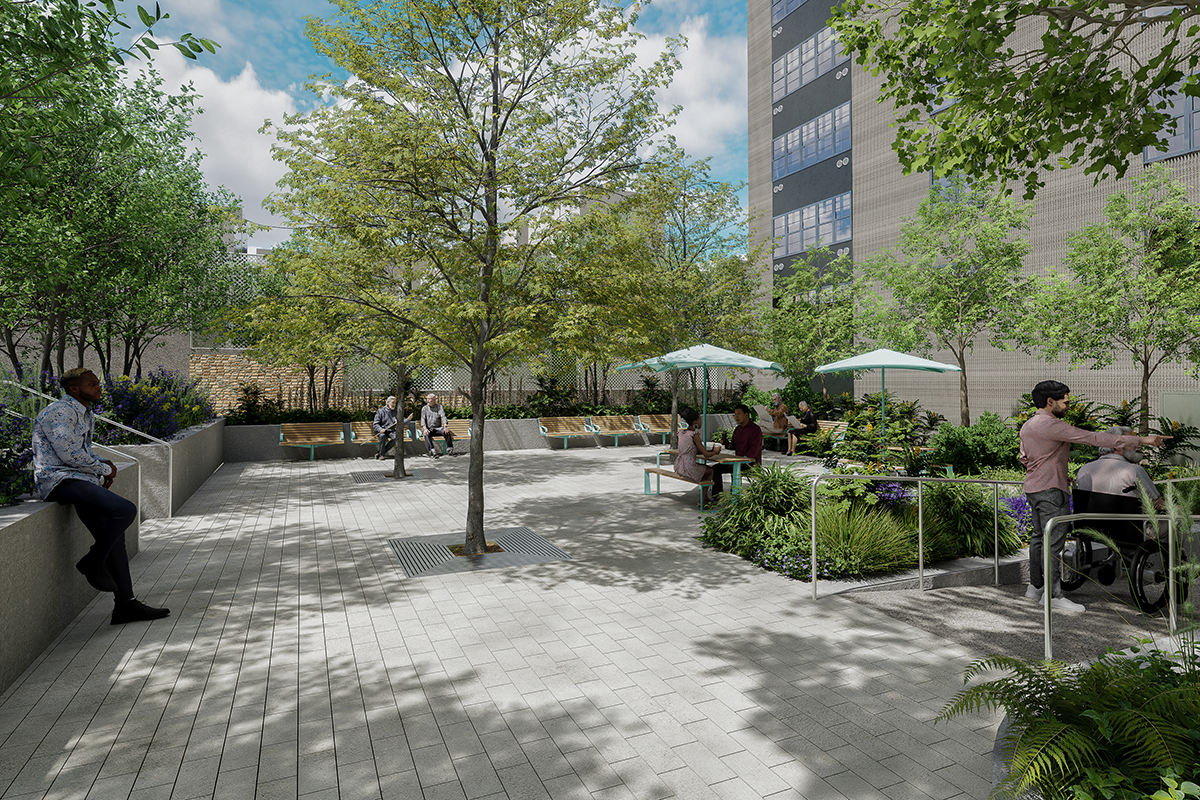
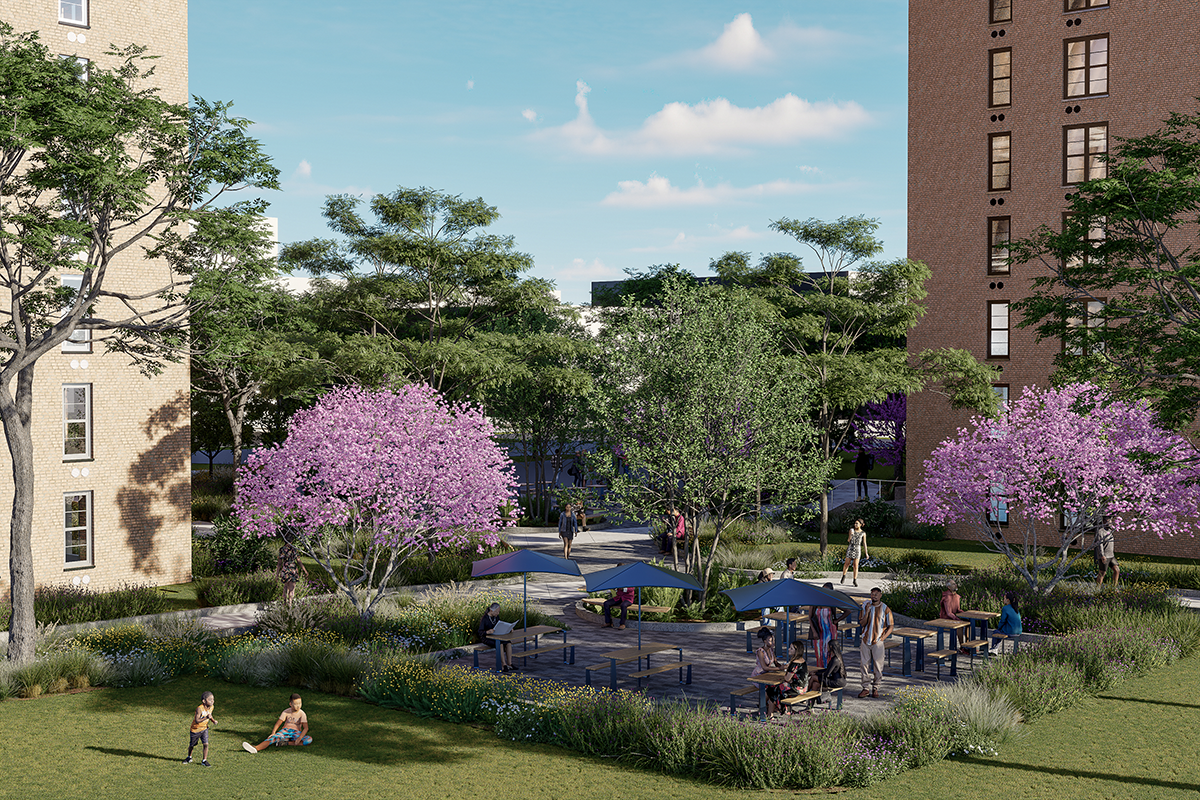
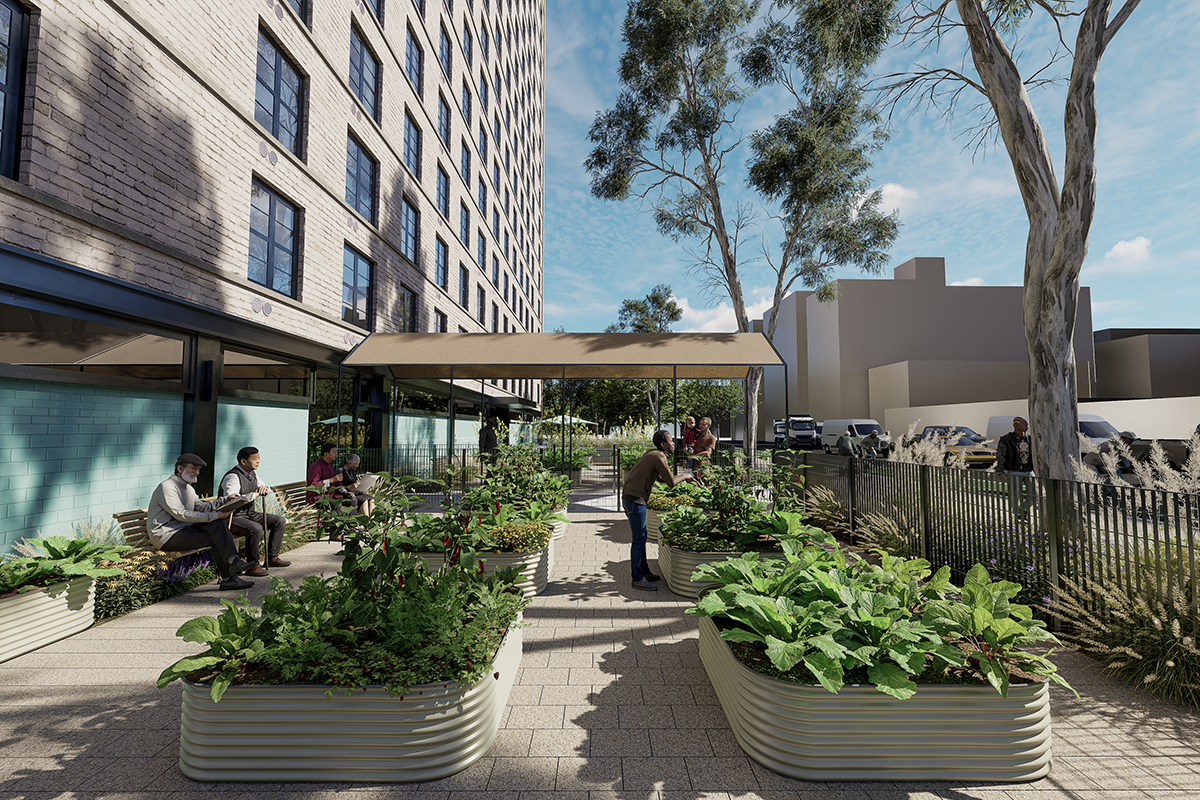
"New York is a city that, out of necessity, has always been progressive in its approach to housing. Much of this is the result of strong policy and financial incentives, which often bring together people from different backgrounds and value systems. A major challenge in these projects has been learning how to advocate for landscape in situations where either the funding is not available or it is not seen as a priority”.
"At terrain everyone values creativity and site specific design, we’re often designing completely custom elements for projects as opposed to copy-pasting details. We do of course learn from those elements that work well and those that have challenges, however it’s nice to be in an environment that values exploration.
"The team is small and close. Everyone’s always open to helping each other out and we play a role in each and every project that comes in the door. Additionally, the way the office is structured is non-hierarchical so the projects feel very collaborative and there’s a general vibe of wanting each other to succeed".
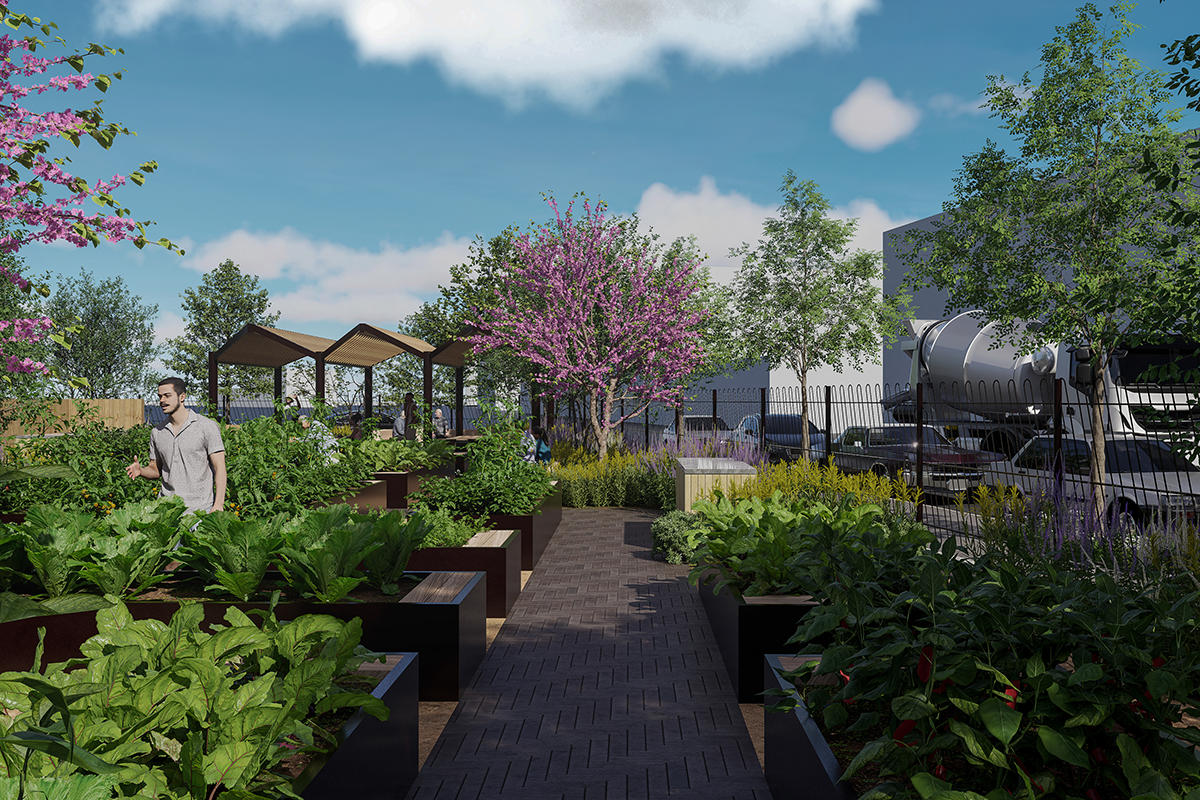
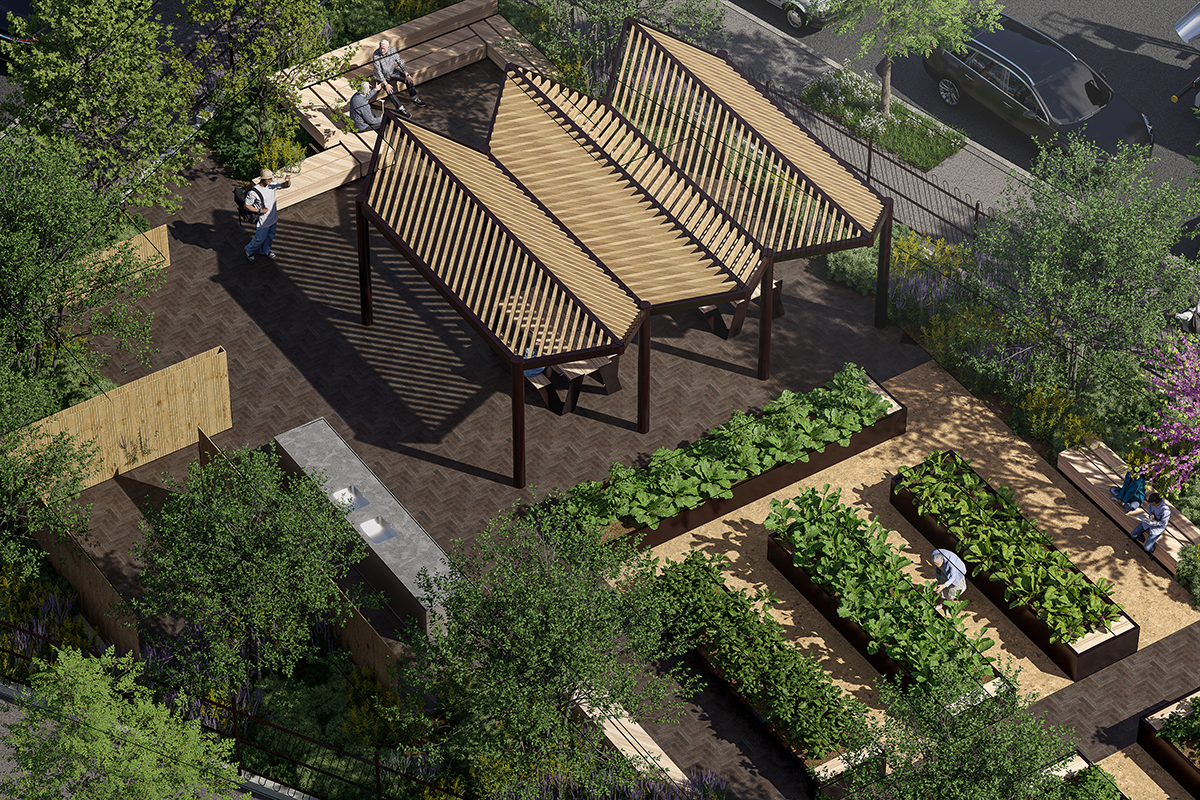
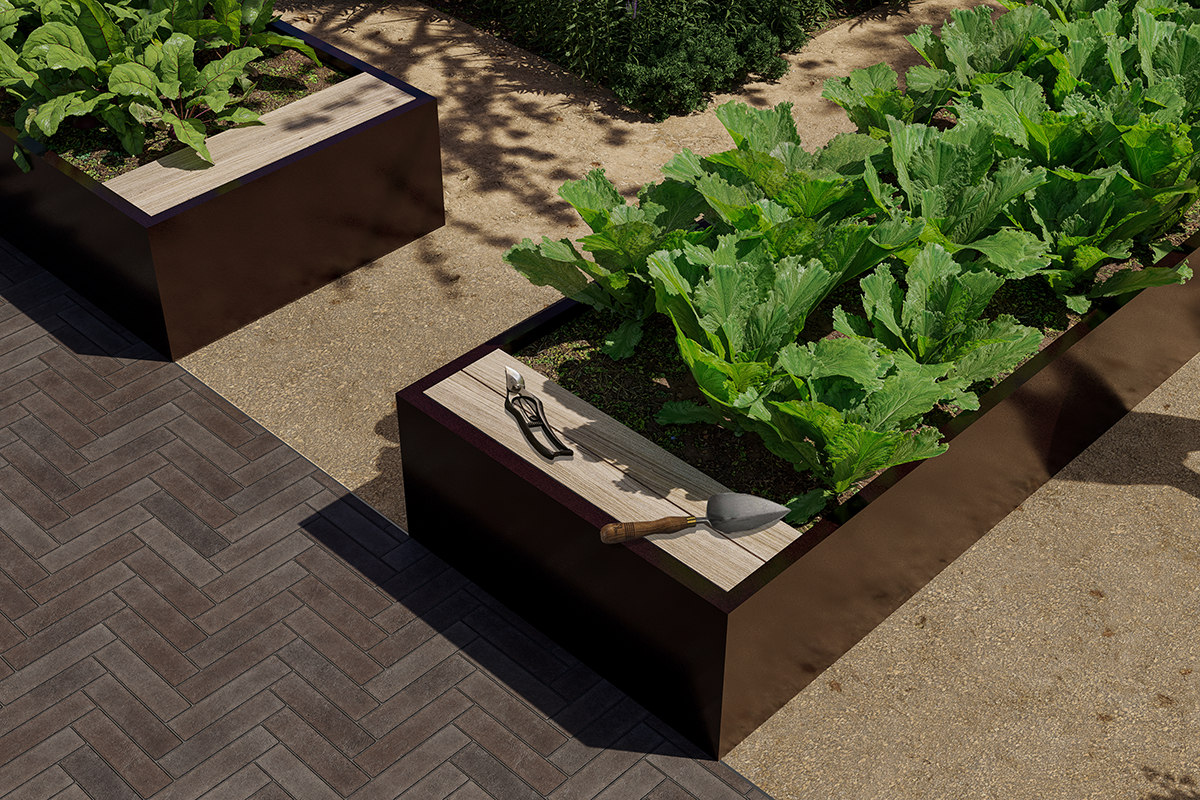
All in all, Joe is "very glad" to be working in the field he's "landed in" - and is inspired by the prospect of working on projects such as a one-acre waterfront park at the tip of Manhattan as well as a community garden in the Bronx.
"I do think the programme at Massey provided the flexibility I needed at a stage when I was still identifying my interests and what I wanted to do.
"Lecturers Jen Archer-Martin, Meg Rollandi and Dr. Julienna Preston were all influential for me. Additionally, I had a great cohort who are now all off doing different things, including set design, architecture, graphic design, film making. They're scattered around, from back home in Aotearoa to Australia, England, Germany and elsewhere. Many of them are still very close friends, and at least two are in New York.
"This kind of variety is possibly something you don’t get in a more traditional or direct path, and equally I really appreciate that landscape architecture is often something people find later.
"I have a lot of respect for the designers who found their path right out of high school, but you also see many others who find their way through a wide range of backgrounds. I have know people for instance who found their way into landscape architecture after studying sculpture, geography, law, and fashion”.
Completing a postgraduate qualification remains an ambition. "I began a Masters at Victoria University which was interrupted by winning the Green Card Lottery and my subsequent move to the USA. I should give a shout out to my MA supervisor at the time, Hannah Hopewell, who is now at Louisiana State University, and to people I studied with like Luke Mayall [now with Wraight + Associates] and Florence McNeill”.
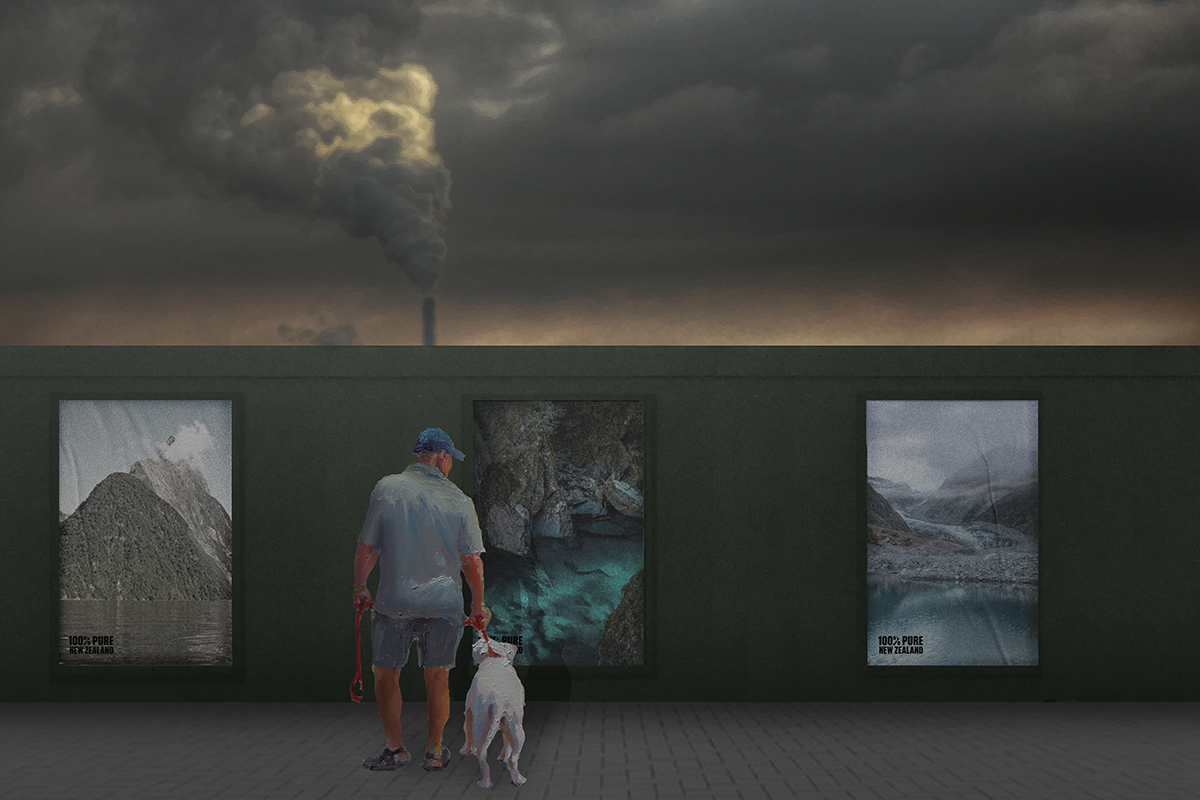
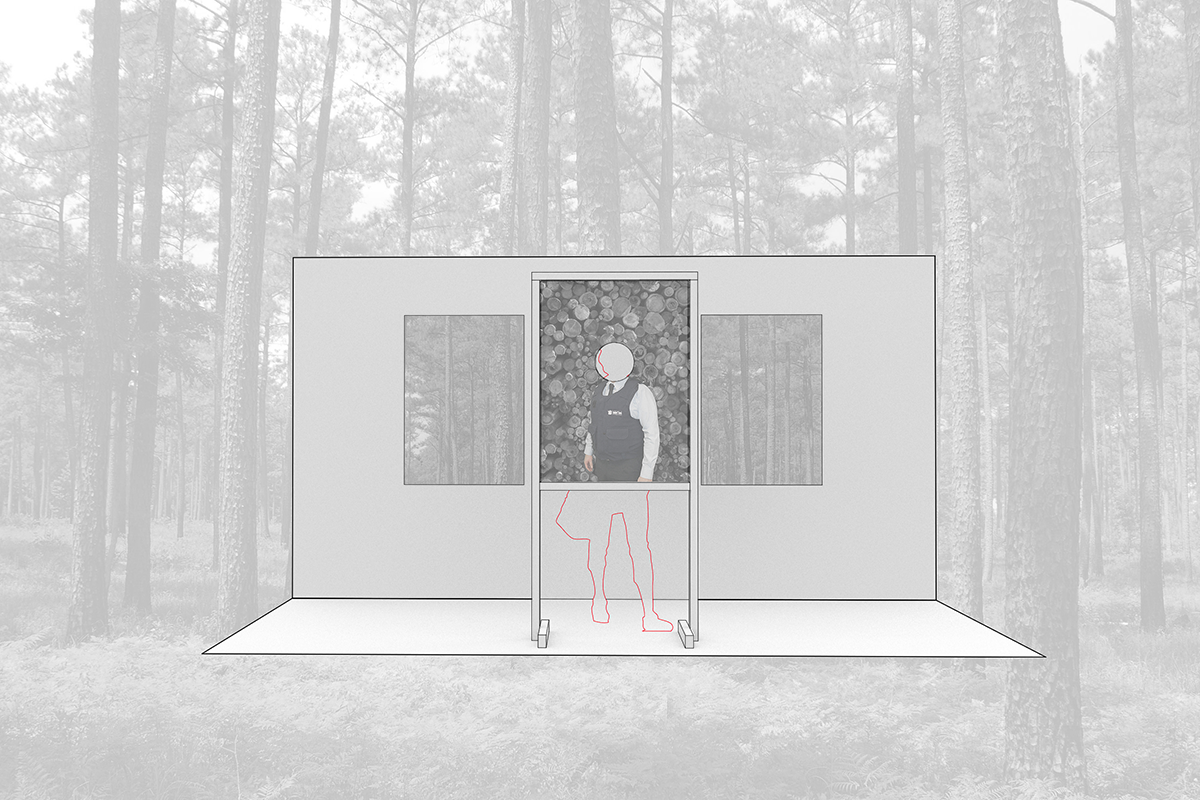
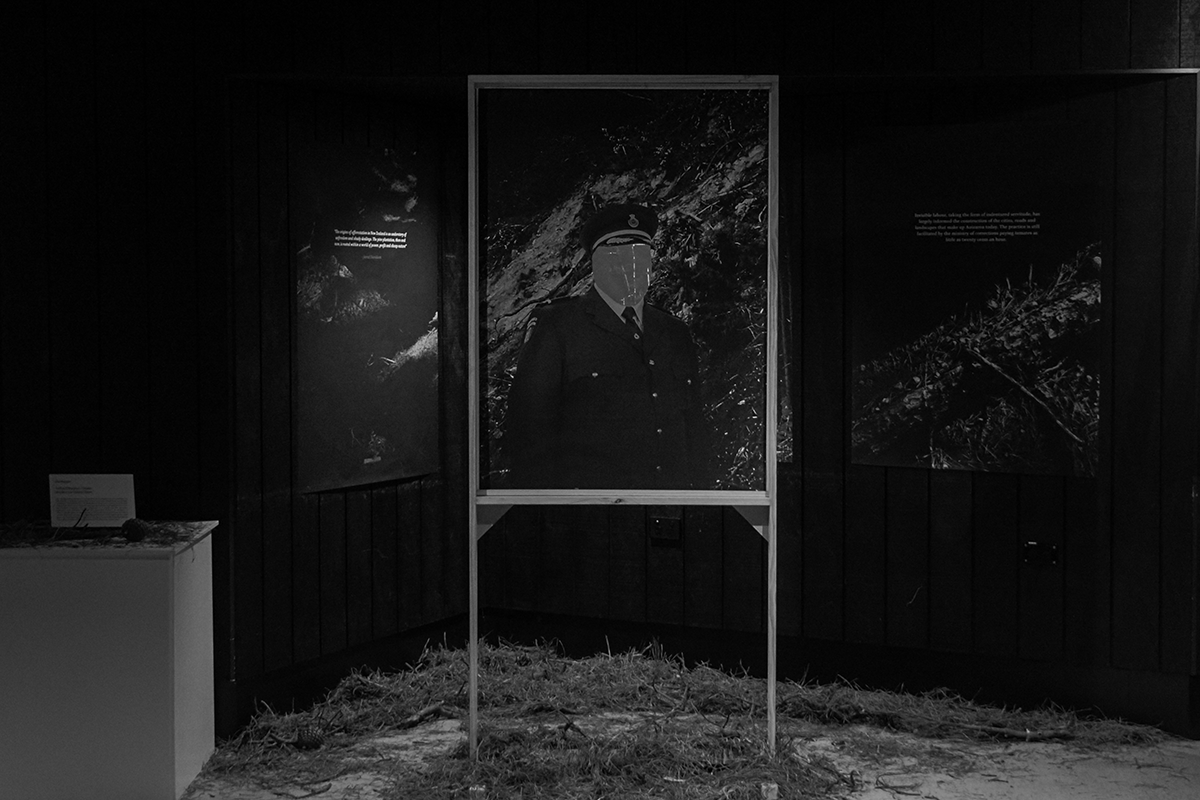
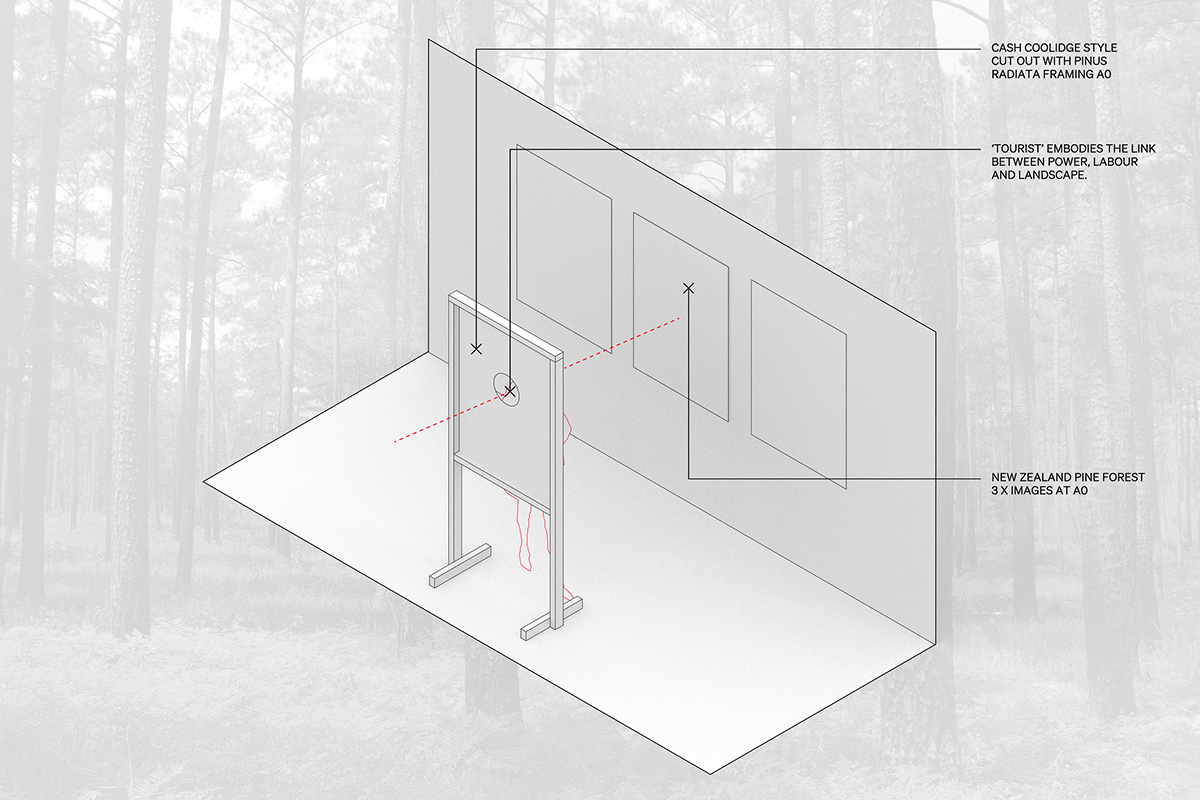
"The thesis I've worked on explored ecologies of extraction in Aotearoa New Zealand, using pine plantations as a starting point to think through broader extractive systems. I focused on Havelock because of the density and diversity of these practices, examining how forestry, aquaculture, and agriculture intersect alongside an expanding tourism economy. I approached it as a landscape where extraction unfolds across ecological, spatial, and cultural dimensions particularly within the estuary itself".
"Otherwise there are personal projects I’d like to finish here and there, as time allows, such as design competitions, ceramic work and some writing and photography".
LAA's last question to Joe sought out any advice he might offer to emerging professionals who set their sights on working offshore.
Joe: "I have personally found a lot of value in travel and exploration. I think it builds your adaptability and opens you to different ways and ideas around design, and life in general.
"At the same time I would also say that, in my opinion, landscape architecture is a profession that is best done by people who know intimately the land and the plants that they are working with.
“Additionally, I gain a lot of inspiration from the work being done in Aotearoa and Australia – (by contrast) I think the strength of design sense and value system isn't necessarily as common as it could be here in the States".