LANDSCAPE EXPANDED
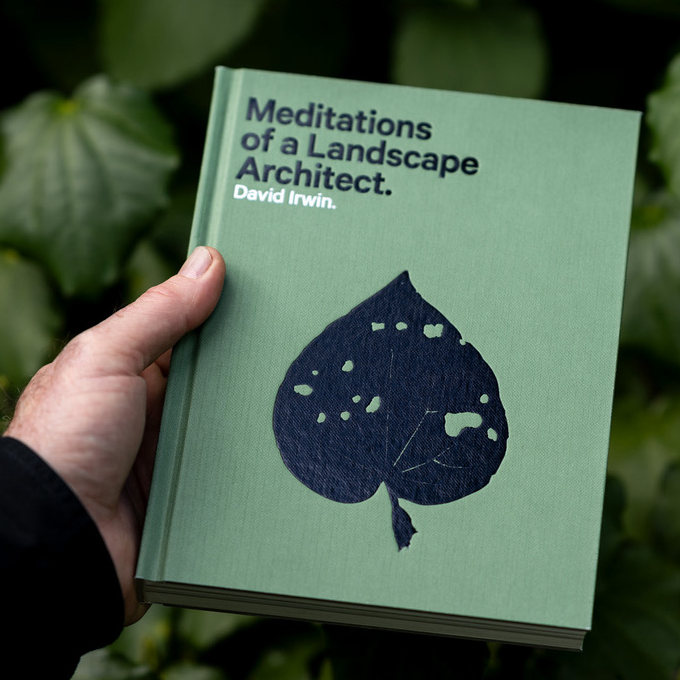
In bringing the thinking behind four decades of design practice into view, David Irwin’s Meditations of a Landscape Architect is an invocation of many fundamentals for the profession: Let the land breathe; Hold your pen lightly; and What is what (to name a few).
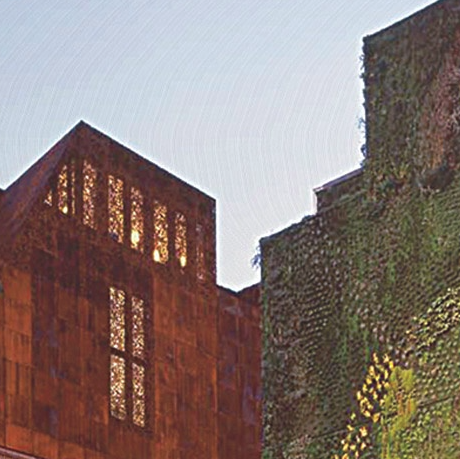
The profile of landscape architects can benefit greatly from high-circulation publications. At The Architect’s Newspaper (known as AN and Archpaper.com) landscape stories are, as an example, pushed into the limelight in at least one landscape architecture themed issue a year.
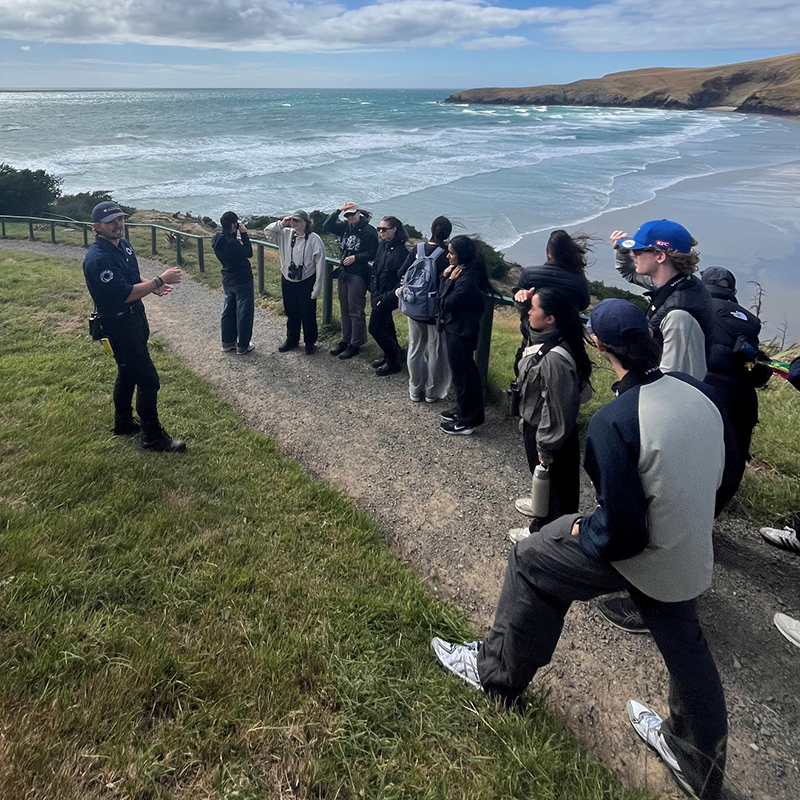
Atelier South is an intensive international Summer School hosted by the School of Architecture at Otago Polytechnic that explores how design education can respond to urgent environmental and social challenges.
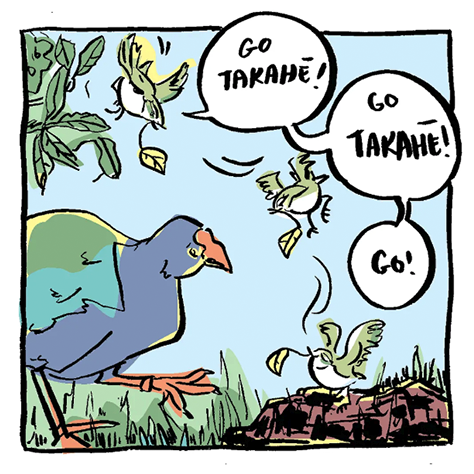
Voting opens on 4 September! Voting for Forest & Bird’s Bird of the Year competition that is, and there’s still time to find a manu that doesn’t yet have a campaign manager. Inspired by comic artist Tara Black, LAA is backing the Takahē.
For the second year running, our #LandscapeExpanded section draws attention to this year’s National Poetry Day. Whether you’re well versed in poetry or not, this is your chance to WIN a copy of the just-released 2026 Poetry Aotearoa Yearbook.
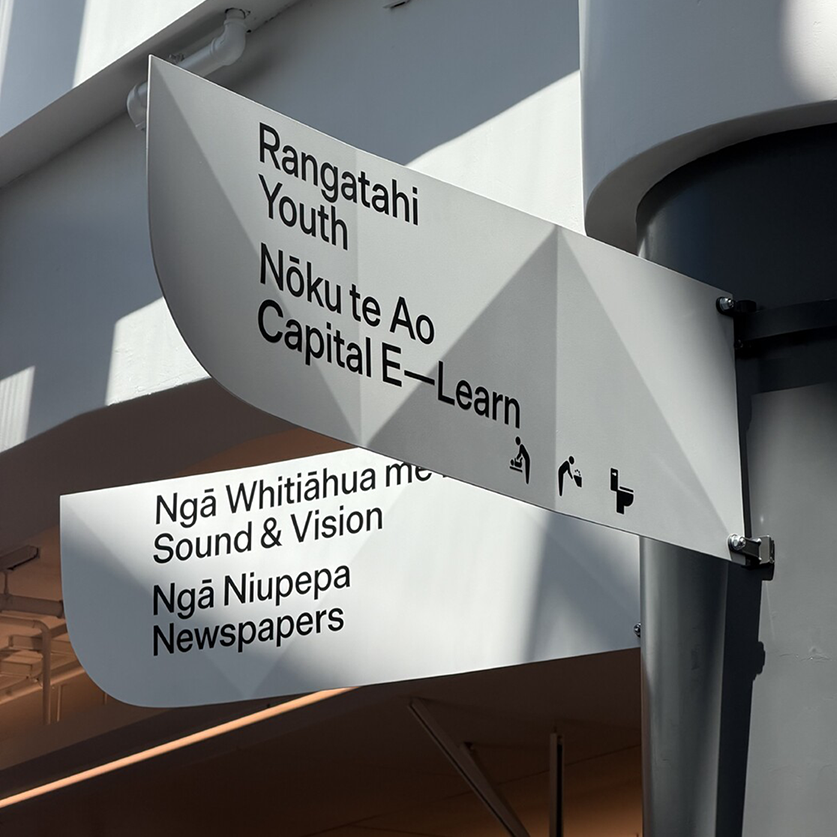
The focus of Te Wiki o te Reo Māori 2026, officially staged for 14-20 September, is Te Reo Towns. Too often we leave the time we schedule to think about and plan for these occasions too late - LAA starts early this year with a think-piece from contributor Nick Kapica.
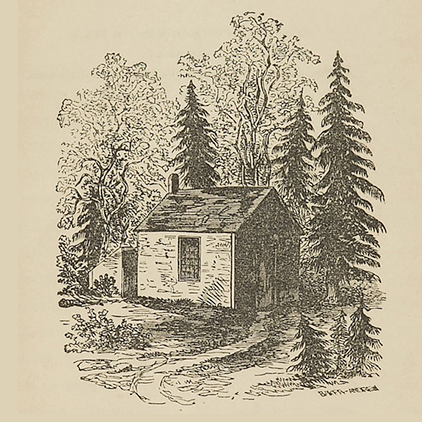
In a piece about our past, present and future, Garth Falconer ponders some potential, and potent, lessons contained in and conveyed by the life and writings of Henry David Thoreau - US essayist, poet, and philosopher.
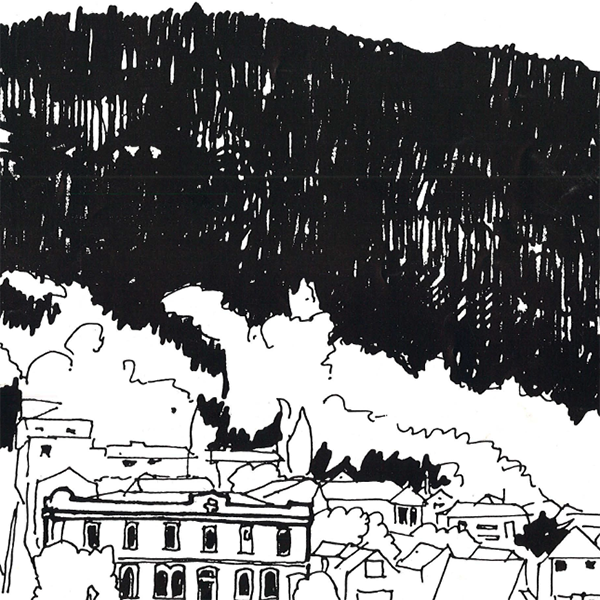
This reproduction of an article by botanist Dr Philip Simpson - from 42 years ago - presents another look back to the NZILA’s original journal, The Landscape. He advocates for planting extensive populations of trees throughout city streets, bringing urban streams back to life and ‘greening’ the surfaces of our buildings.
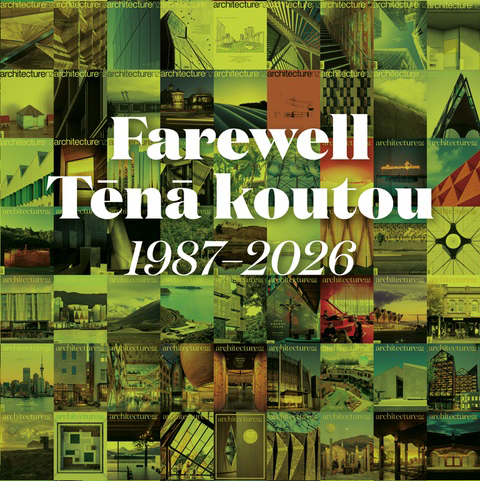
Architecture NZ has reached the end of a 40+ year run. The talented team members at AGM, their dedicated contributors and all their supporters deserve a huge collective thank you for keeping the kaupapa of architectural publicity, writing and reporting so vibrantly alive.
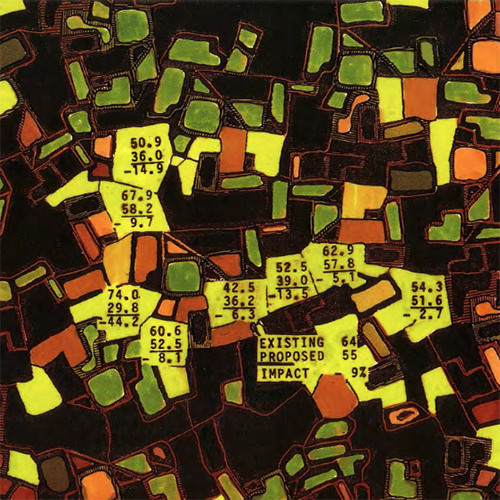
Every decade brings new technological advances that provoke changes to everyday work practices. Courtesy of looking back on the NZILA’s founding journal, The Landscape, this article fast forwards us from the 1980s to the 2020s. (The thumbnail image above is excerpted from a 1987 cover illustration by Tony Jackman).

With the progress of RMA replacement legislation fast approaching the end of its Select Committee stage, Matthew Prasad of Harrison Grierson offers a timely independent thinkpiece on the shift to regional spatial plans, and away from 'masterplans'.
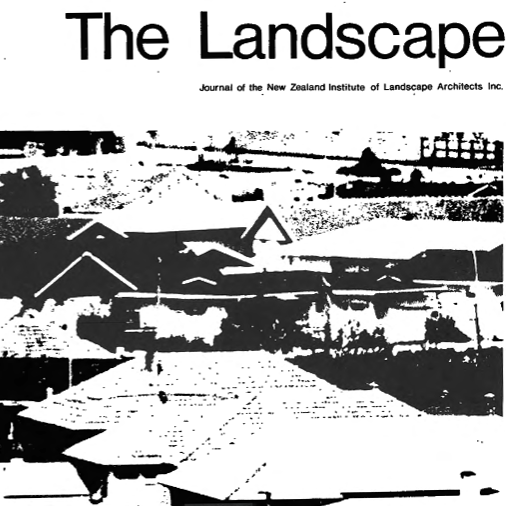
The Landscape, the first NZILA journal, ran for 54 issues - commencing in September 1976 and ending with its Winter 1994 edition. This month we start a ‘Looking Back’ series, as an opportunity to highlight past articles, themes, topics and issues.

Peter Sergel held the pencil on development of the globally recognised work done at the Hamilton Gardens across four decades. Now a movie titled The Time Traveller’s Guide to Hamilton Gardens has faithfully documented the evolution of this ‘museum of humanity’.
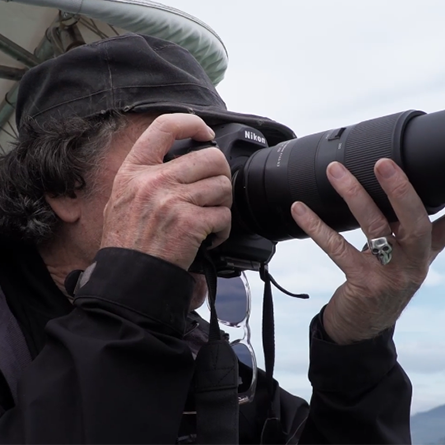
The matching of Peter Sergel, creator of the Hamilton Gardens, and photographer Grant Sheehan has resulted in a not-to-miss film soon showing as part of the Resene Architecture & Design Film Festival: The Time-Traveller’s Guide to Hamilton Gardens
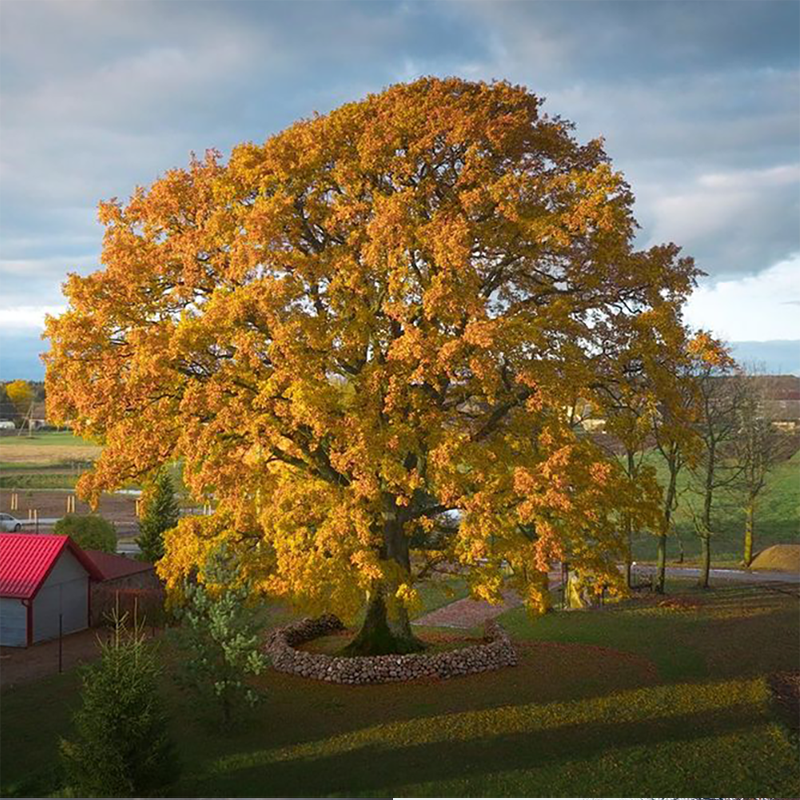
Trees from 12 nations competed as finalists for the title of 2026 European Tree of the Year, with a tree that has witnessed centuries of autumn colours emerging as the winner and as the subject of an emotive video.
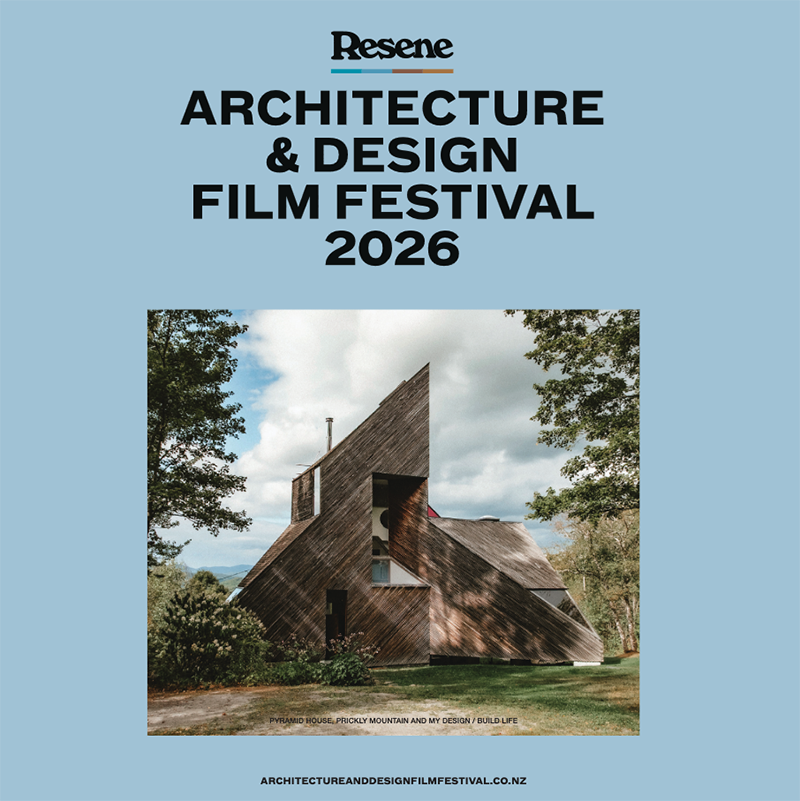
Cinema-goers and popcorn-lovers have a treat to look forward to from later this month, with the nationwide roll-out of the 15th Resene Architecture and Design Film Festival - which coincides with Resene’s 80th birthday.

Wellington-based writer and editor Susette Goldsmith has produced two companion works that ask important questions about the adequacy of our defence of trees: Tree Sense and Capital Trees.
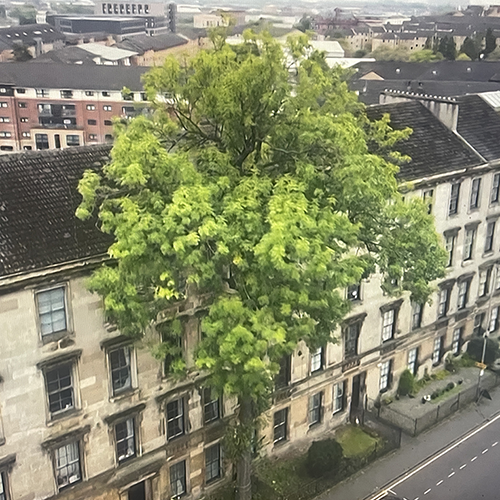
Is going from UK Tree of the year in 2025 to European Tree of the year 2026 going out on a limb? LAA was very taken with this small story of a very tall tree, located in a busy urban street in Glasgow, Scotland.
Lincoln University academics Marcus Robinson, Professor Jacky Bowring and Dr Shannon Davis, along with Dr Sarah Edwards from the Bioeconomy Science Institute, have been researching spatial opportunities for balancing urban growth, food production and ecology.
This essay from postgraduate student Ananda Acharya argues that landscape memory is stored in repeated practices and poses a question for designers: which practices do we permit to become memory, and which do we erase?