Why Landscape Still Matters Under The Planning And Natural Environment Bills
Contributed by Shannon Bray of the NZILA Environmental Legislation Working Group
The Government’s Planning and Natural Environment Bills promise faster, simpler resource consents. But one of its most significant changes is to strip the majority of landscape and visual effects considerations from resource consent decisions. That’s not streamlining — it’s disconnecting something fundamental to our sense of place.
Landscape is not a bureaucratic hurdle; it’s the backdrop to our lives and New Zealand’s identity.
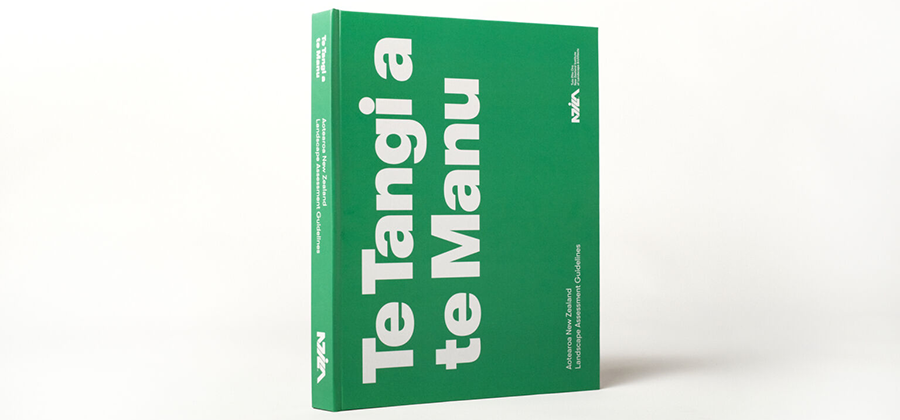
Te Tangi a te Manu: Aotearoa New Zealand Landscape Assessment Guidelines defines landscape as more than scenery—it’s about the deep relationship between people and the environment. Development inevitably creates effects on that relationship. Ignoring them doesn’t make those effects vanish; rather it shifts the consequences into other community actions and leads to the degradation of community wellbeing.
The proposed legislation now before Parliament reframes the system by splitting the old Resource Management Act into two tracks: the Planning Bill for land use and development, and the Natural Environment Bill for environmental limits. In doing so, it narrows what councils can consider. Everyday landscapes—streetscapes, neighbourhood character, local views—are largely out of scope. Clause 14 explicitly excludes most amenity and visual effects from consent decisions. This is a profound shift.
System reform has wide support. The Government wants efficiency. But, in my opinion, we don’t need to erase the consideration of landscape value to gain such efficiency. Fast-track processes have shown that projects can move quickly while still integrating with their surroundings, and many in our profession will have worked on projects that are well planned and, as such, easily consented. The real issue is the system: risk-averse processes and inconsistent standards. Fix those, don’t abandon landscape.
When landscape is ignored, the results are stark
When landscape is ignored, the results are stark: pylons slicing through iconic views, bulky facades overshadowing parks and beaches, and industrial sites crowding homes. When considered early, simple design choices—like screening substations with planting or shaping high-rises to fit local character—deliver practical, affordable outcomes that protect identity and community wellbeing. Even small actions matter: painting a prominently located house in a darker hue costs no more than any other paint job, yet it can dramatically help that home blend into the wider outlook experienced by others.
You could argue that it’s not necessary to legislate for such outcomes, that because landscape is so fundamental to everyone, such consideration will be driven by market forces. However, in my opinion, while this is true to an extent – our larger national brands often have social and environmental policies that seek outcomes greater than typical environmental bottom-lines. The significant change promised by the promoted legislation won’t deliver optimal long-term value in our built environment without scrupulous and appropriate attention to detail. It risks projects being built that undermine the years of work taken to identify, characterise and protect areas which communities love and connect with.
The quality of our local and national landscapes matter—to communities, to culture, to tourism, to identity. The Planning Bill and the Natural Environment Bill need a balanced approach, not blunt force.
Where to look in the Planning Bill:
Clause 14 – Effects outside scope: removes most landscape and amenity considerations.
Clause 11 – Goals: note what is protected (ONLs, heritage) and what is missing (everyday character).
Part 4 – Consenting: fewer notification pathways and higher thresholds limit community input.
how Can improvements Be made?
Encourage the focus on system change rather than removing consideration of effects that matter to people.
Reinstate consideration of landscape effects for everyday places, not just ONLs.
Embed outcome-focused assessment: encourage decision makers to weigh landscape alongside housing and infrastructure goals (like the Fast-track Approvals Act).
Use time constraints to ensure landscape considerations don’t drag out consent timeframes.
Spatial planning.
How can you help?
The best way to help is to get informed and then get involved. If you are an NZILA member, please join our national hui on 20th January 2026. But everyone should read and understand these proposals – they are not difficult to understand, and submitting is even easier – just follow the steps on Parliament’s website:
Closing date for submissions is 4:30pm Friday 13th February 2026.