Rangiriri: A site of immense cultural and historical significance
Contributed by Alan Titchener (Ngāi Tahu)
Tūranga Pūmau | Life Member, Tuia Pito Ora New Zealand Institute of Landscape Architects
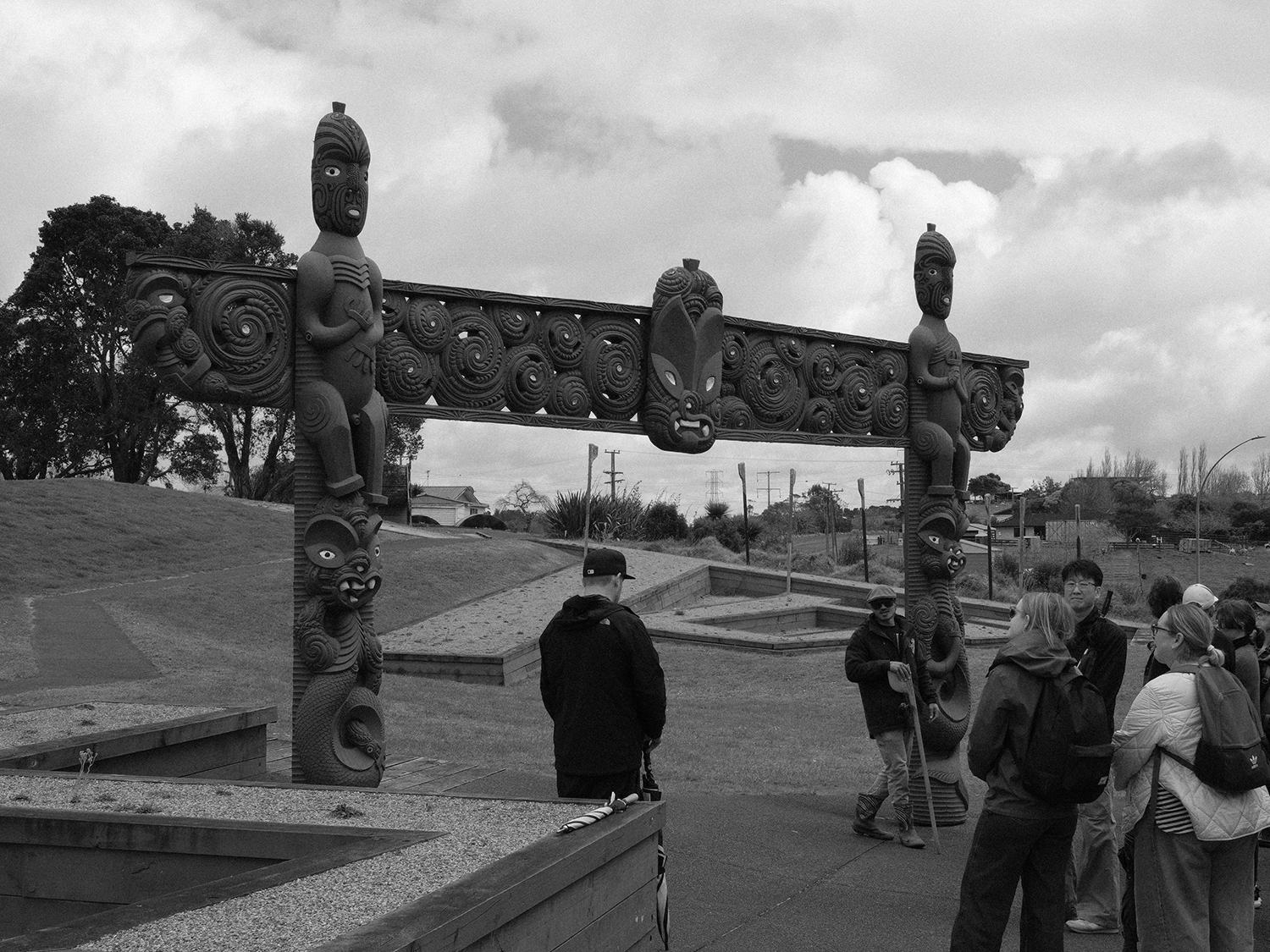
Photo credit: Sam Bourne
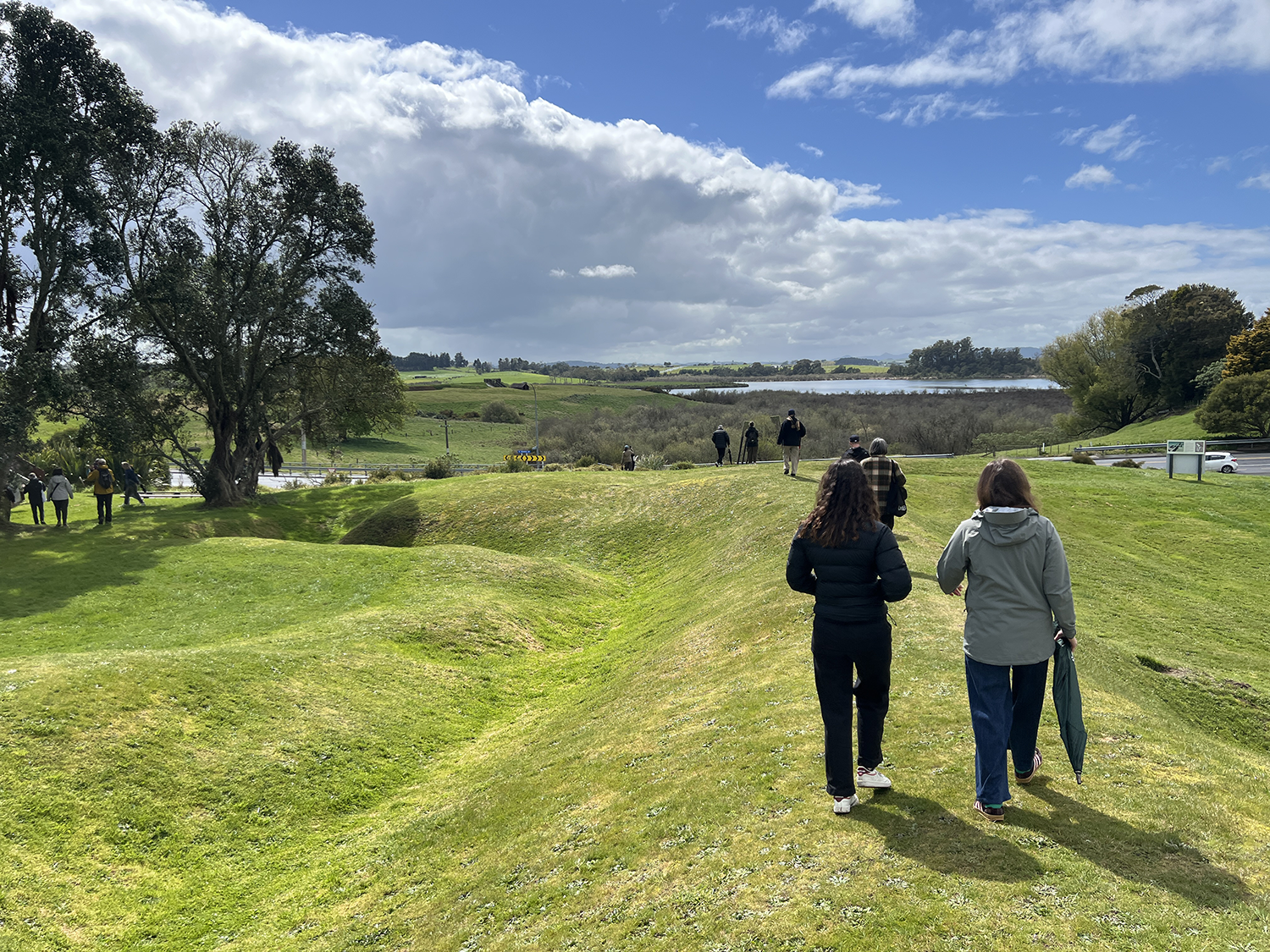
I went on a hikoi the other day, to Rangiriri - site in November 1863, of one of the most significant battles of the New Zealand Land Wars, during the Crown invasion of the Waikato.
Our visit was jointly organised by the Tāmaki (Auckland) and Central North Island Branches of Tuia Pito Ora, in association with Ngāti Naho, the primary mana whenua for the site.
Ngāti Naho operates Rangiriri Paa Tours, who provide cultural education tours of the site. Our guides for the day were Hamiora de Thierry and Marleina Leota who have whakapapa connections to the place and the events that unfolded there 163 years ago.
After welcoming us warmly to Rangiriri, Hamiora provided some background to the historical and geographical context that led to the construction of the defensive entrenchments of the stronghold.
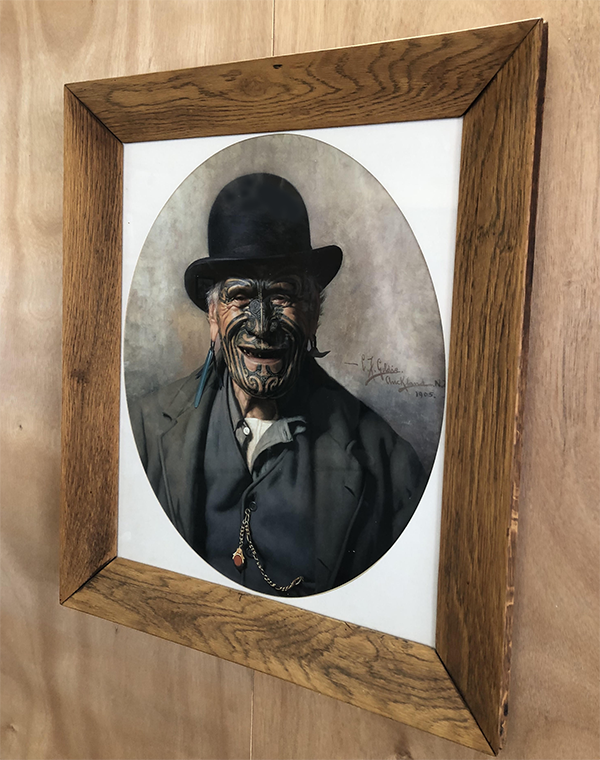
Photo: Alan Titchener
The mastermind behind the design and construction of the entrenchments was a man named Wharepu, whose portrait hangs in the wharekai of the visitor centre (as seen here). Wharepu had earlier been involved in the construction of defensive entrenchments at Ruapekapeka, site of a key engagement in the Northern War in the 1840s.
Wharepu further refined the design for the Rangiriri by adding a means of escape to the primary defensive function of the earthworks. The entrenchments stretched for about a kilometre between the Waikato River and Lake Kopuuera, the location being carefully chosen to afford a means of escape, should one be required, to waka standing by on the lake.
Hamiora recounted how, during the course of the battle riflemen of the invading force slaughtered more than a hundred women and children as they attempted to flee to the safety of the lake and the waiting waka. From our position on an elevated area to the south of the site, we were able to look across to the actual location where this gruesome atrocity this took place.
The full story about the circumstances that led to the construction of the stronghold at Rangiriri, and the events that occurred in the ensuing battle are best left for mana whenua to tell. Suffice it to say, it’s an eye-opening and sobering account to listen to.
To prepare us for the actual inspection of the site, Hamiora invited our group to partake in a make-believe rifleman’s firearms drill using replica rifles and pretend powder, shot, priming rod and sound effects.
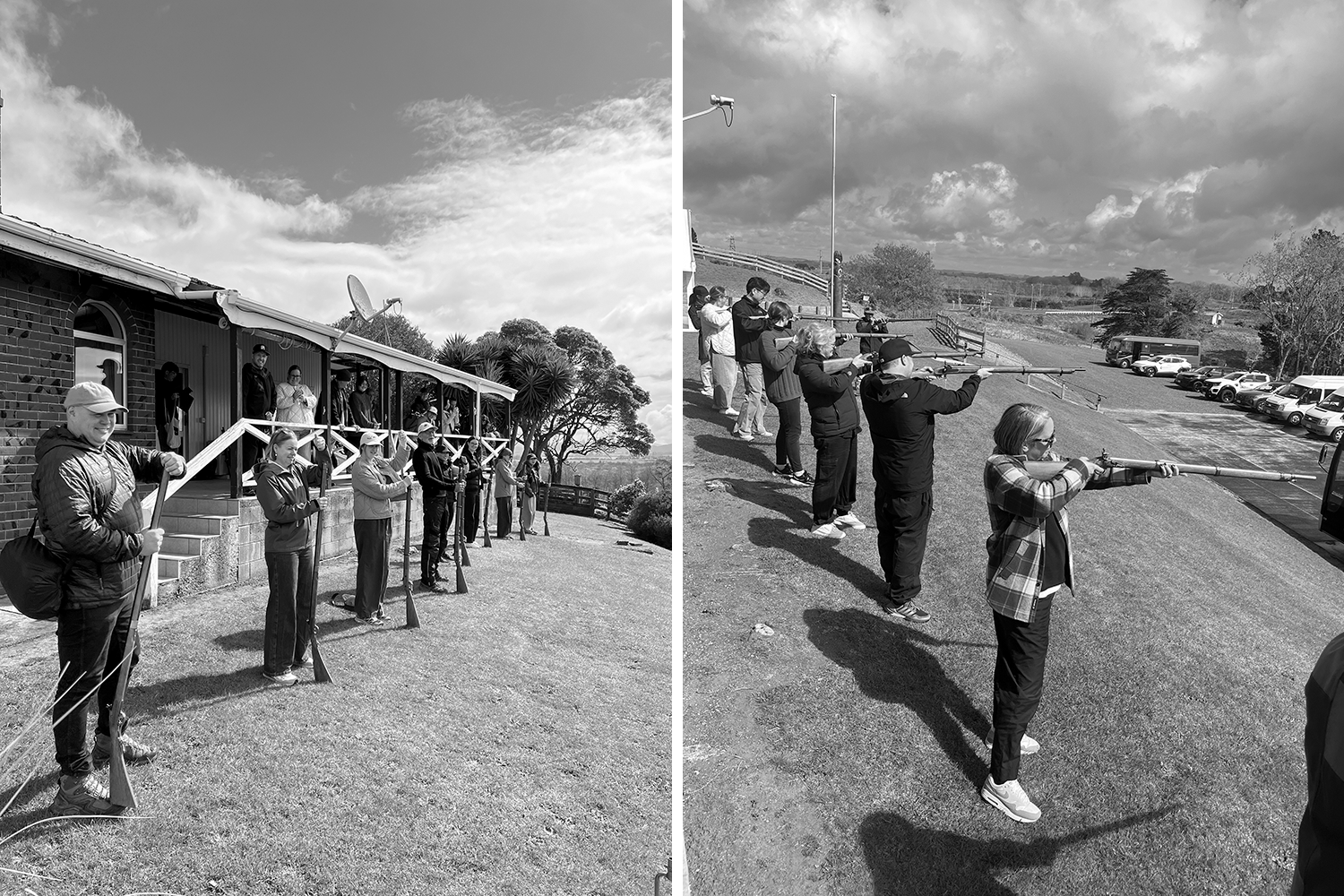
Photos from Ethan Reid
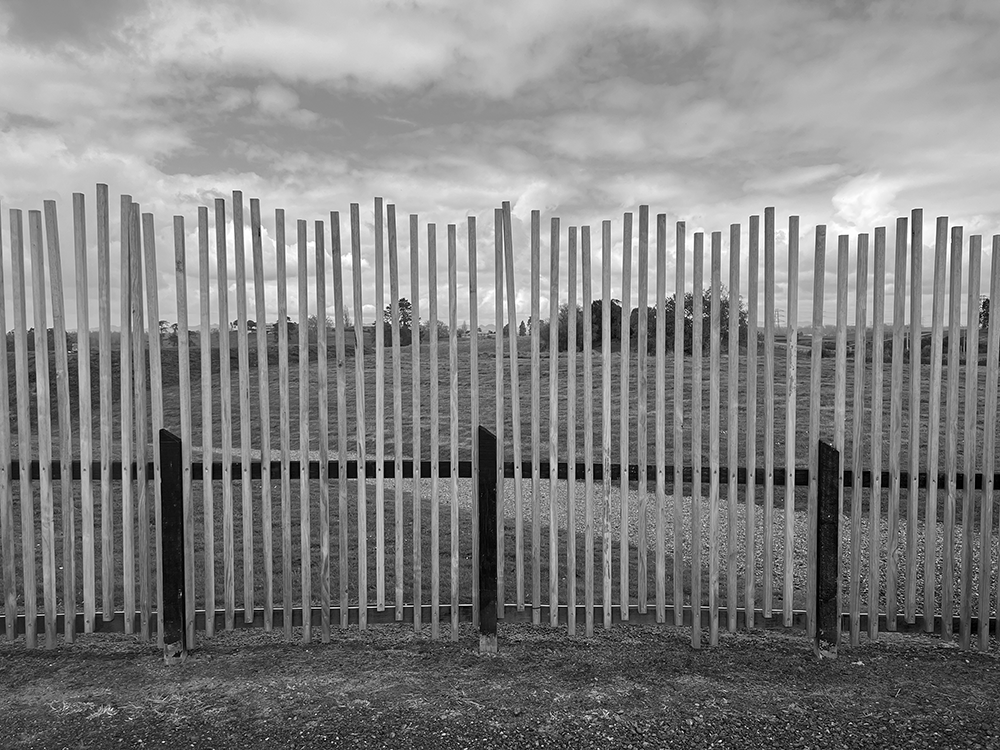
We then bussed across to the part of the site overlooking the river which included some of the original earthworks, plus some scaled down interpretive elements intended to symbolically represent the design of the entrenchment.
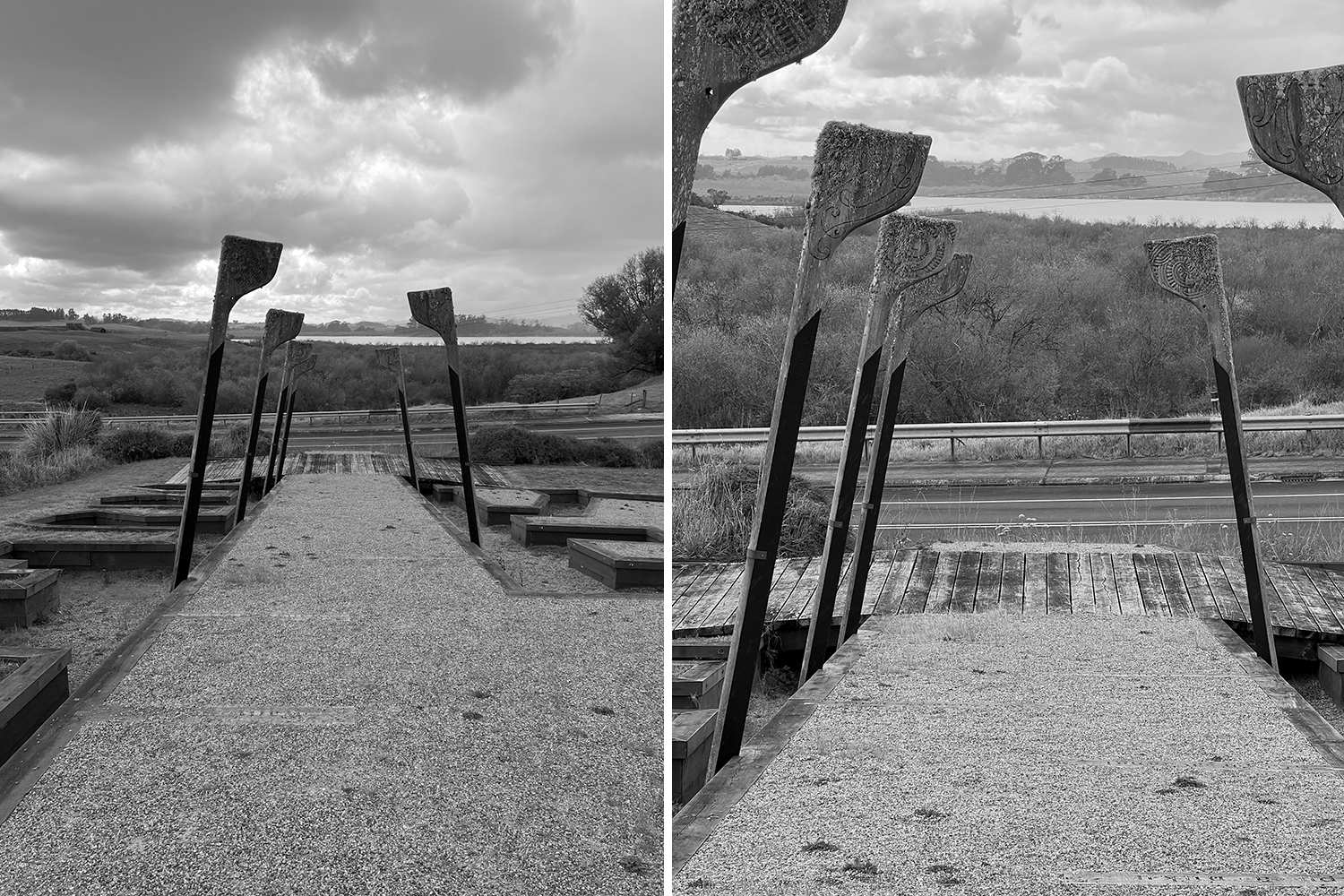
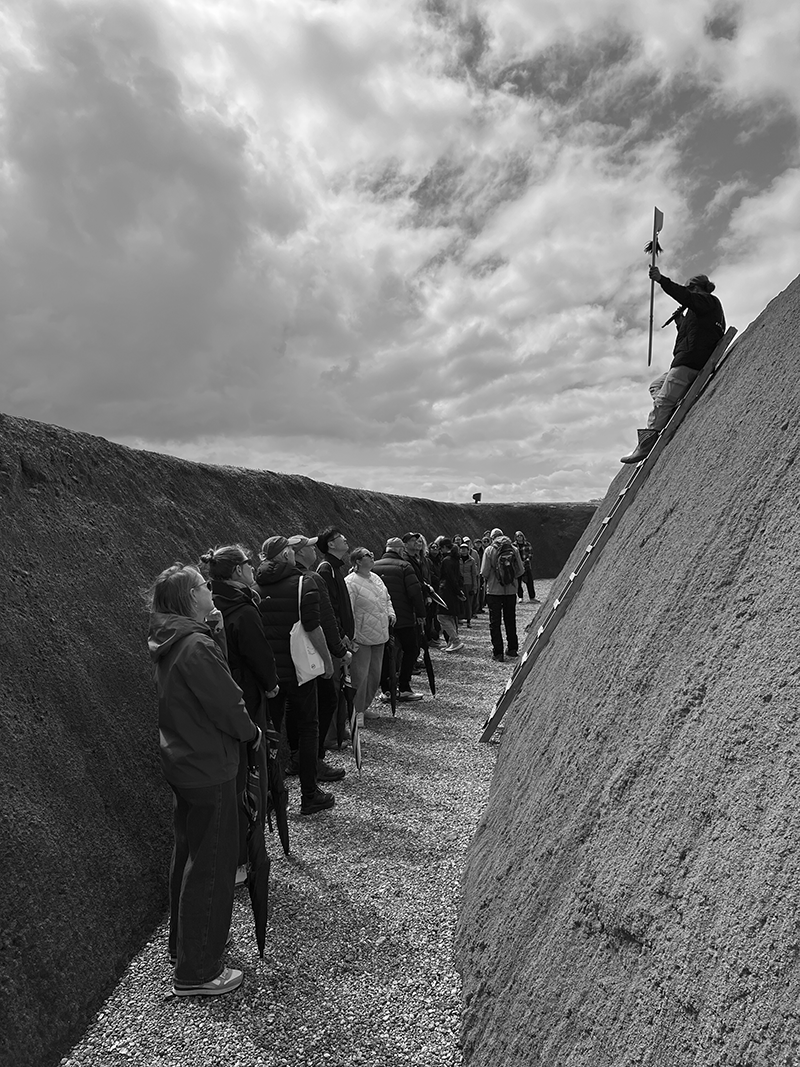
Carved tewhatewha, the weapon of choice for the defenders, were positioned to demonstrate the actual scale of the earthworks, which posed an unexpectedly difficult hurdle for the attacking forces to surmount. The Crown forces were astonished at the level of sophistication of the entrenchment design.
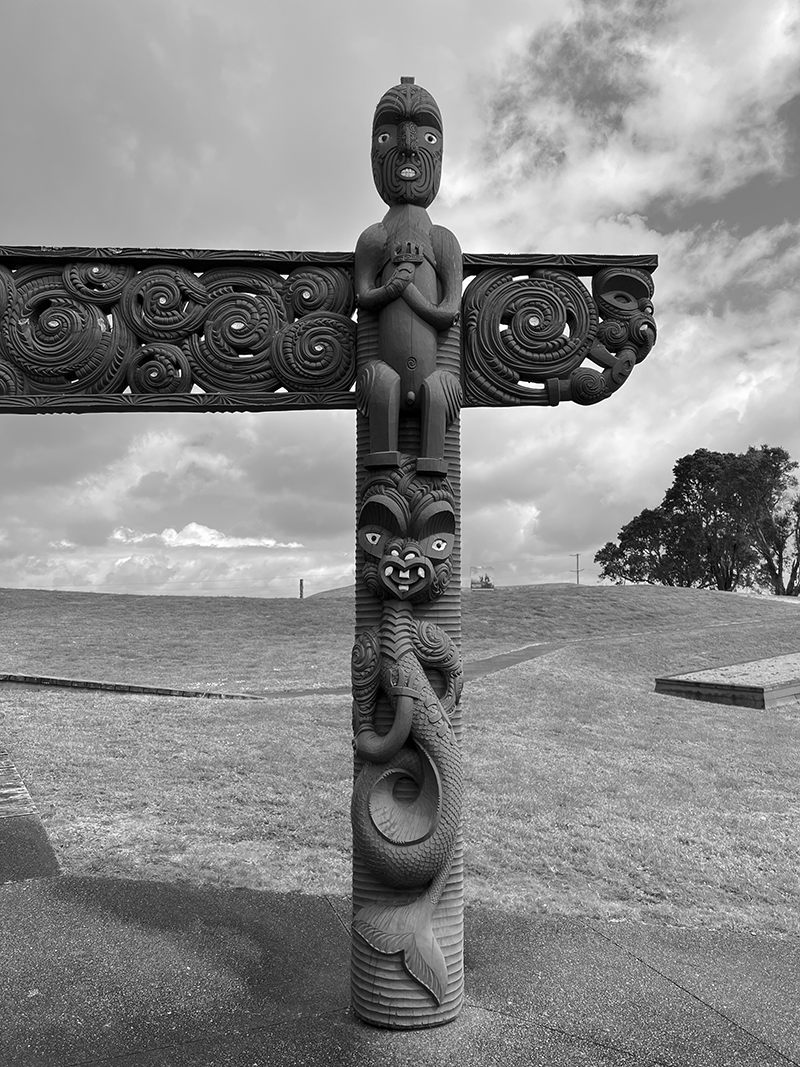
Hamiora explained the significance of the various carved features positioned to create entranceways, and guide movement through the site. Carved pouwhenua depicting key personnel involved in construction of the stronghold, the battle itself, and the aftermath were identified and explained, as well as the design and purpose of wetland areas which provided an additional barrier to attack from the river side of the defensive works.
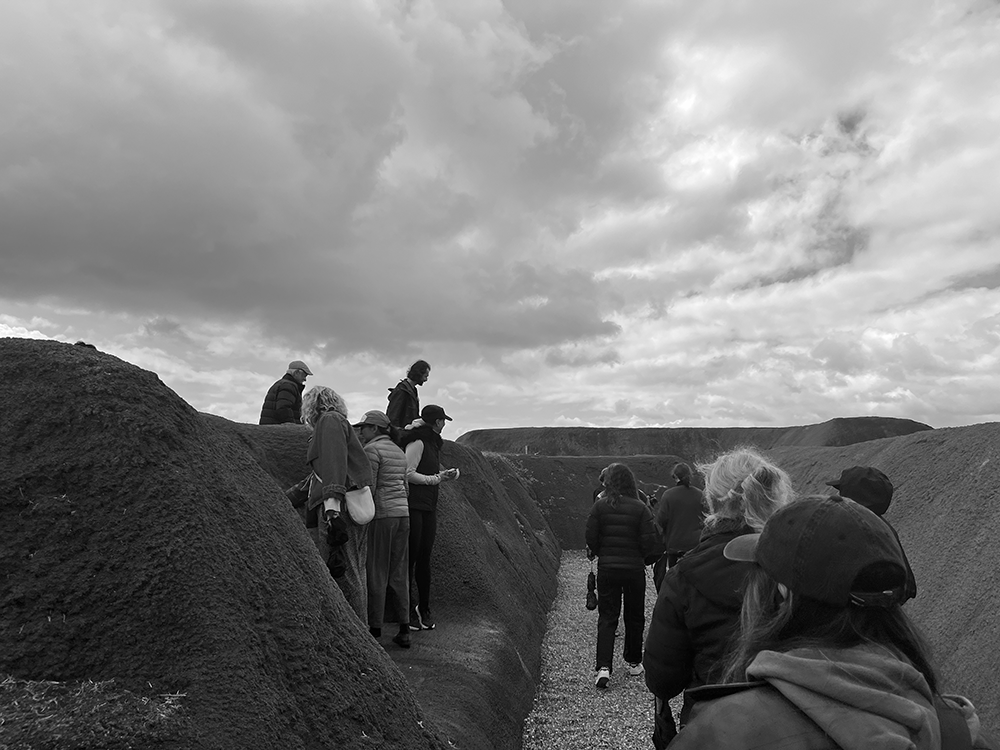
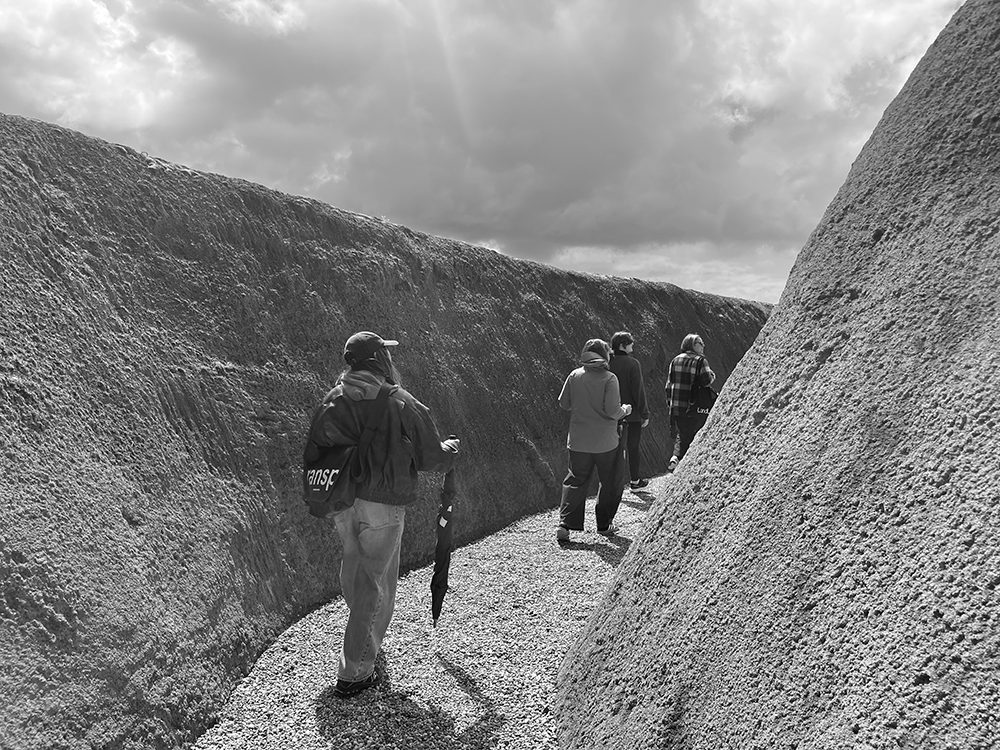
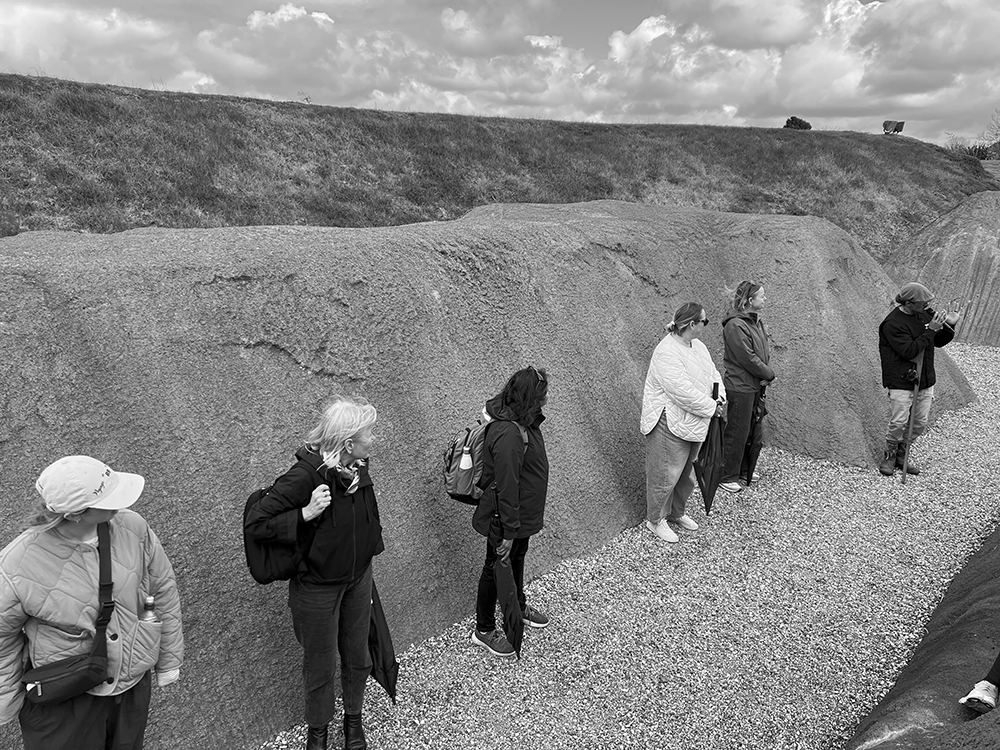
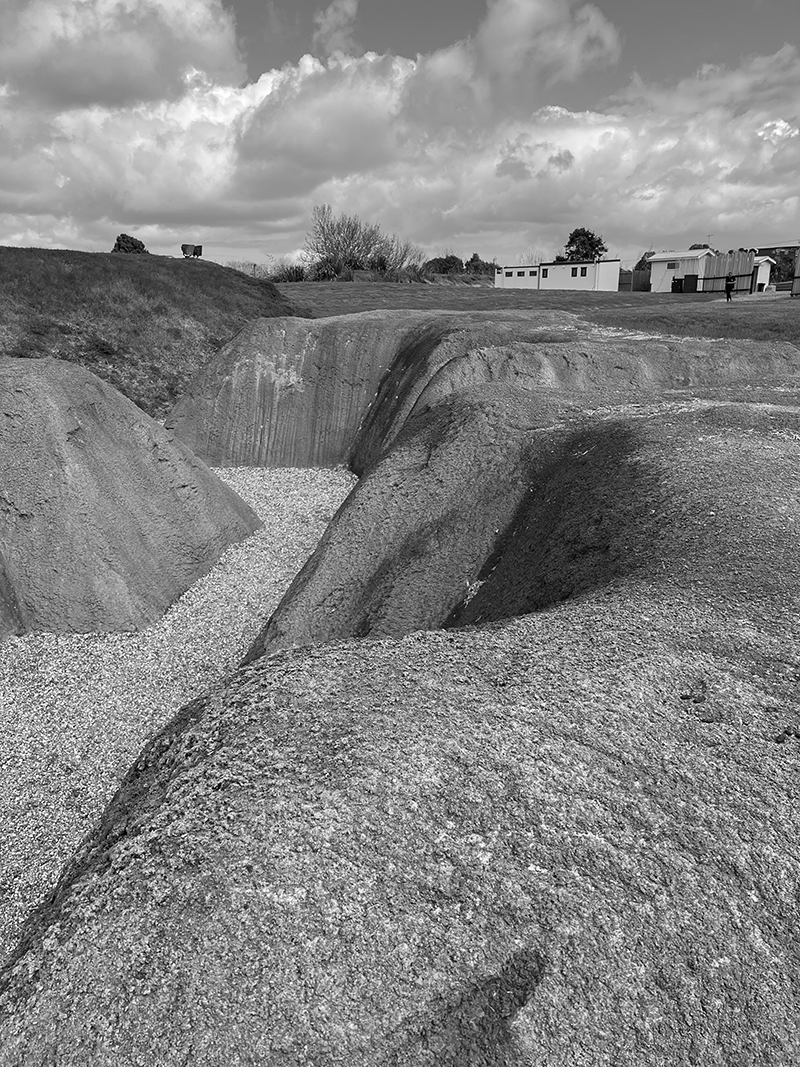
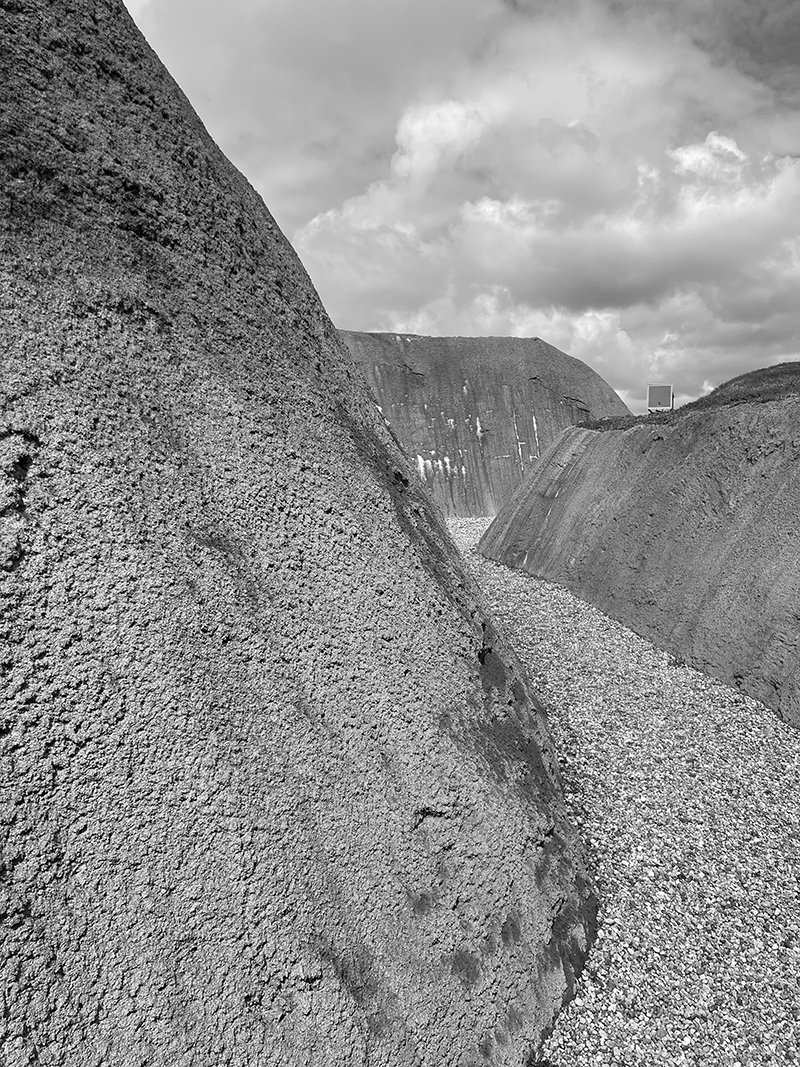
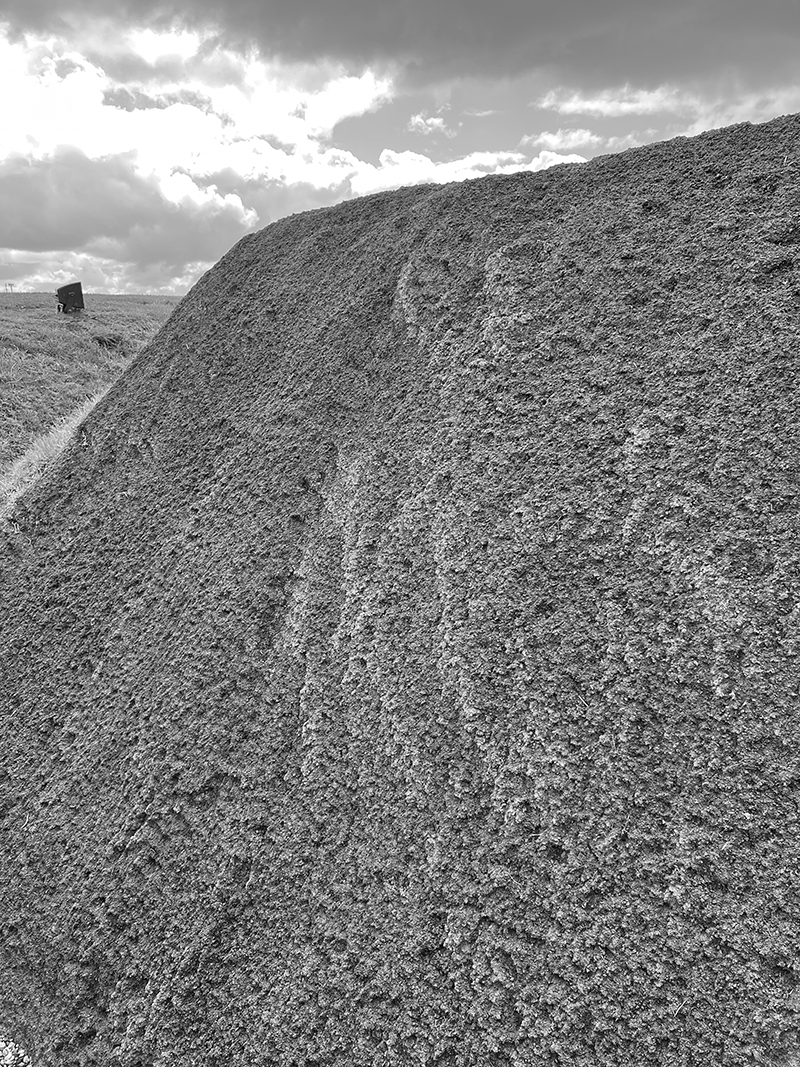
We then went across to the third and last area, where more recently, a to-scale representation of the stronghold has been created, further illustrating the nature and extent of the earthworks. We discovered first-hand just how ingenious and daunting the combination of trenches and battering would have been.
For me, the most poignant part of our visit was when our guide invited us to file silently through these imposing trenches whilst reflecting on the actions and consequences of the events of 163 years ago.
As we emerged in single file from the trench we were treated to a spirited and defiant haka performed by tamariki from the nearby kura. They were stripped to the waist, impervious to the chill of the fickle spring weather. I found their performance profoundly moving.
It is said that in warfare the victor gets to write the story. As we know, the battle of Rangiriri ended with the surrender, in somewhat controversial circumstances, by the defenders.
But if that haka performed by those tamariki is anything to go on, what came through loud and clear to me was that they are still there, and they aren’t going anywhere, anytime soon. It was a day to remember, embracing as it did aspects of hikoi, whakapapa and kōrero tuku iho on a site of immense cultural and historical significance.
I’m grateful to those responsible from the Tāmaki and Central North Island Branches of Tuia Pito Ora for arranging the visit, and to Hamiora and Marleina for their manaaki to us on the day.
A special acknowledgement also to Sam Bourne, who, in collaboration with Waikato-Tainui advisers, heritage specialists and artists, acted as the project Landscape Architect for much of the commemorative landscape works, and who, on the day of our visit, correctly deferred to mana whenua to tell their story about their place.
___________
See also:
Rangiriri on Te Papa Tū Whirinaki - The Landscape Foundation
Rangiriri Pā Rehabilitation - Boffa Miskell
MBIE - Kānoa – Rebuilding Rangiriri Trenches - Stand strong in adversity
RNZ - NZ Wars: Stories of Tainui | Extended Interview - Brad Totorewa
Indigenous Urbanism podcast - Rangiriri Pā (on Spotify)