The Firth NZILA Wānanga 2026: An awakening and an afterglow
highlights from the Firth NZILA Wānanga 2026 | part 1 - a descriptive summary
Before the Firth NZILA Wānanga 2026 (5-6 November) had even begun, there was a sense of a rising tide with the prior week’s news that Diane (Di) Menzies had been honoured with the Sir Geoffrey Jellicoe Award at the Global Congress of the International Federation of Landscape Architects (IFLA) in Hong Kong.
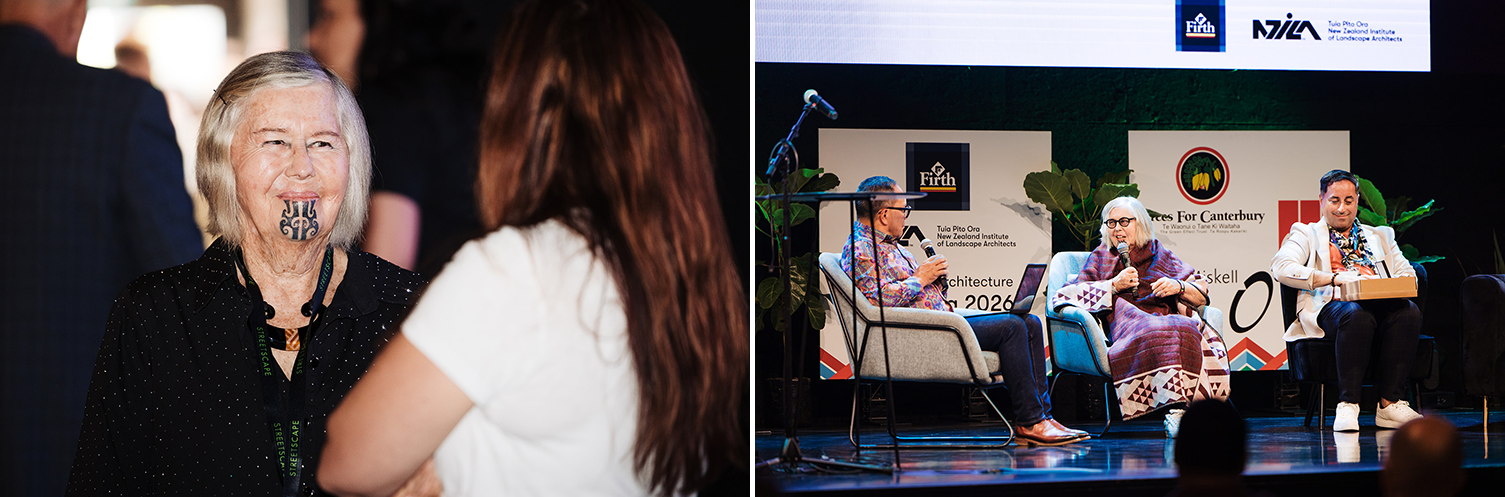
Remarkably, just a matter of days after IFLA’s highest honour was bestowed in Hong Kong, Di was an active presence at the Wānanga for all of its related elements in Ōtautahi - from the Student event at Lincoln University on 4 November through to greeting international guest Alison Page and taking part in the Field Trips of 5 November, and being, in her humble manner, front and centre on 6 November when the entire gathering opened with an hour-long celebratory recognition of her lifetime of leadership.
People close to Di who could be present in person to help her mark this special occasion were immediate past-President of IFLA, Bruno Marques (an Associate Dean by day at Te Herenga Waka Victoria University), her brother Richard, her son Oliver from Auckland, all those present in the room from Te Tau-a-Nuku and Ngā Aho and many more.
Later that day it was special to see Tahu News arrive at the Firth NZILA Wānanga to film an interview with Di at the event venue, Majestic on Durham, for broadcast that day and then onto the nationwide channel of Te Ao Māori News.
News of Di receiving the Jellicoe Award has made a splash in the media, here and internationally and its significance will undoubtedly continue to spread around the motu and the world.
Two powerhouse keynote speakers: Alison Page and Hirini Matunga
Alison Page's powerful international keynote on ‘Designing with Country - Awakening with Dreaming’ made an immediate, and most likely, enduring impact for the audience at the Firth NZILA Wānanga 2026.
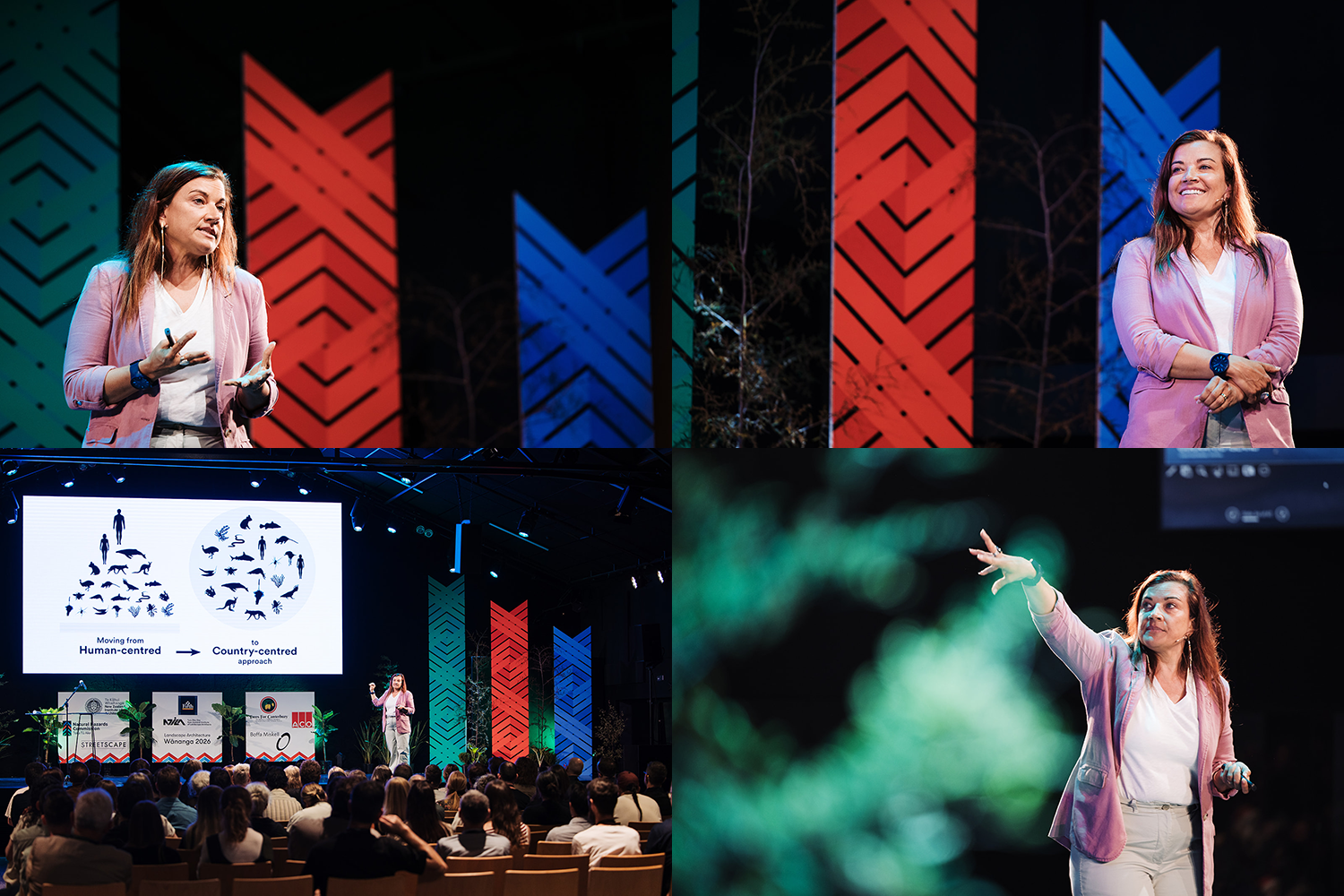
Alison, Dharawal and Yuin designer and artist, called on the audience to see design as a powerful act of listening: to Country, to Ancestors, and to the knowledge embedded in place. Fascinating parallels to indigenous cultural touchstones of both Australia and Aotearoa emerged, along with creative launchpads and touchpoints.
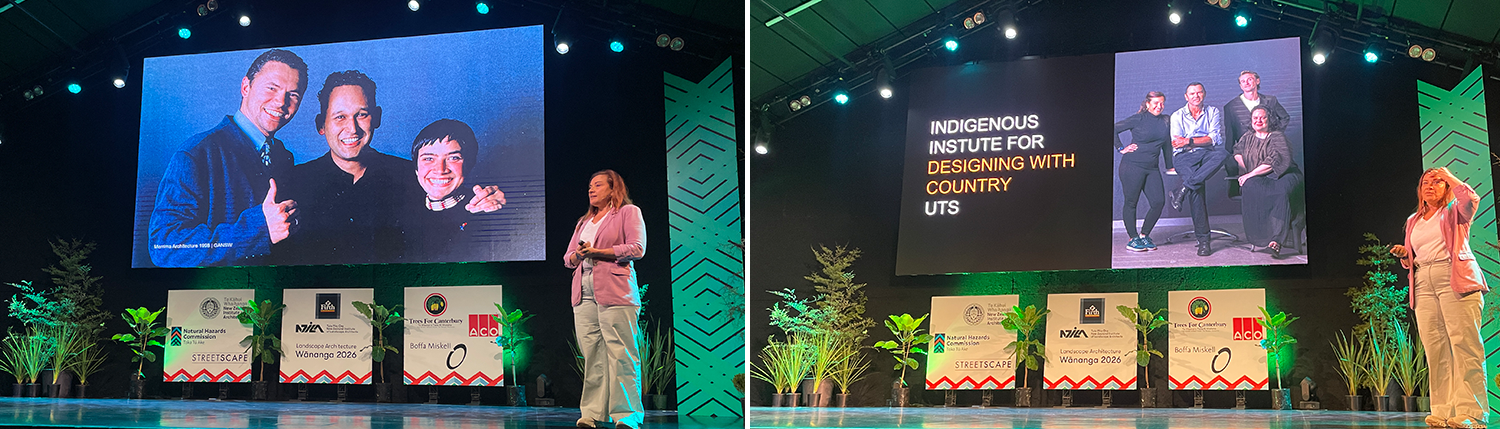
There was a lot to take away from Alison’s stories, including her own story and its most recent iteration, namely this year’s establishment of the Indigenous Institute for Designing with Country at UTS in Sydney.
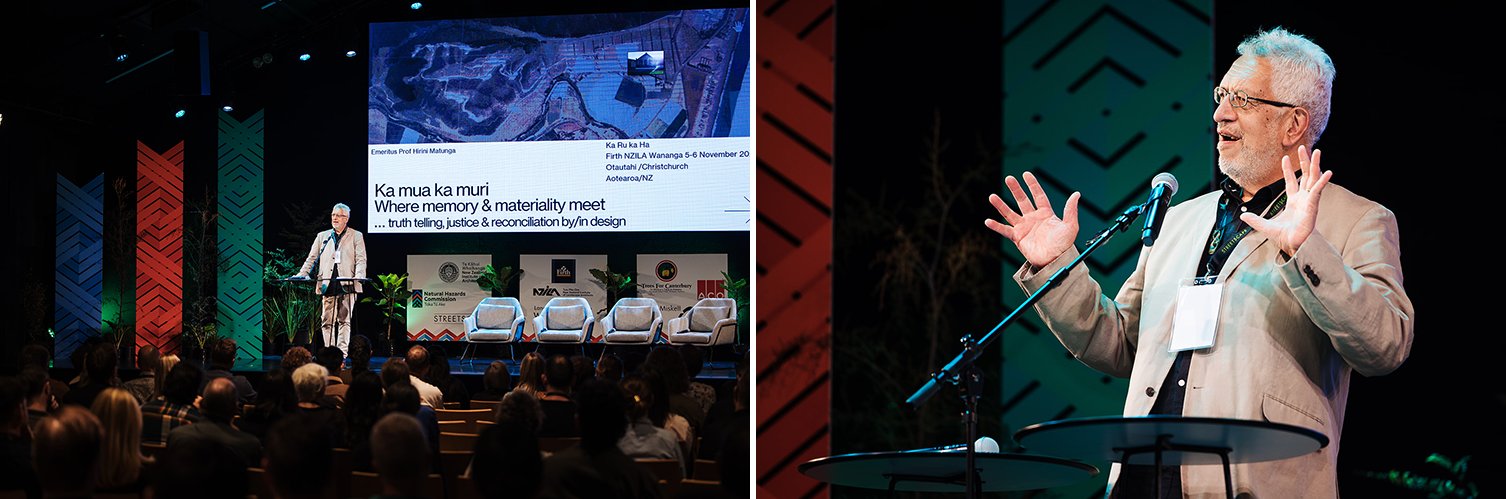
Emeritus Professor Hirini Matunga’s complementary keynote carried equal weight and food for thought.
Alison talked of the matriation of land, and Hirini set out a methodical step-by-step approach to “a kind of reclamation and decolonising of space across the planning and design disciplines”.
Editor’s note: LAA looks forward to expanding on the fulsome and generous insights provided to landscape architects by both Alison and Hirini in the near future. Watch this site.
Insights that keep on giving
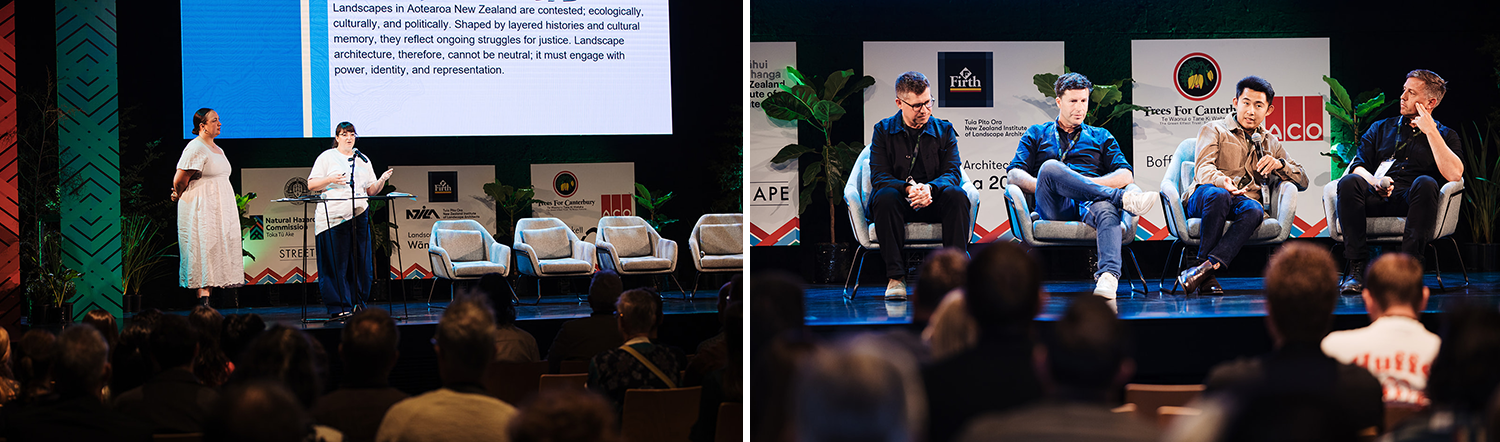
Heading towards midday on day one of the Firth NZILA Wānanga, Sibyl Bloomfield, of AUT's School of Future Environments, was joined by Mapihi Martin-Paul (Boffa Miskell) to run a fun interactive plenary session titled 'What does an Aotearoa practice look like?' This synched into Sybil's PhD studies as part of an investigation into what constitutes a ‘just’, regenerative, and values-based landscape architecture practice in Aotearoa New Zealand. Sibyl's sharply focused studies are shaping up as an influential input to future thinking.
The last on-stage session of the day consisted of four provocateurs talking about the why's and wherefores of broadening how landscape architects practise: Hugh Smith (Kāinga Ora), Joshua Joe (Isthmus), Dave Little (Christchurch City Council) and Zach Barker (Isthmus). The respective topics and titles of their talks were:
Community regeneration through whenua (Hugh)
Through the noise - rising to the challenge with people, digital tools and design advocacy (Joshua)
Clients are warmer to innovation than we give them credit for (Dave)
Significant figures - adventures in accounting and accountability of landscape emissions (Zach)
A Friday of continued provocation and energy
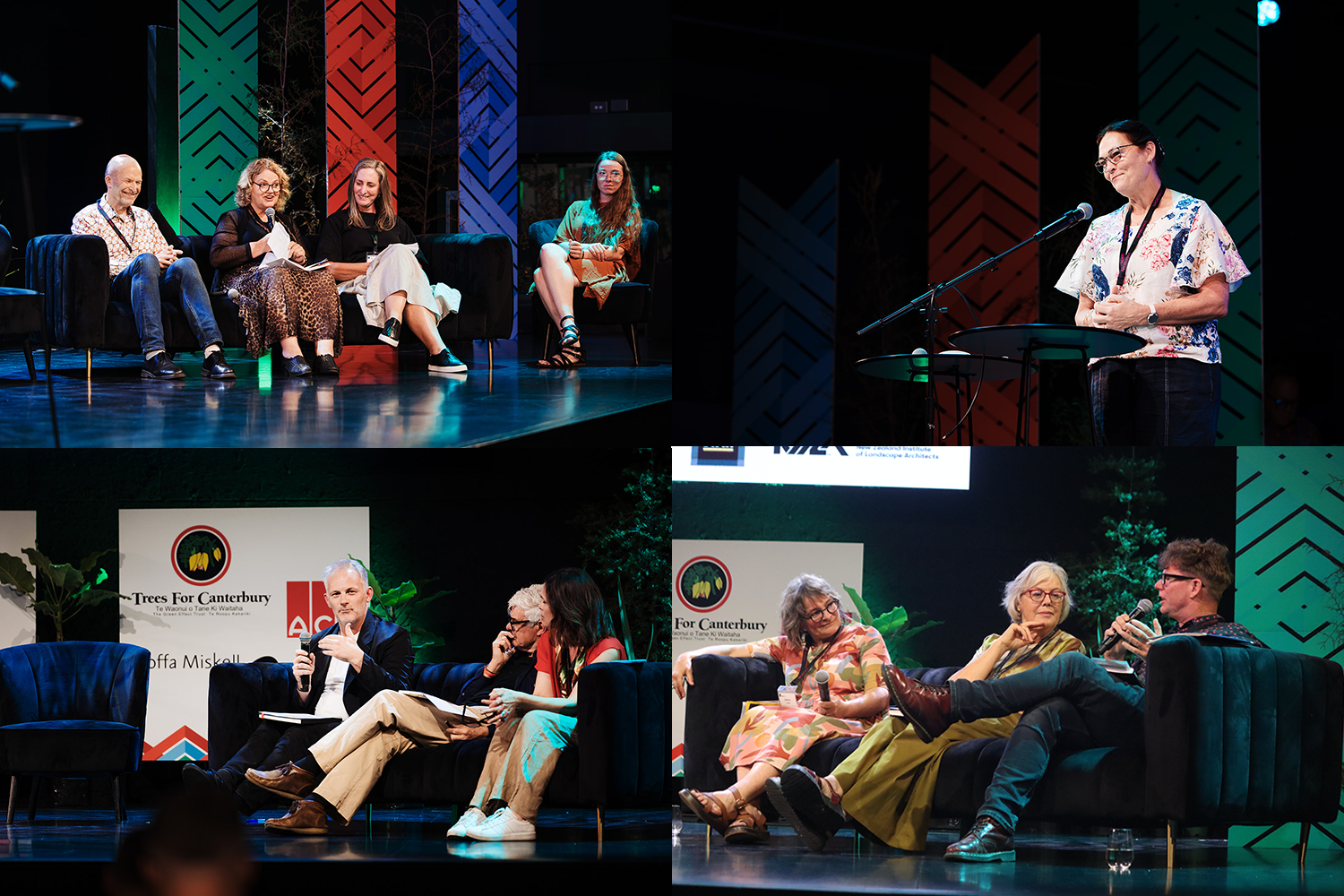
Special plenary offerings on Friday 6 November spanned a panel discussion about the preceding day's Field Trips (Learning from a city in change), a plenary on designing for a decarbonised future ably facilitated by Firth's architectural consultant Bernice Cumming, and a popular conversation between Dr Jessica Halliday (Te Pūtahi Centre for Architecture and City Making), Professor Bronywn Hayward (University of Canterbury) and Dr Antony Shadbolt (Christchurch City Council) on the topic of exploring contemporary possibilities for the voices of landscape architects to be heard more loudly and clearly, above and beyond professional boundaries. (Starting with vote casting before the Election closed that very weekend, urged Professor Hayward!)
This rich mix of provocative perspectives was then enriched further with a set of four breakouts, leading into a closing plenary 'where to from here' reflection on the wānanga's invocational theme: Ka Rū Ka Hā - Awaken the energy.
The panel for the parting reflections was made up of Simon Button (wearing his hat as an NZILA Board member), Josephine Clarke (Ngā Aho co-chair) and Antony Shadbolt (Christchurch City Council), with MC and facilitator James Daniels teasing out their responses.
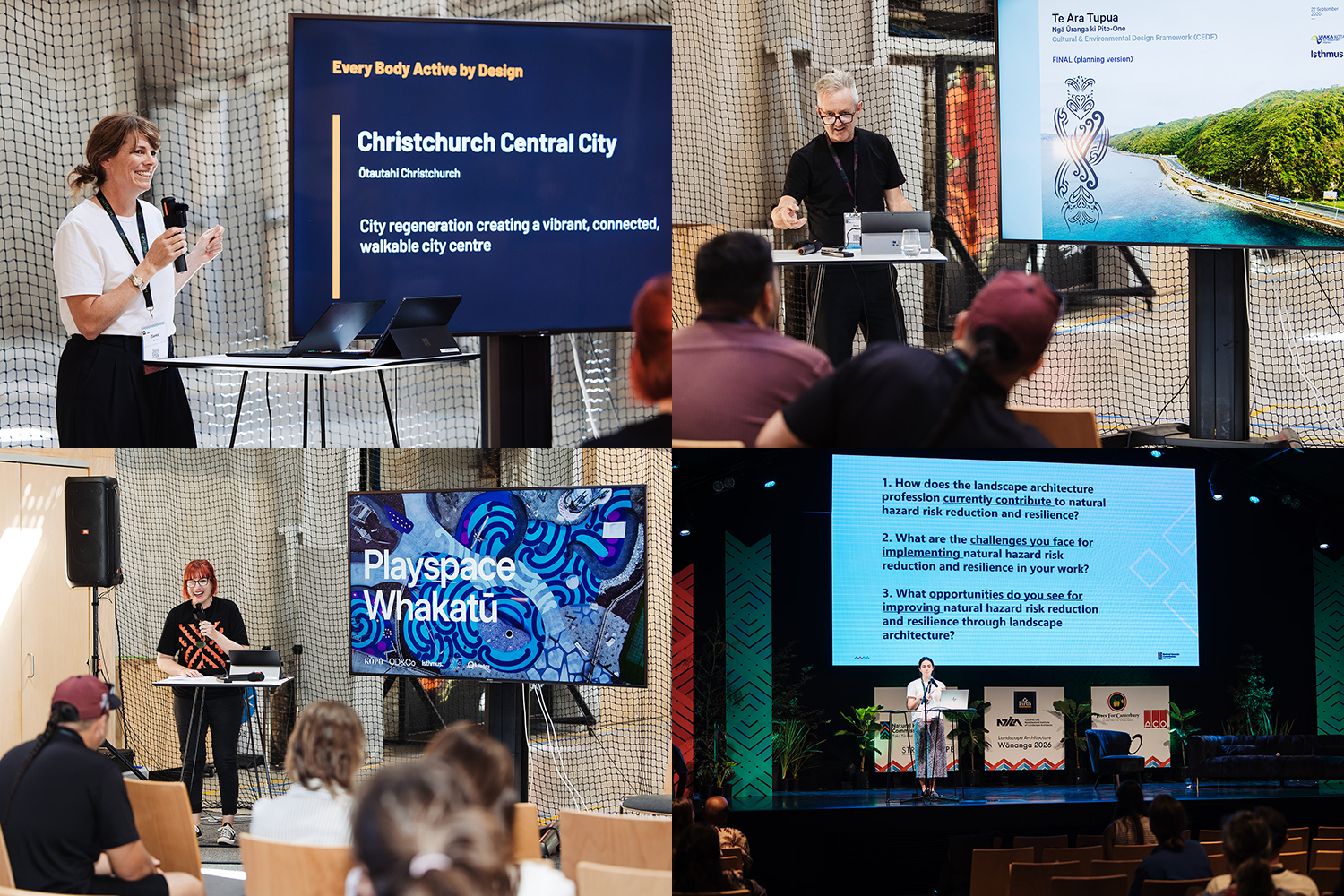
The afternoon's breakouts included:
Every Body Active By Design, facilitated by Zanta Jones of Sport New Zealand Ihi Aotearoa and NZILA President Ralph Johns
Presentations and discussion from Sean Burke and Haylea Muir (both Isthmus) talking to the topic 'When mana whenua lead; Changing how we design, collaborate and deliver'
The Natural Hazard Commission's exploration of the role of landscape architecture in reducing natural hazard risk, facilitated by two senior advisors from NHC - Livvy Harris and Ghada Elashi.
The breakout titled 'After the flood: Shaping our future with water' was kicked off by the tag-team of Unitec's Matthew Bradbury with LandLAB's Henry Crothers, followed by two speakers from Isthmus - Helen Kerr and Brad Ward.
So many notes taken! So many story sources!
Remaining names of participating panelists not already named above include: Ann-Marie Head (Abley), Anne Newman (Christchurch NZ), Brooke Takimoana (Student, Lincoln University), Chantal Lauzon (Health NZ), Courtenay Northcott (WSP), Hugh Forsyth (Site Environmental Consultants), Jacky Bowring (Lincoln University), Dr Mike Annear (Lincoln University), Nicole Thompson (Wraight + Associates), Nicole Tune (Boffa Miskell), Peter Whiting (NZILA Board), Rachael Eaton (Boffa Miskell), Suzanne Lange (NZILA Board), William Hatton (Boffa Miskell).
Another notable contributor was Andrew Norriss of Hone Studio, who assisted Tuia Pito Ora to keep wider audiences in the picture throughout the event by keeping an Instagram story reel alive and ticking over. See also Ka Rū Ka Hā: Awakening the energy in Ōtautahi
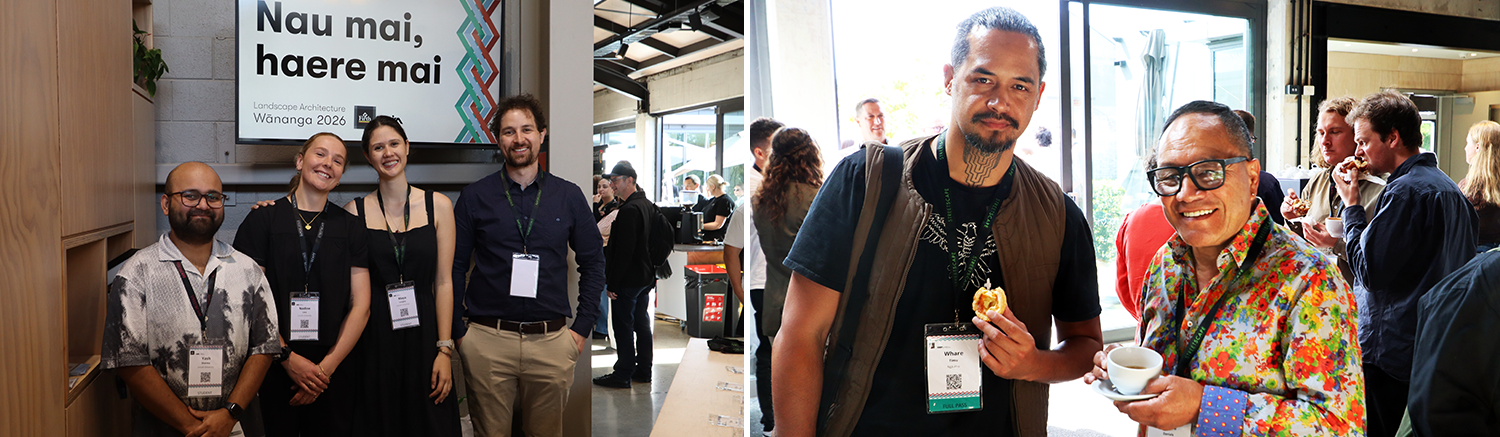
Seen above at left are Student volunteers at the Wānanga’s reception desk. Lincoln University student Yash Sharma's write up of the experience of his involvement in the wānanga from a student point of view is a highly recommended read. Pictured at right are Whare Timu, Ngā Aho co-chair, with the event's caring and ever-humorous MC, James Daniels.
… but wait there was more!
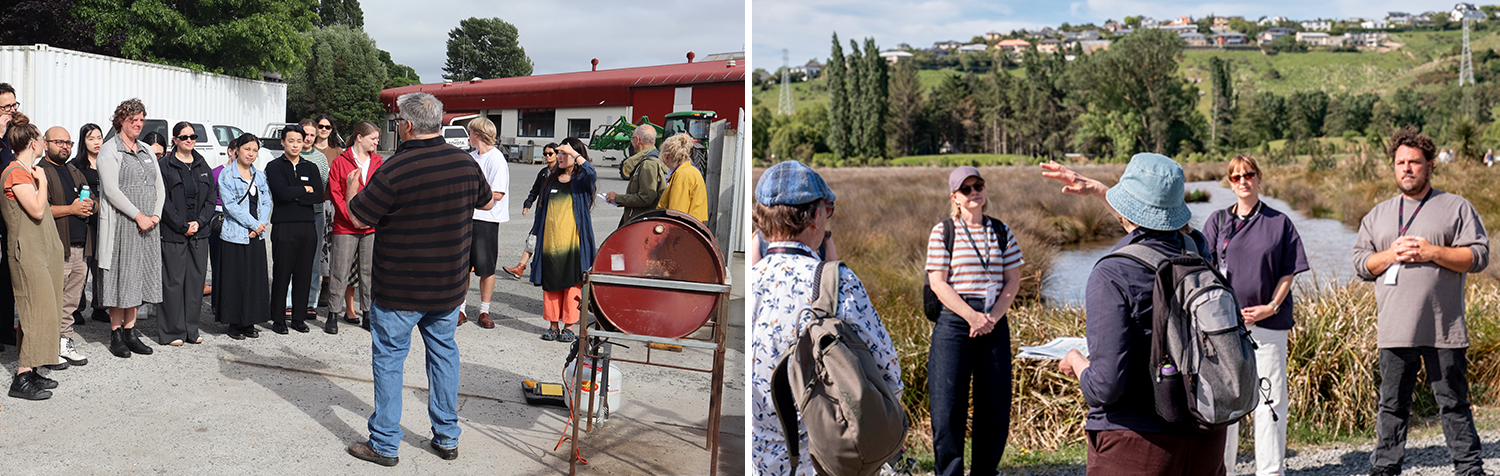
Experiencing landscape architecture close up: Wednesday’s Student wānanga at Lincoln University at left, and a snapshot from the Field Trip experience on day one of the Firth NZILA Wānanga at right.
On Wednesday 4 November students and staff from Lincoln University, Victoria University of Wellington, Unitec, AUT, and practitioners spent several hours together for a special wānanga hosted by the School of Landscape Architecture (SoLA) at Lincoln University.
This event was held alongside the Firth NZILA Wānanga and the focus of the day was to increase knowledge and understanding of the risk of wildfire in urban to periurban and rural environments. The question posed was 'what is the role of landscape architecture in addressing increasing climate change impacts such as wildfire?' Students and guests witnessed an outdoors plant flammability test, as well as taking part in a metaphor-stretching 'Pub Quiz' and a fun model-making competition.
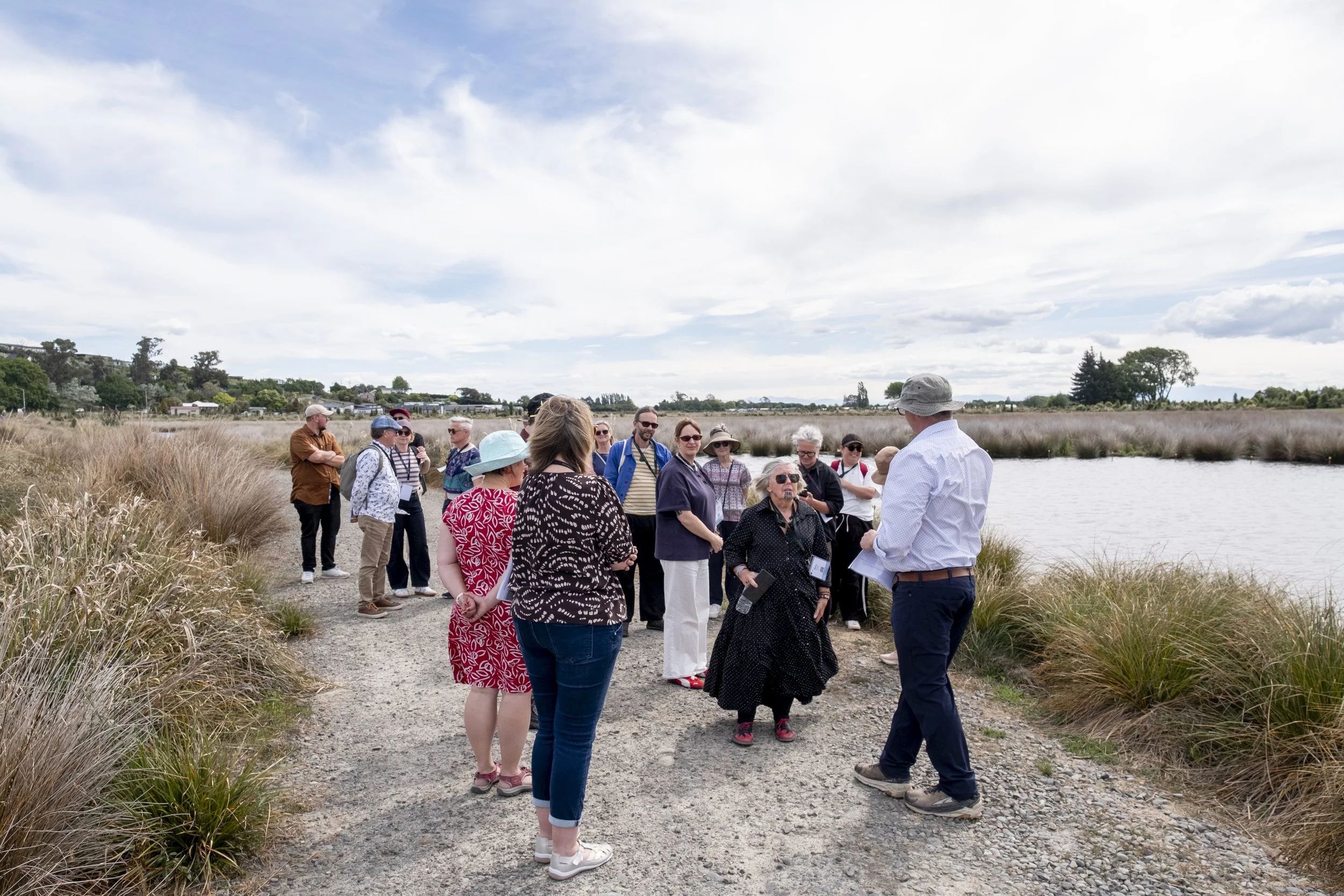
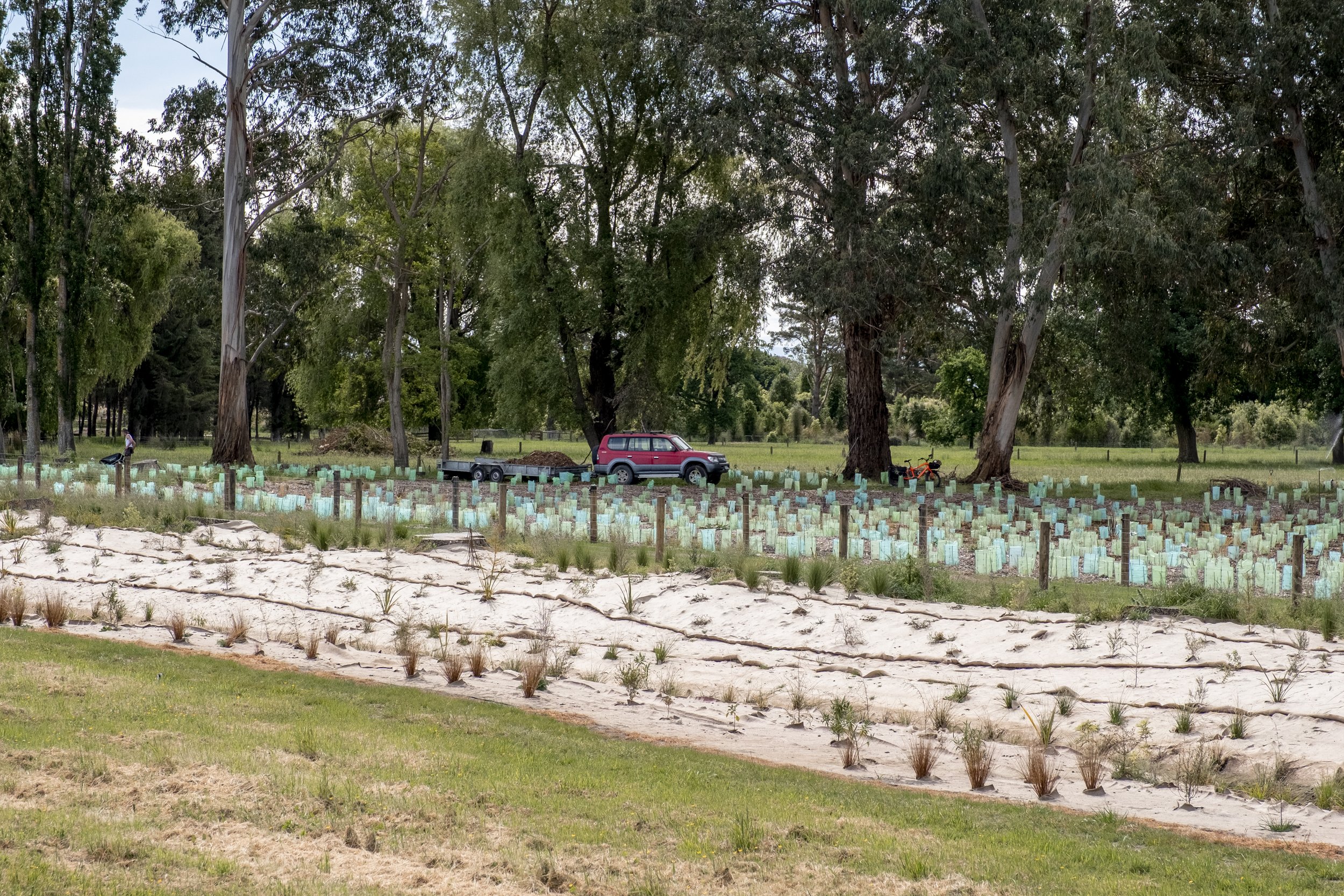
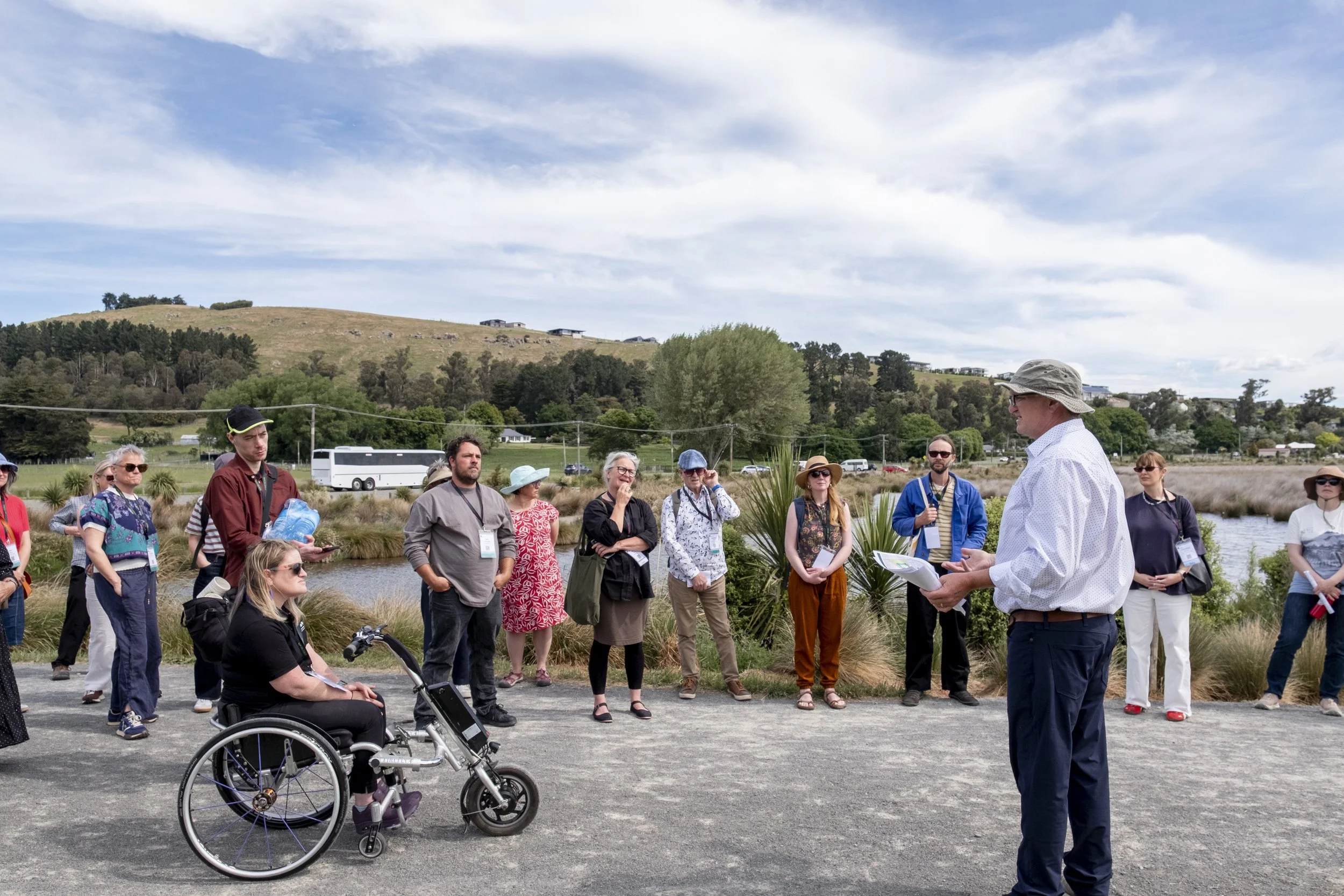
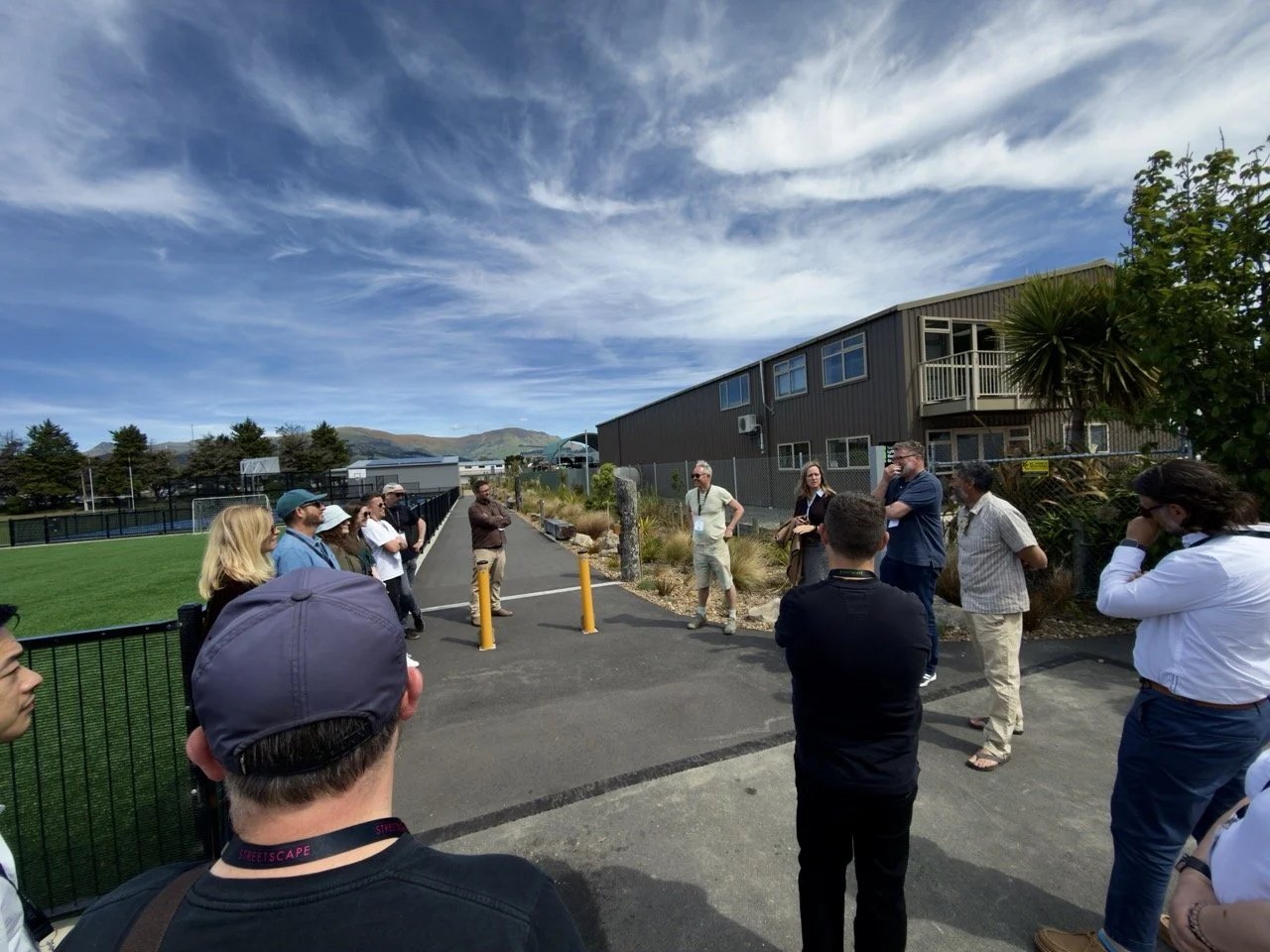
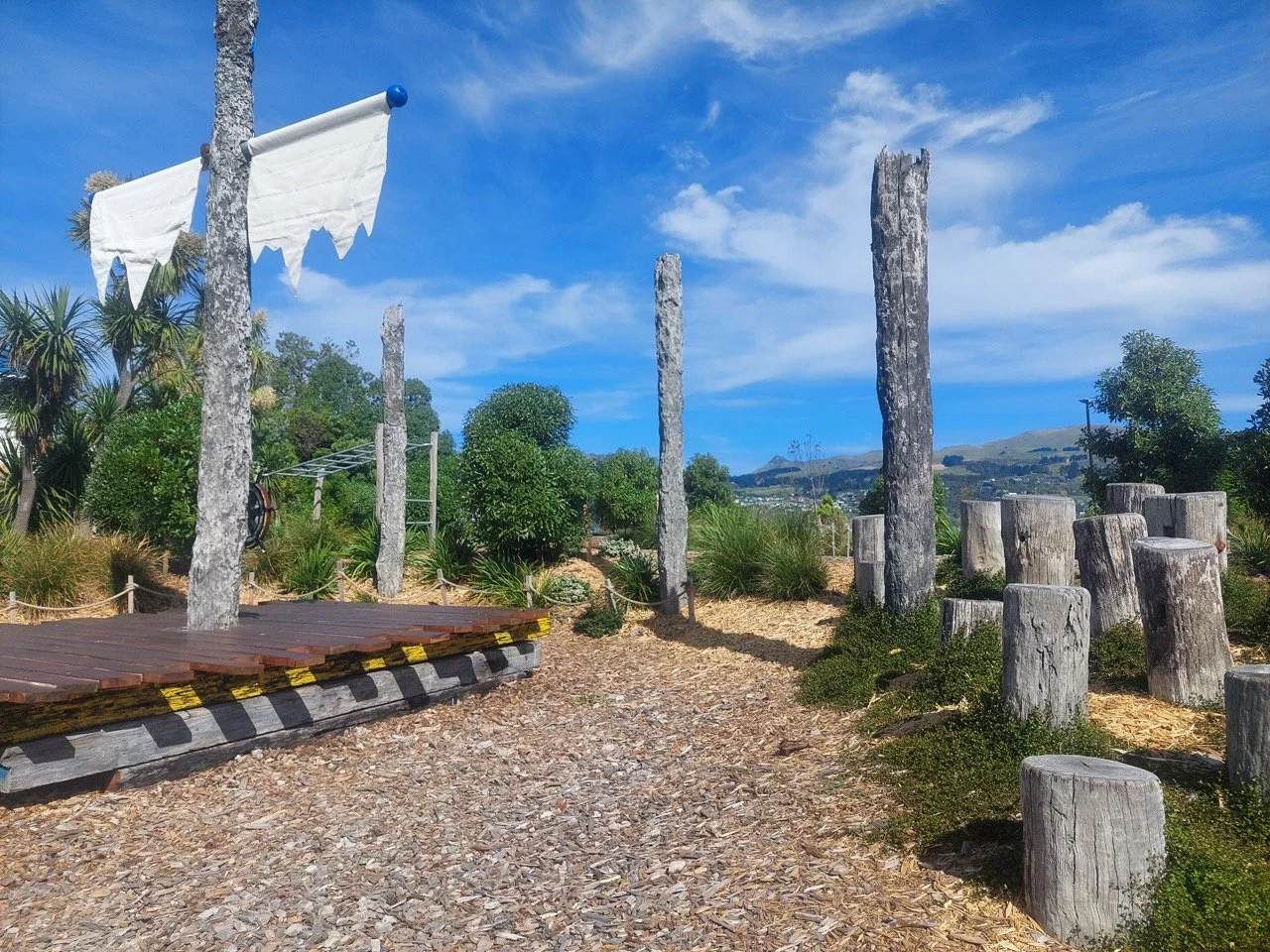
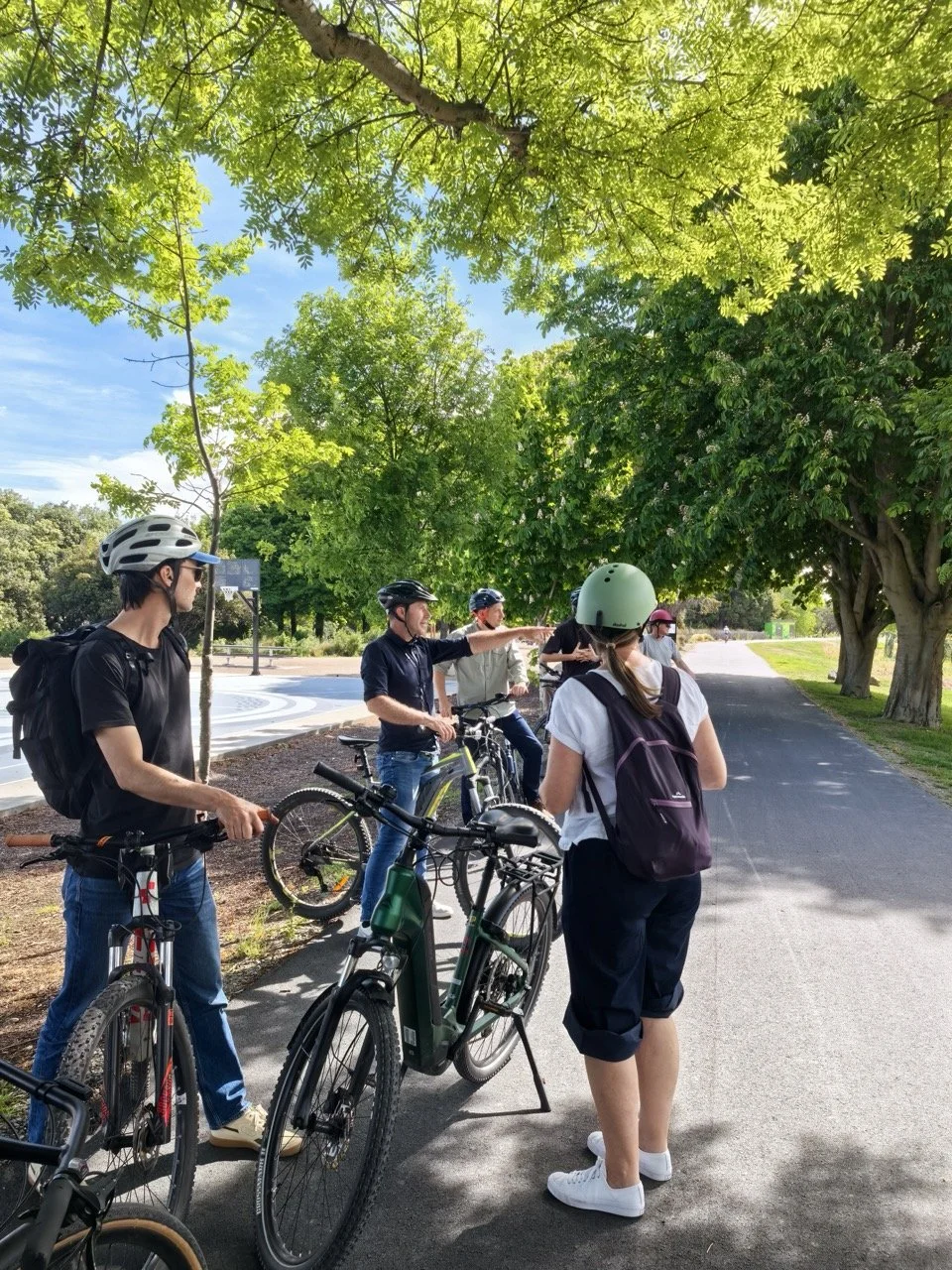
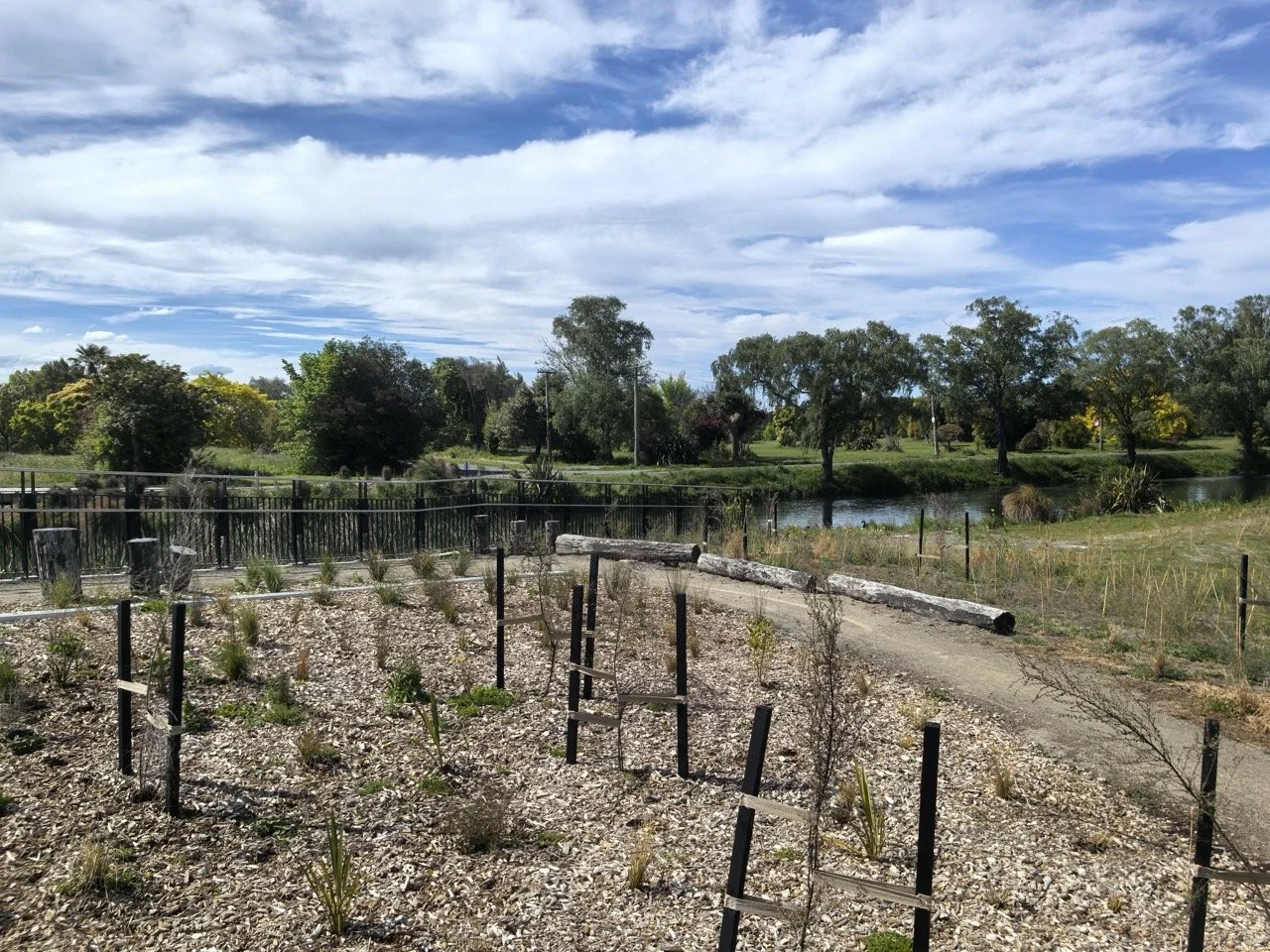
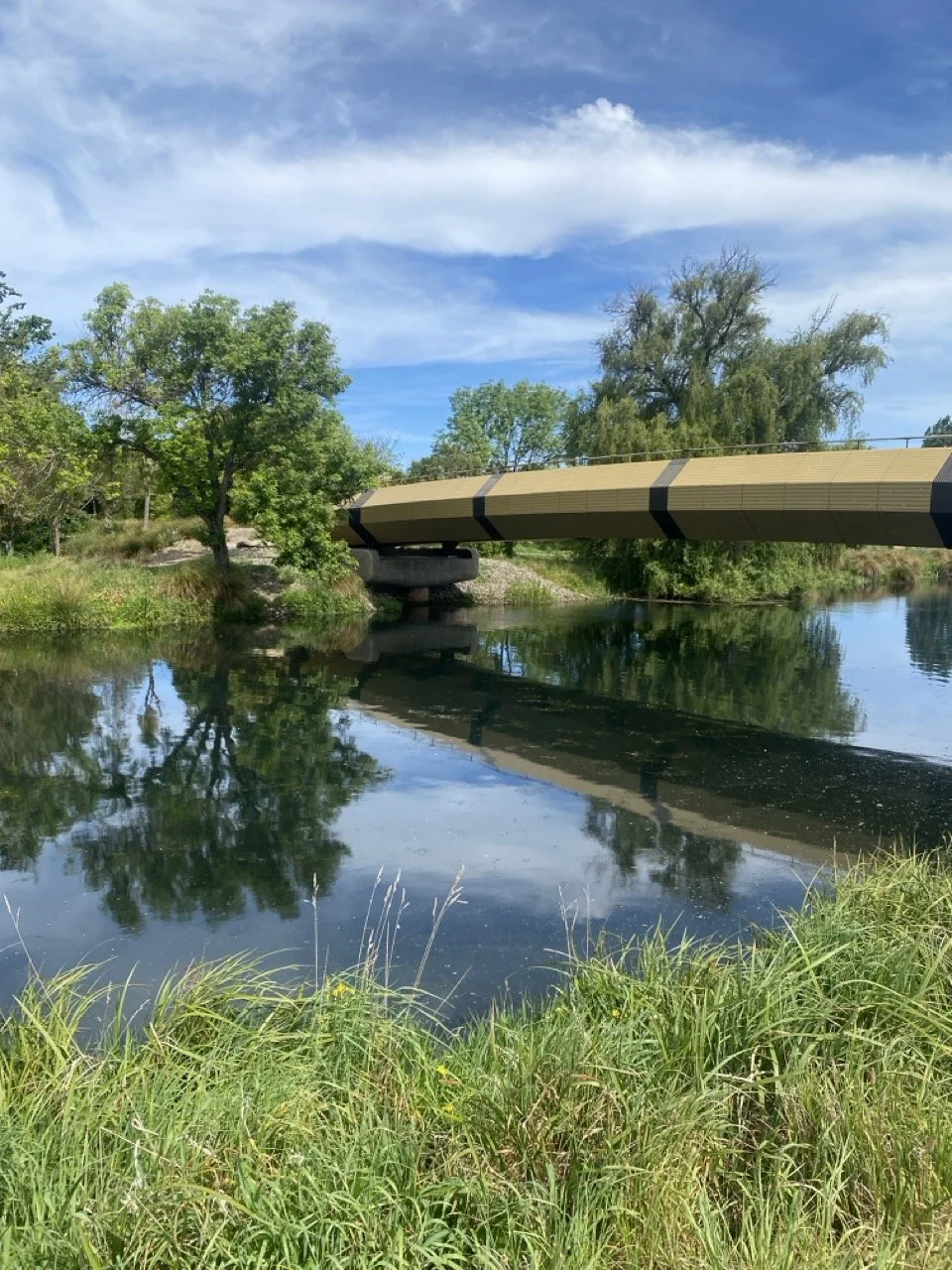
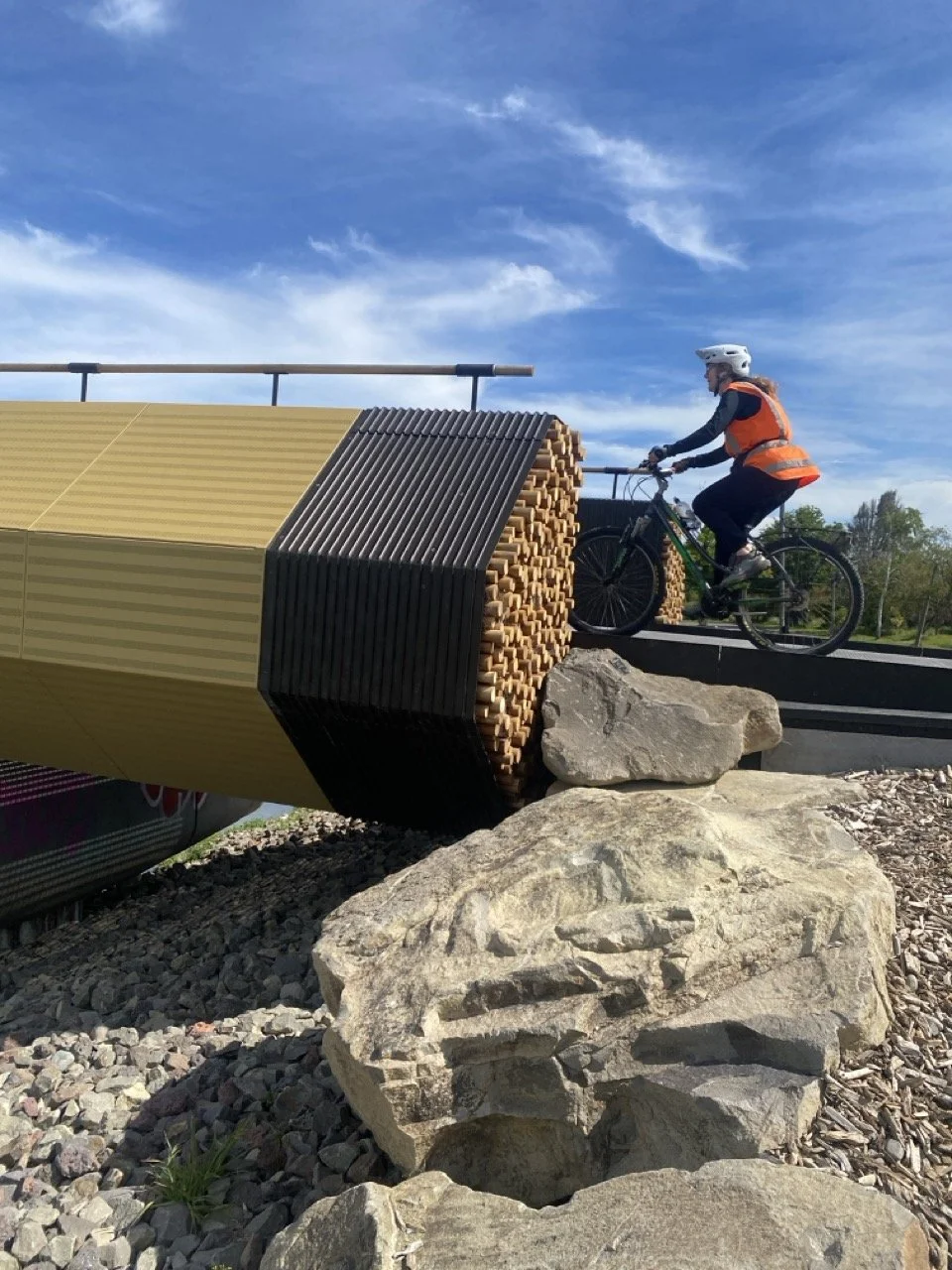
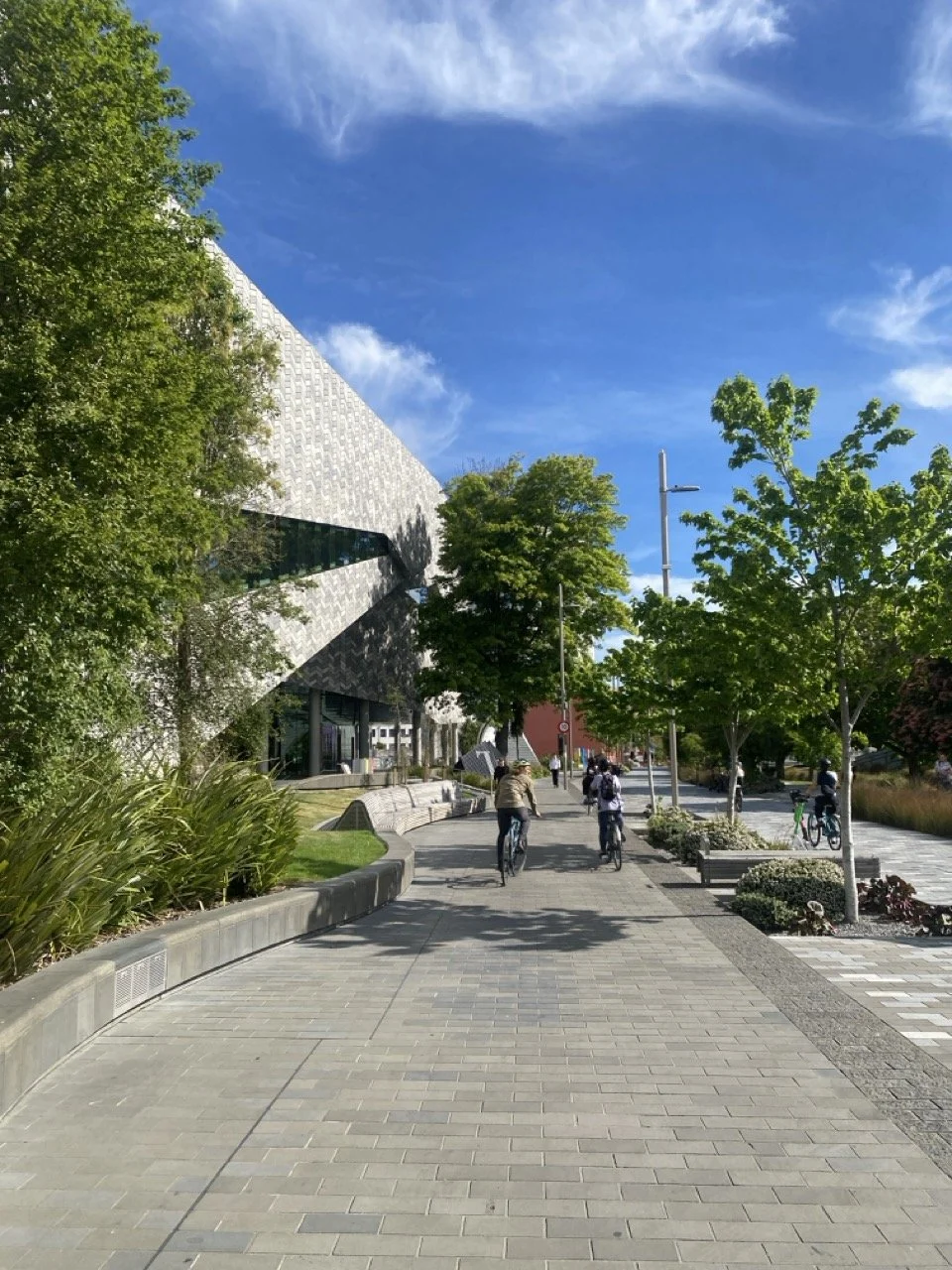
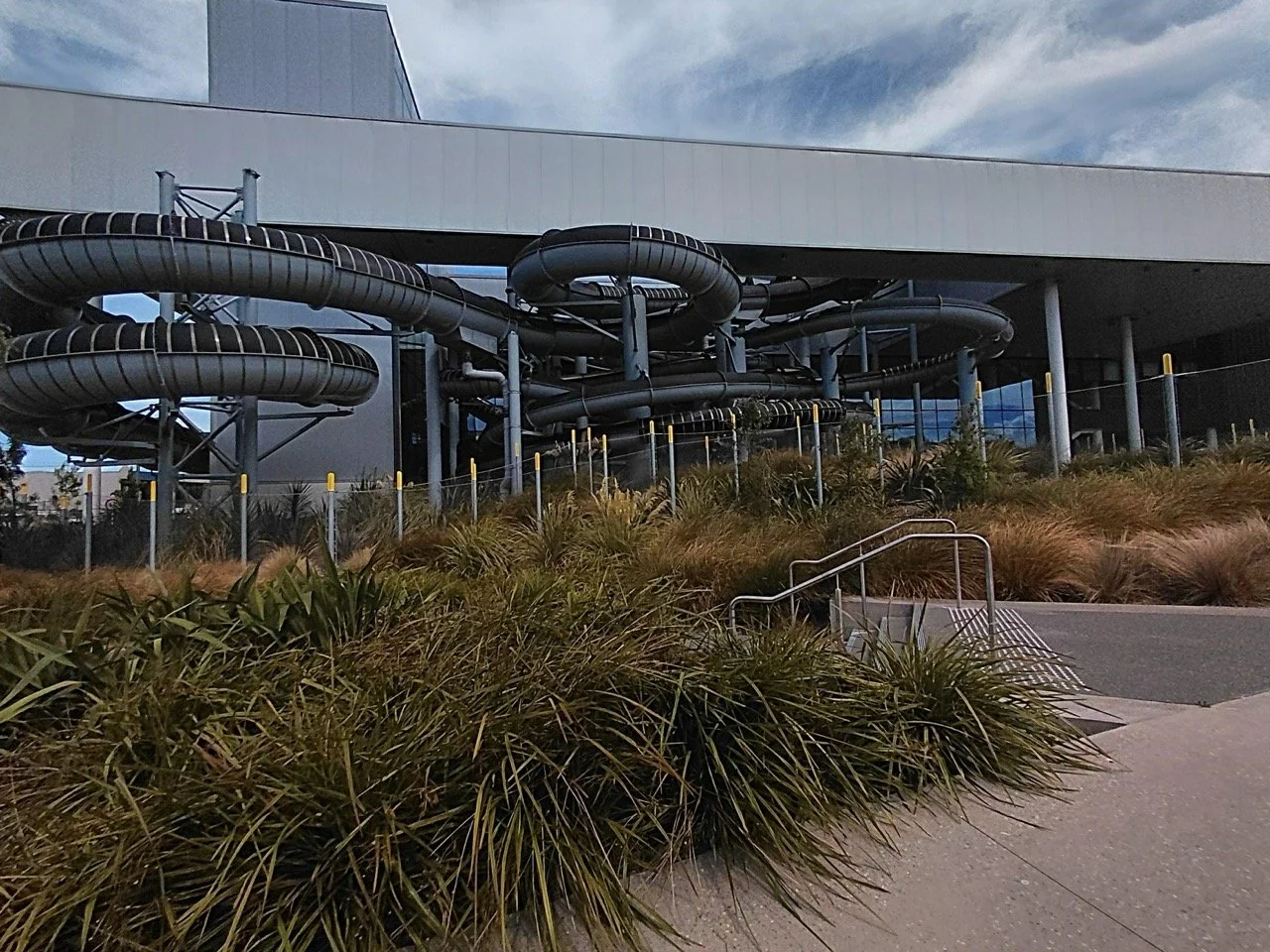
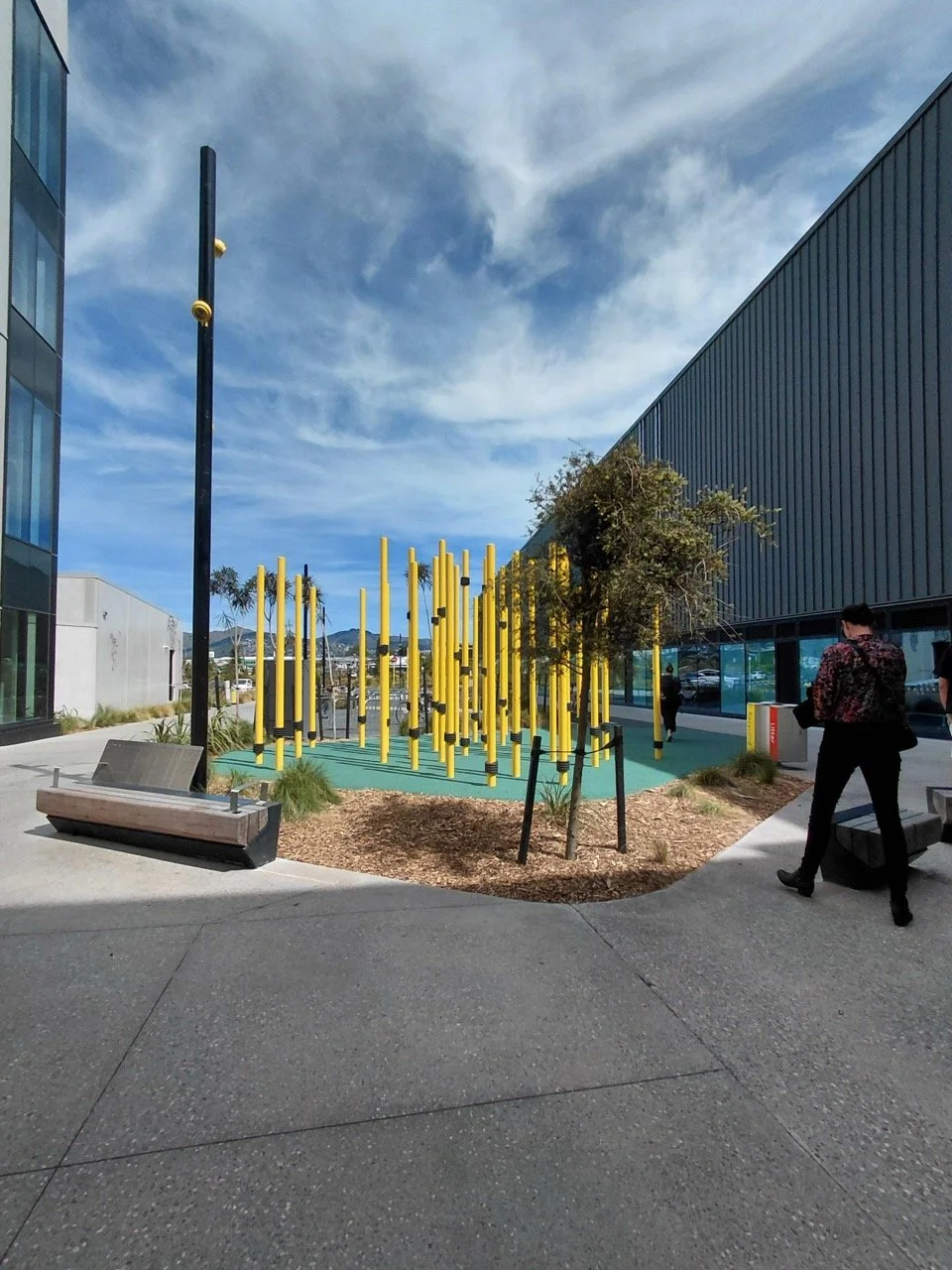
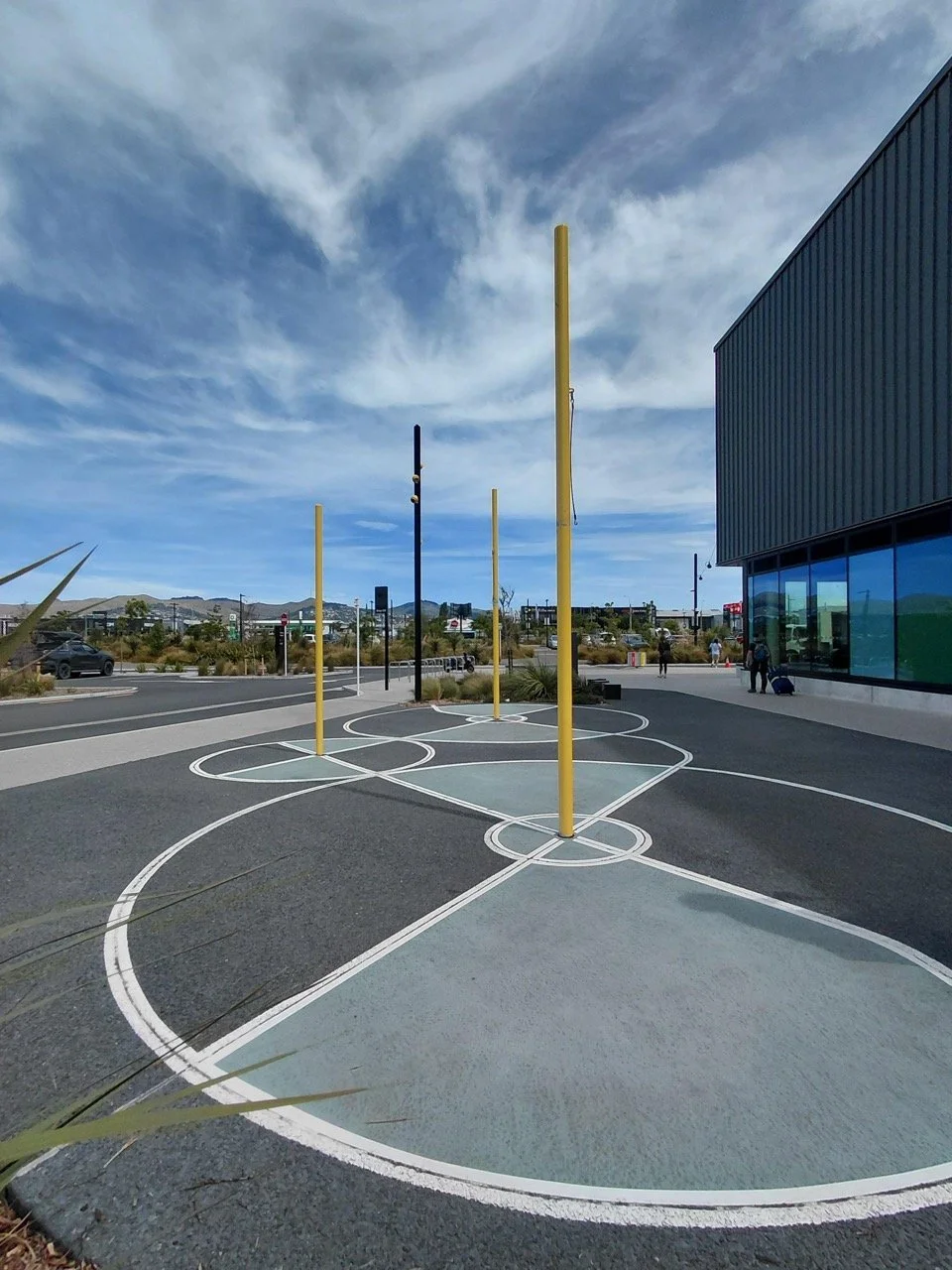
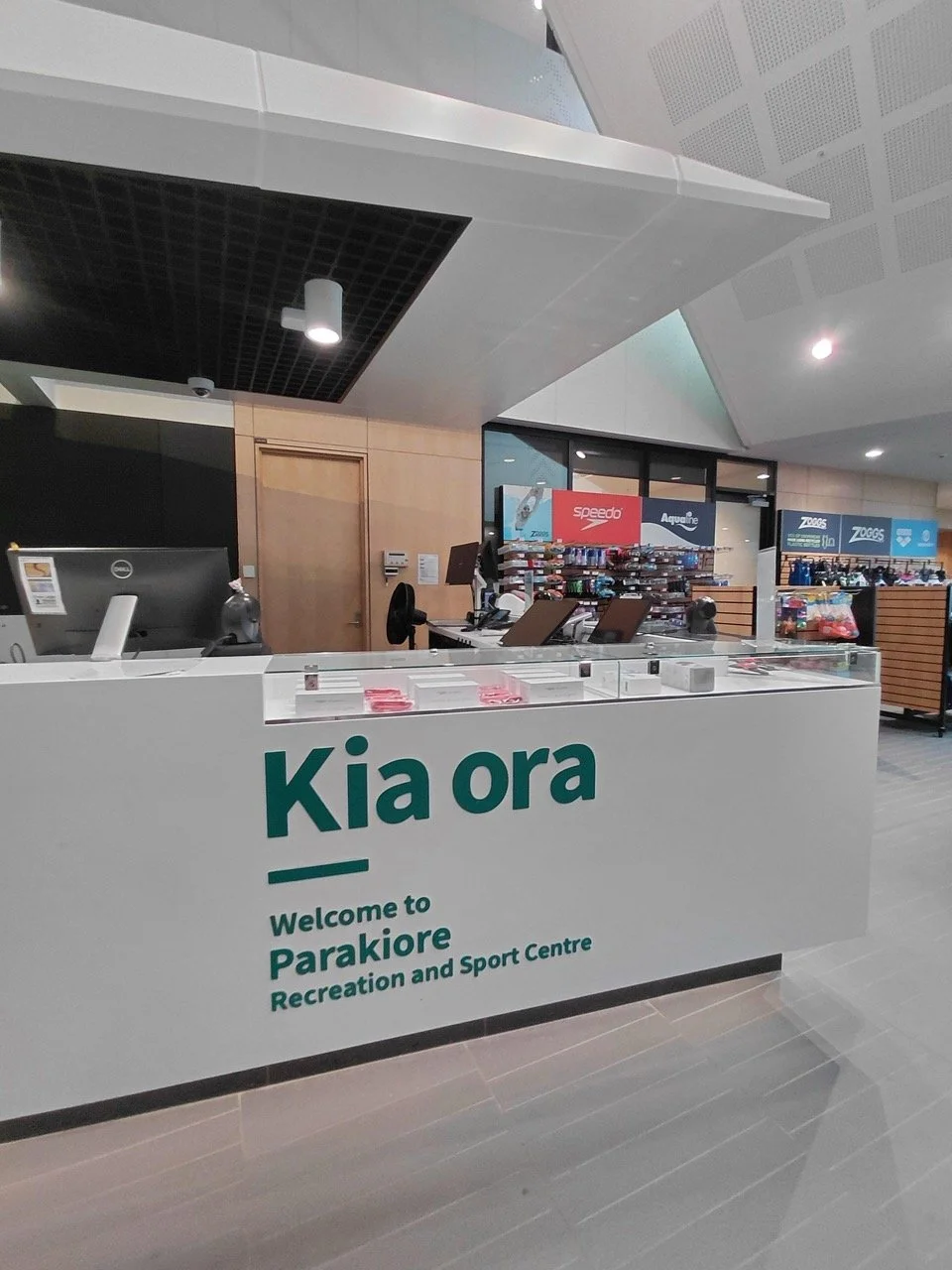
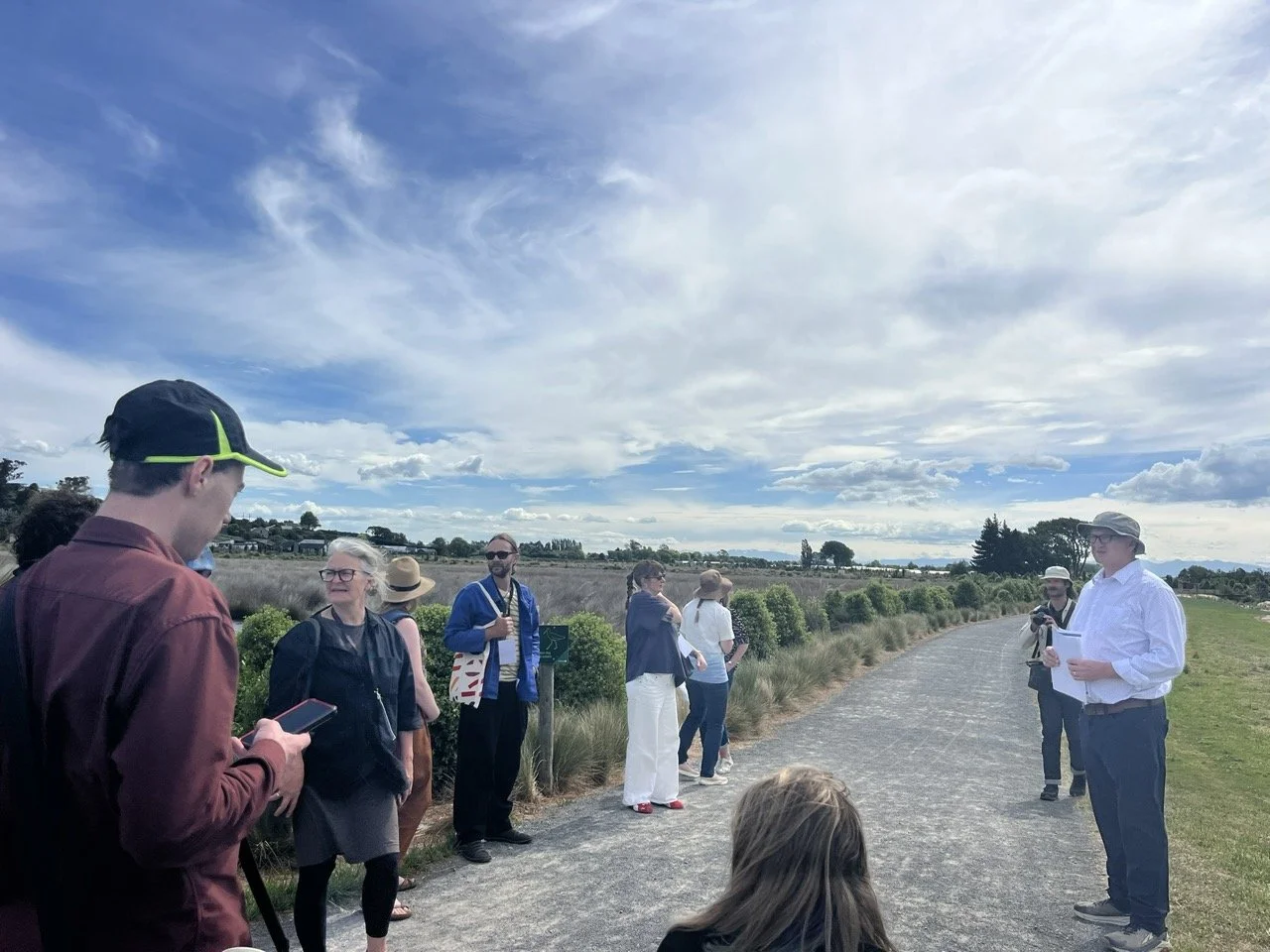
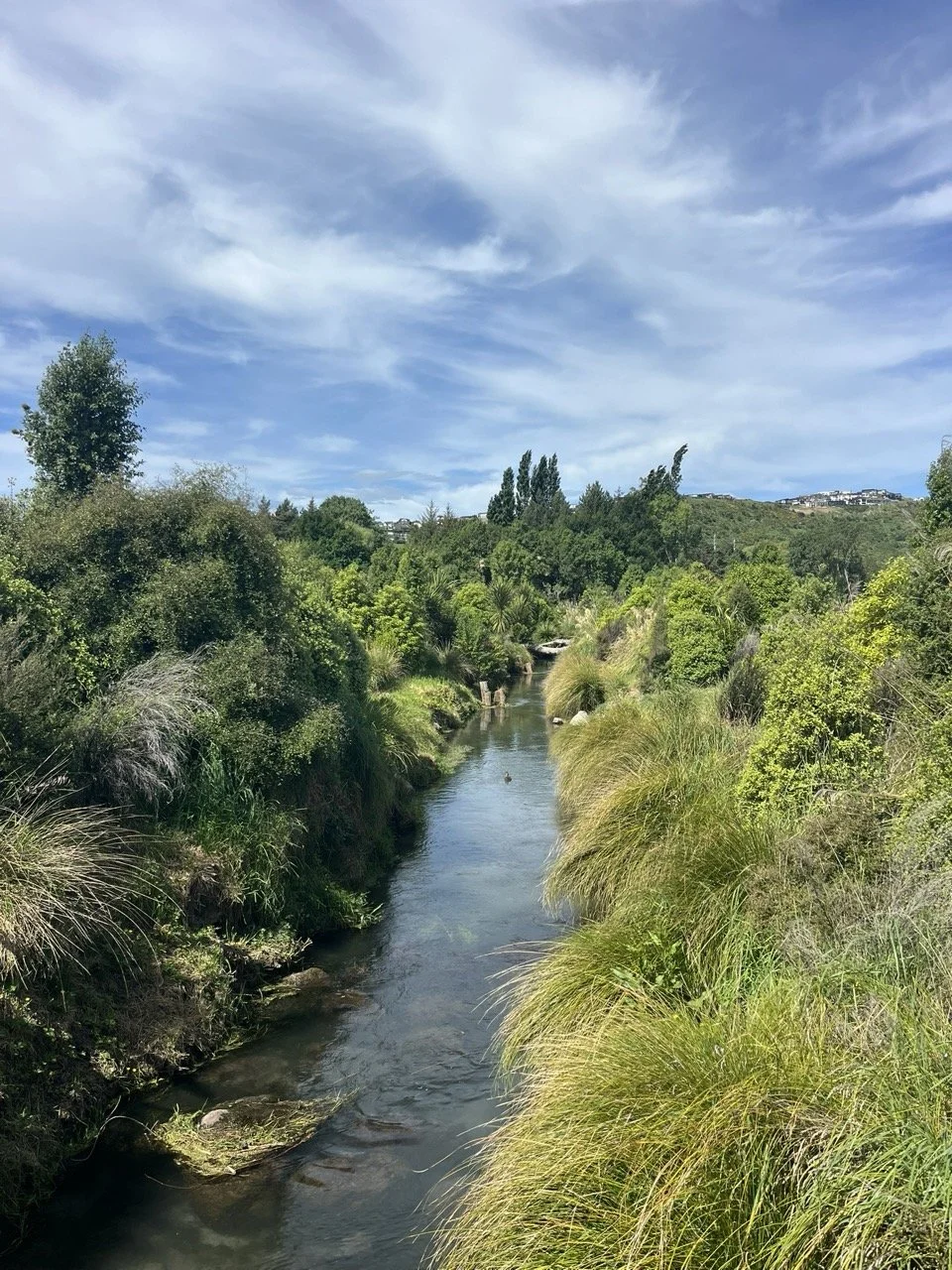
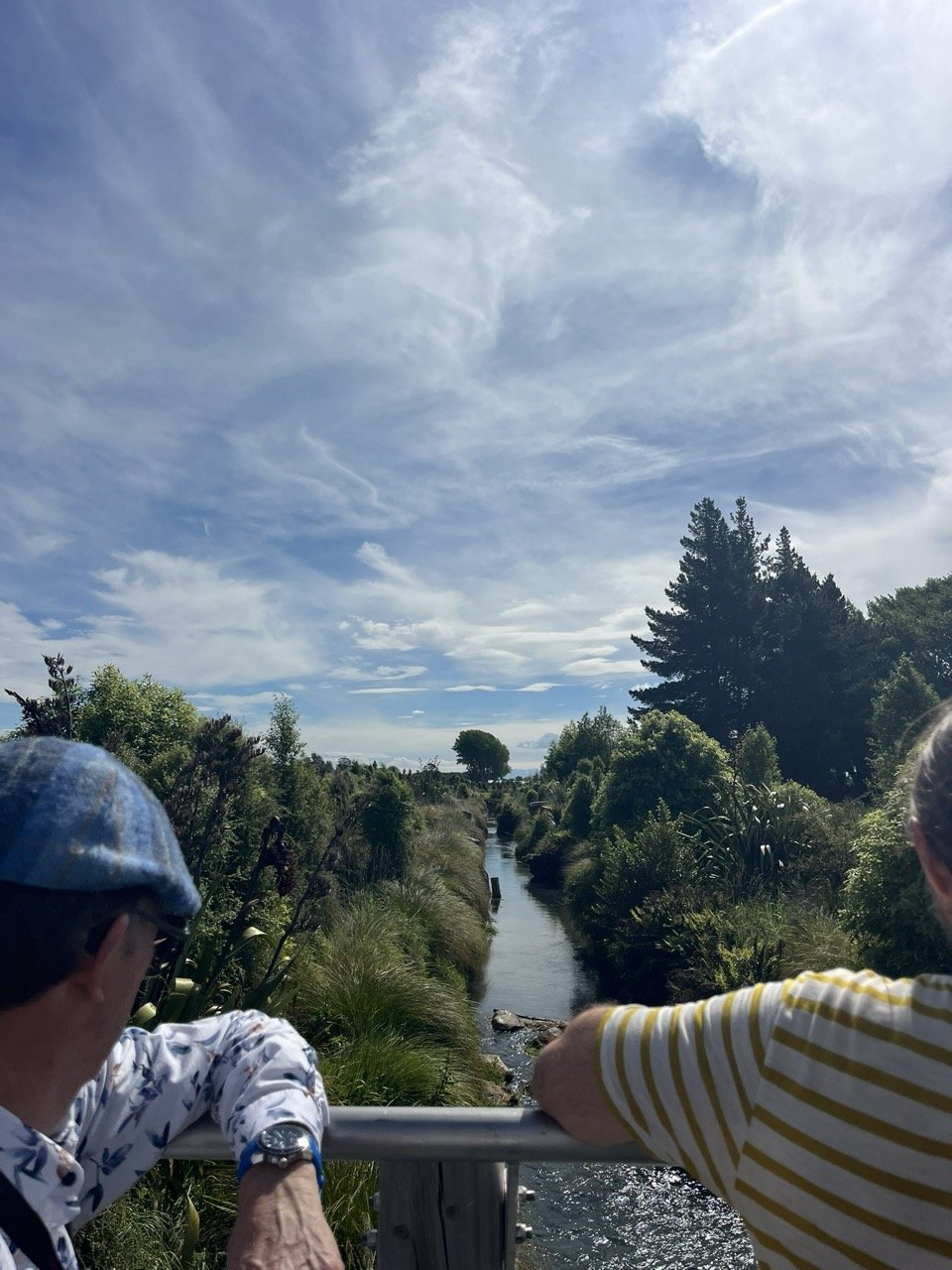
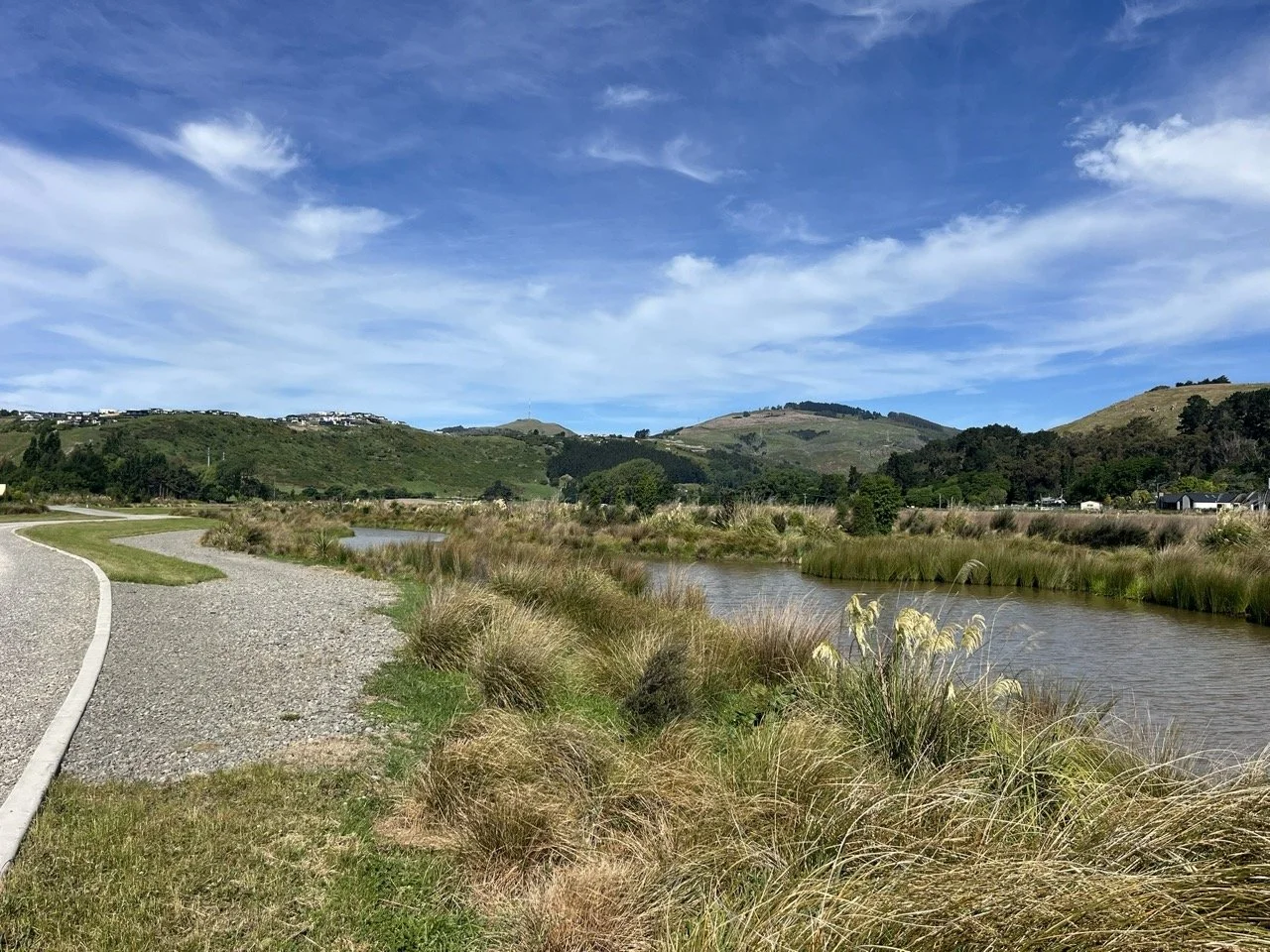
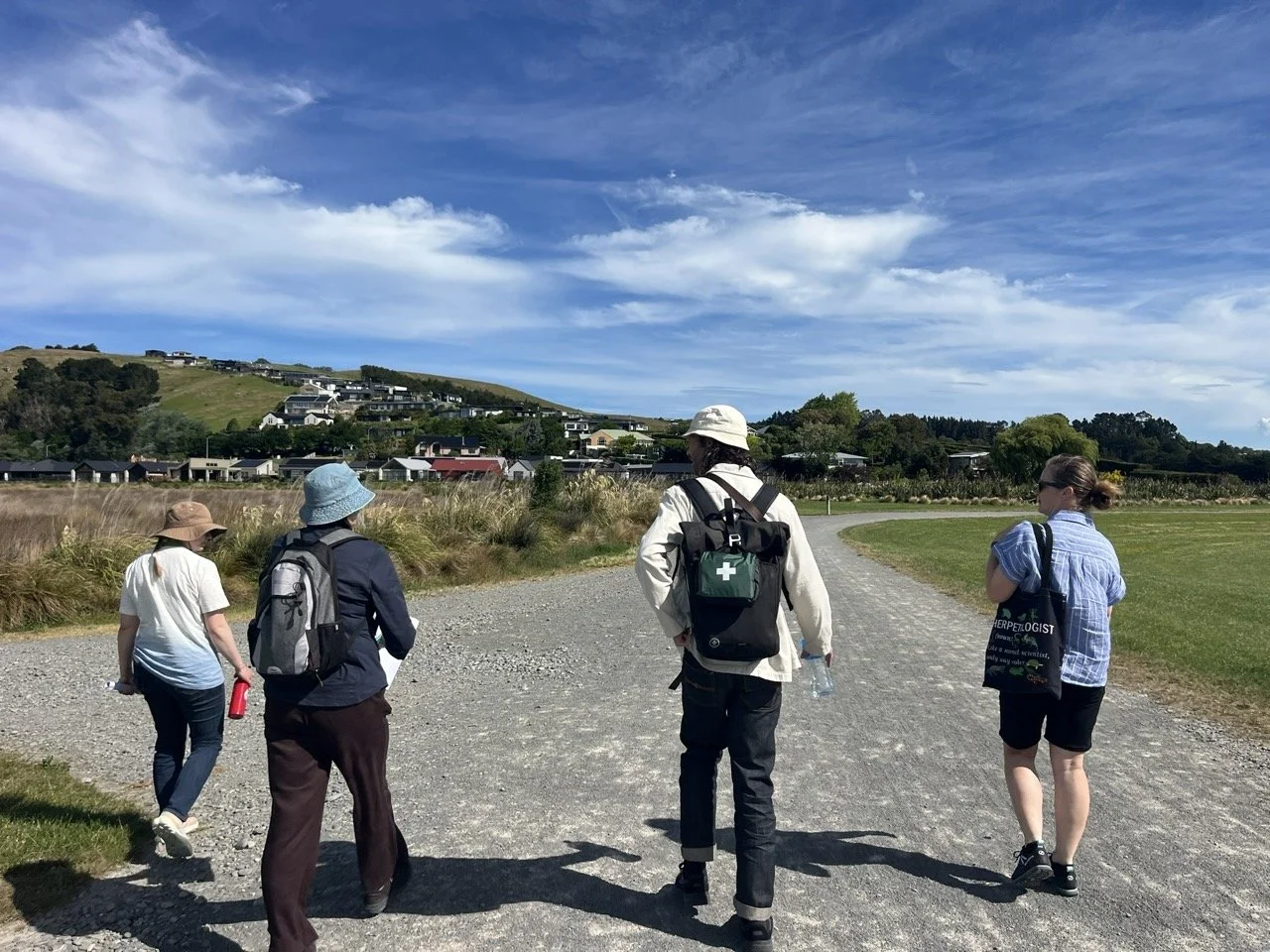
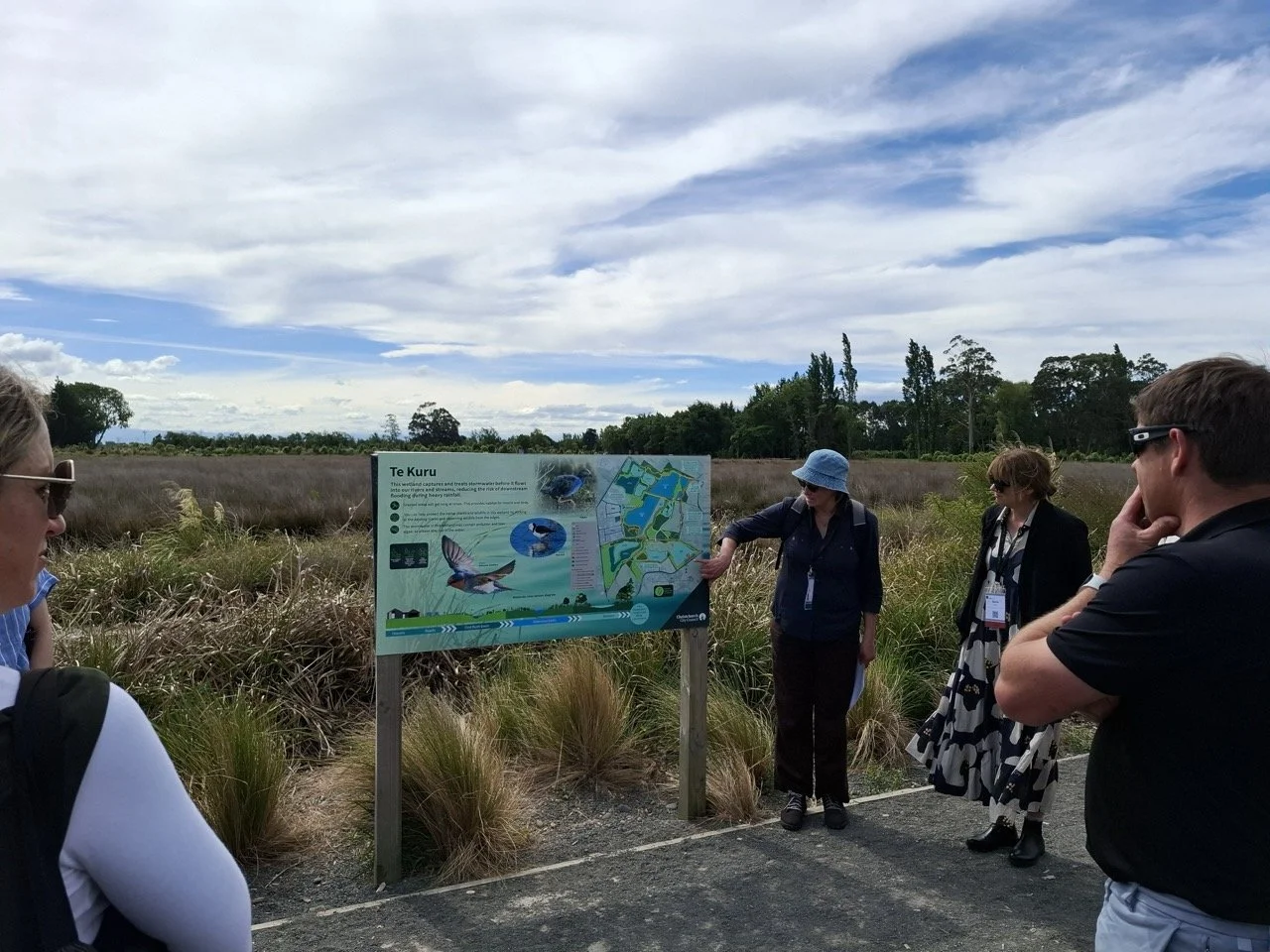
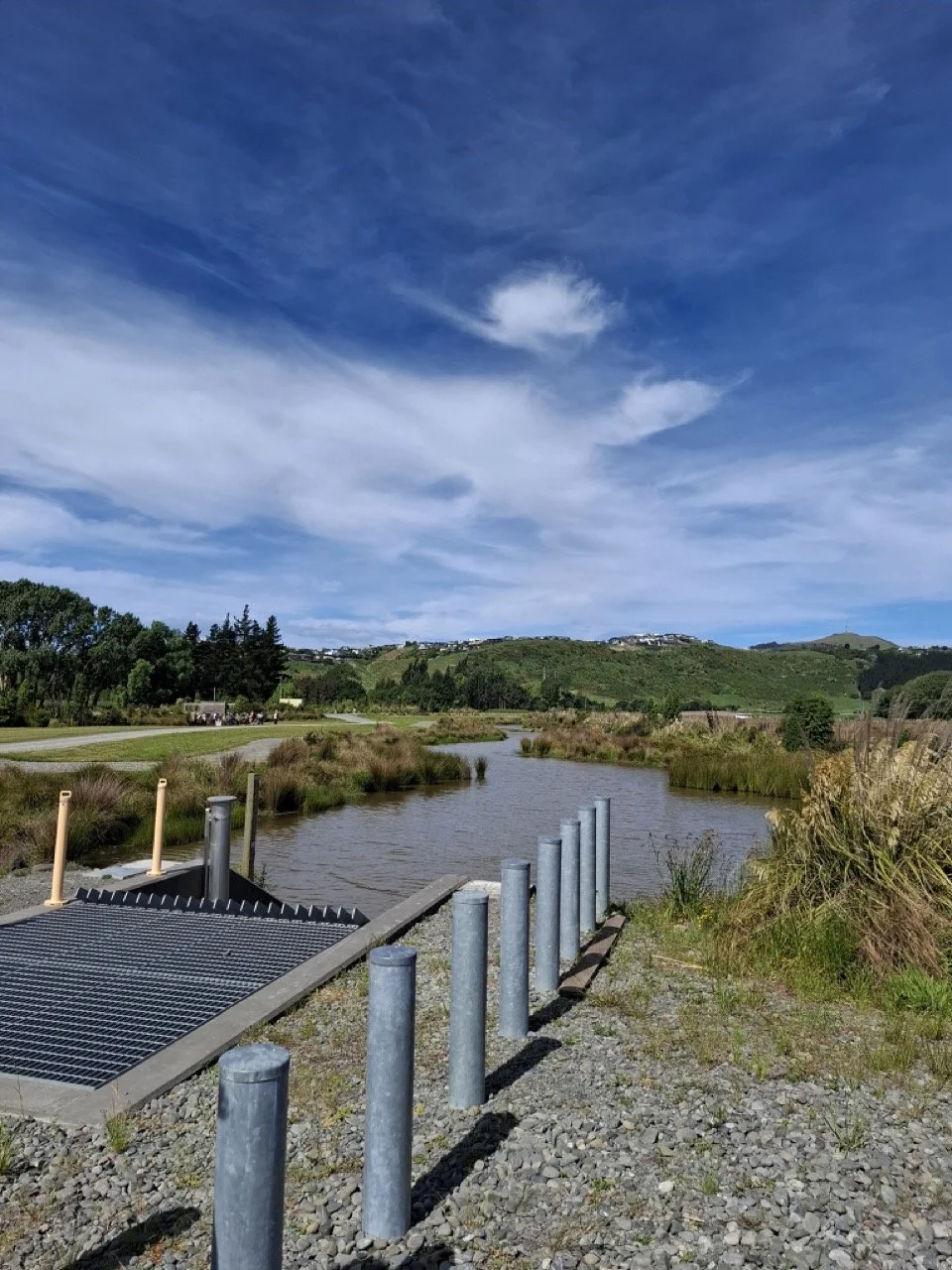
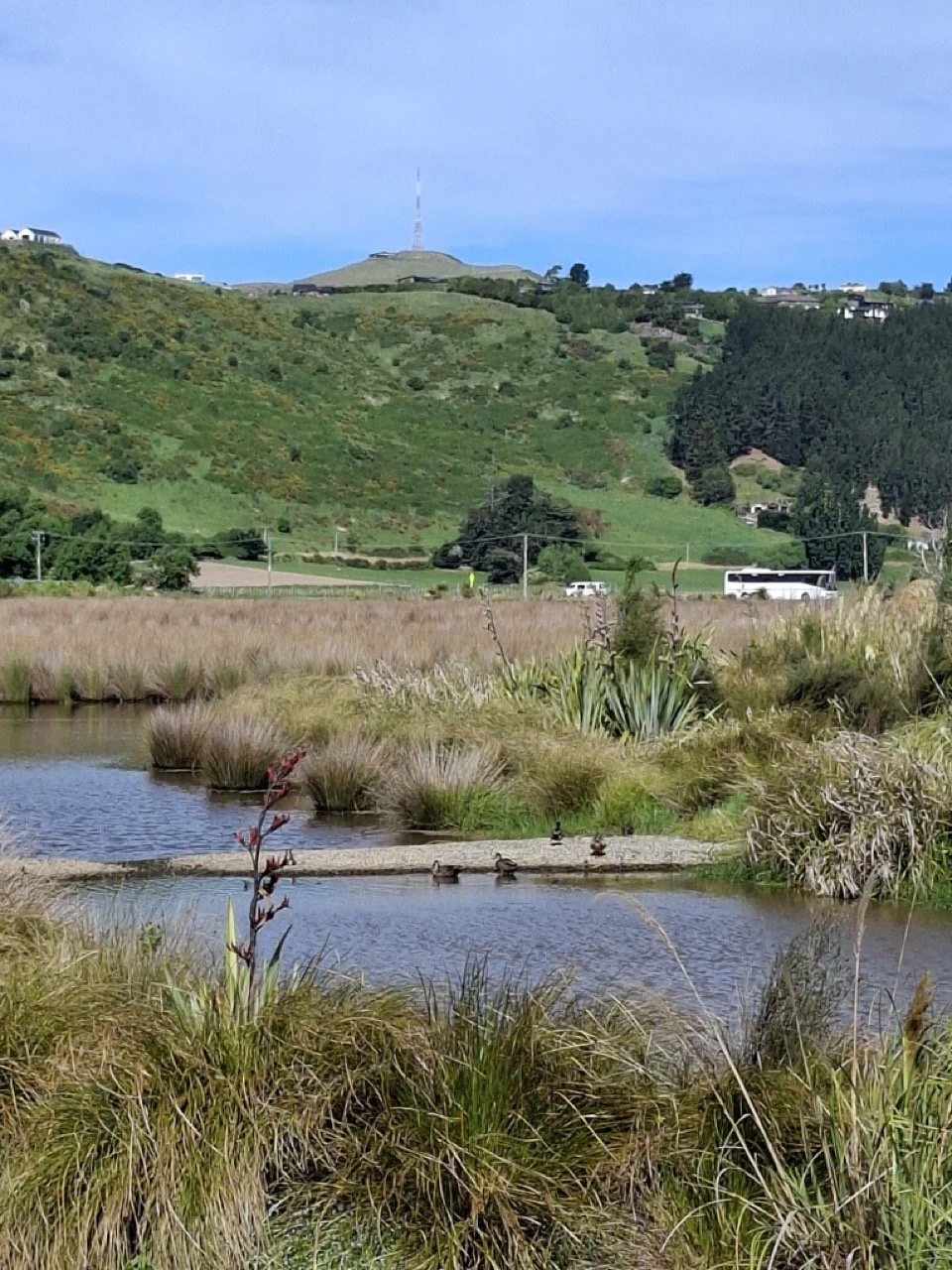
The afternoon of day one of the Firth NZILA Wānanga saw Field Trips into the landscapes of Ōtautahi: Te Kuru Wetland, Parakiore, Ōtākaro Avon River Corridor, Te Nukutai o Tapoa Naval Point, and Marokapara (the home of Di Lucas) and Margaret Mahy Playground (where Resilio’s Charlotte Drayton and Findlay Sloane starred on the slide).
In addition students had their own field trip to the Boffa Miskell office in Ōtautahi Christchurch, where they heard from Mark Brown and Ken Gimblett about the thinking behind the Christchurch Central Recovery Plan Blueprint.
Read more here: Out in the landscape: Field Notes from Ōtautahi
_________________
A grid of crowd-sourced Field Trips pics!
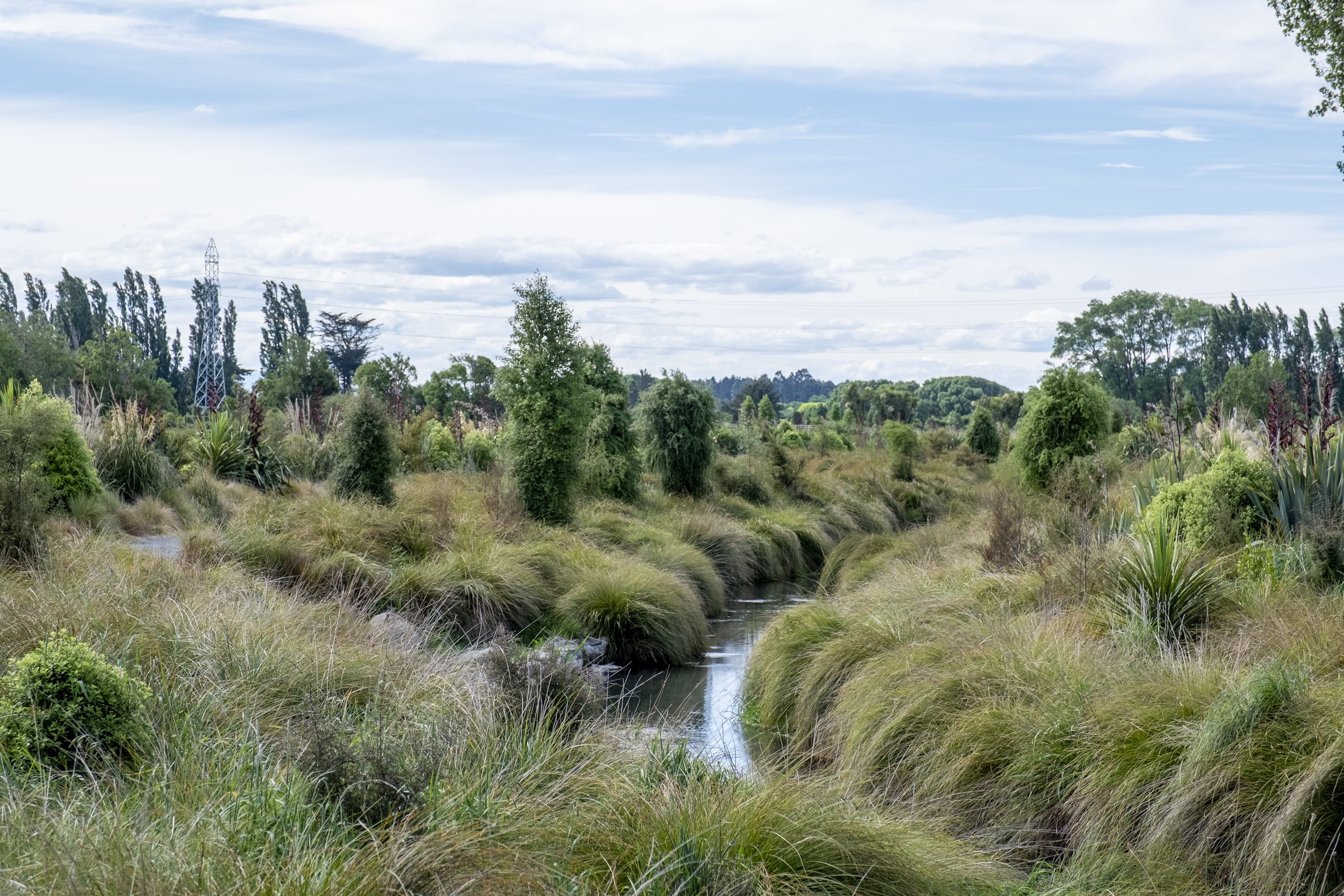
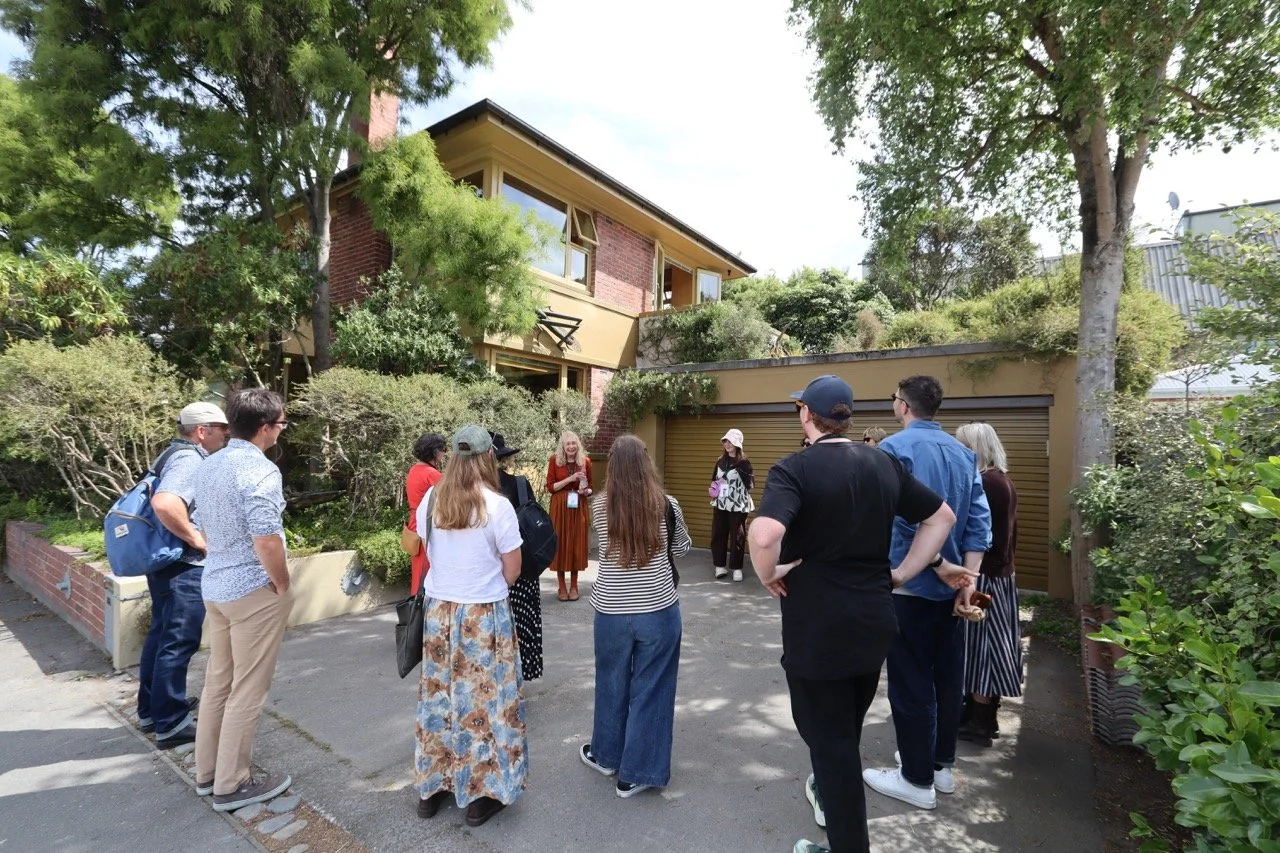
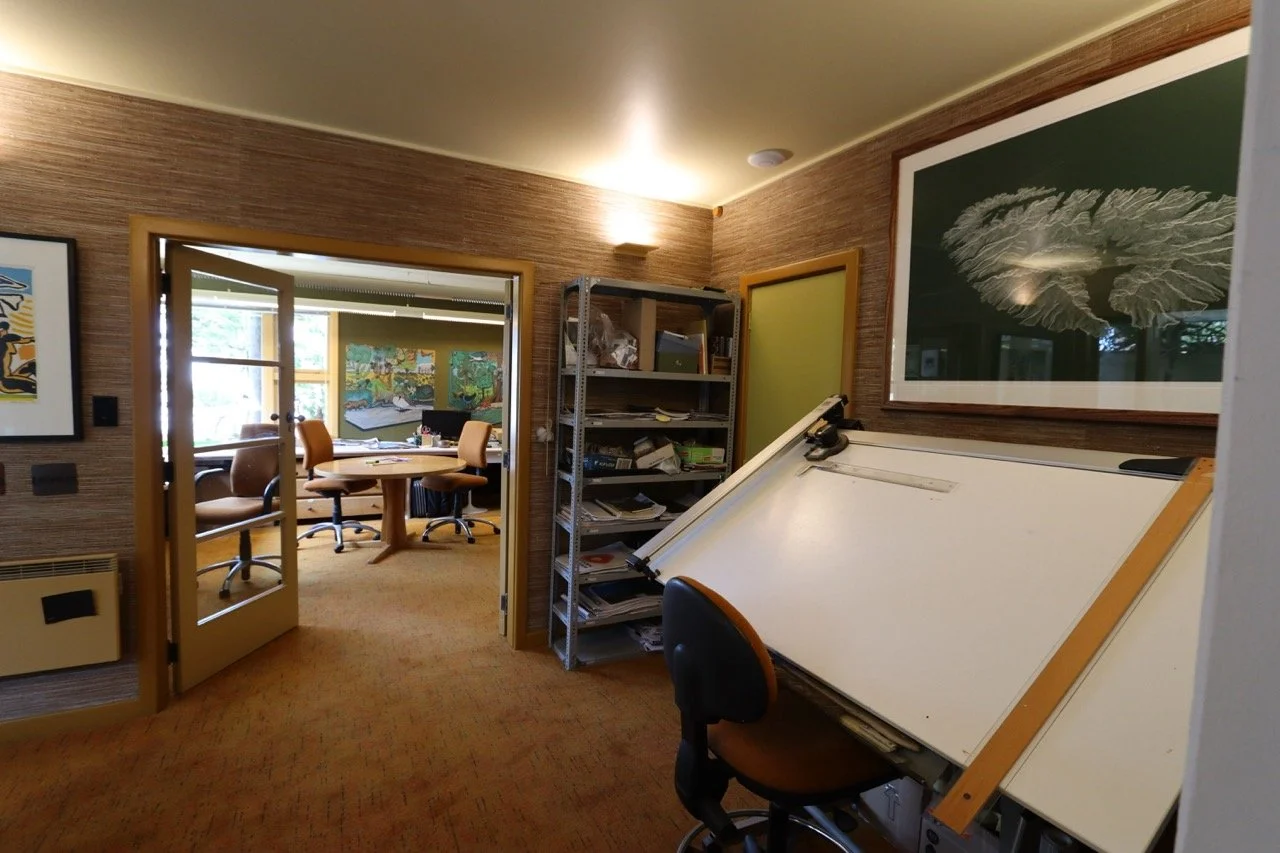
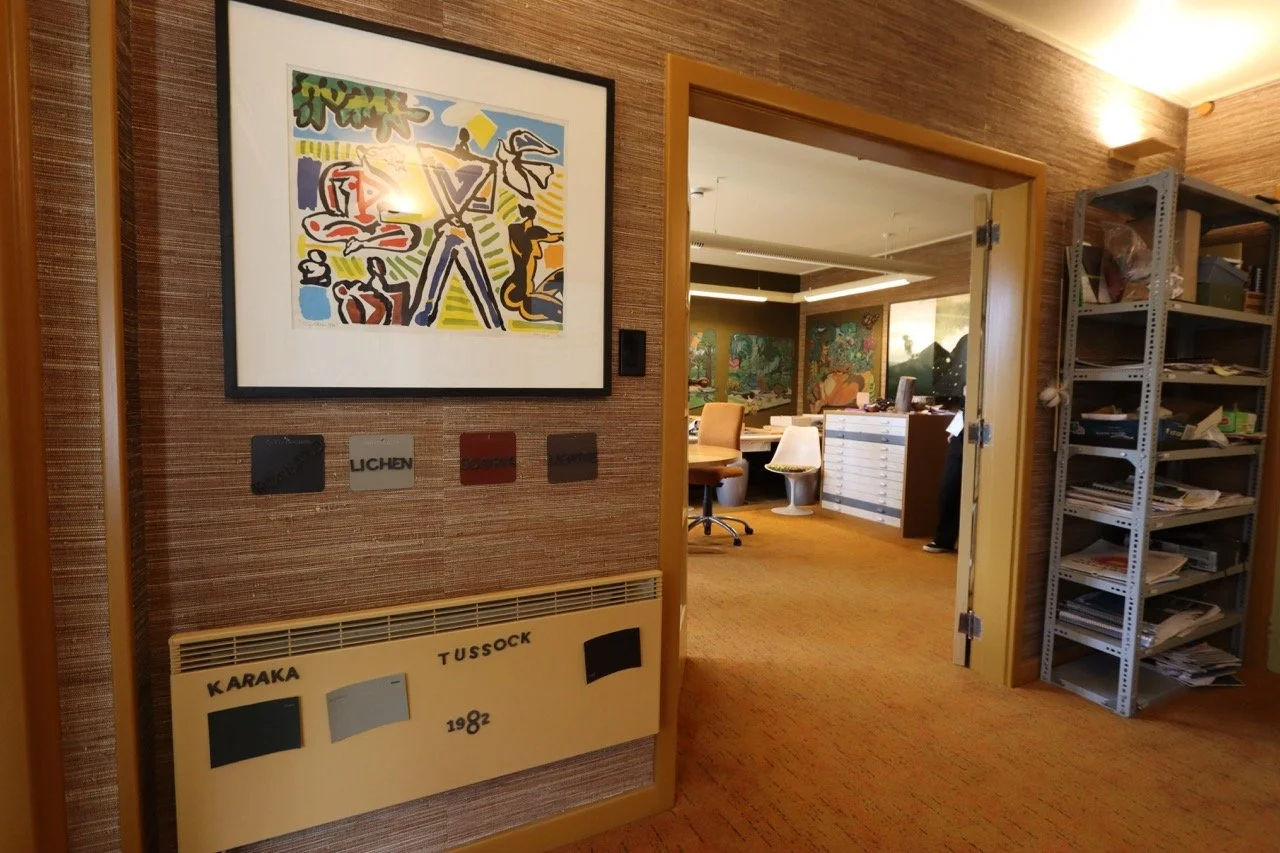
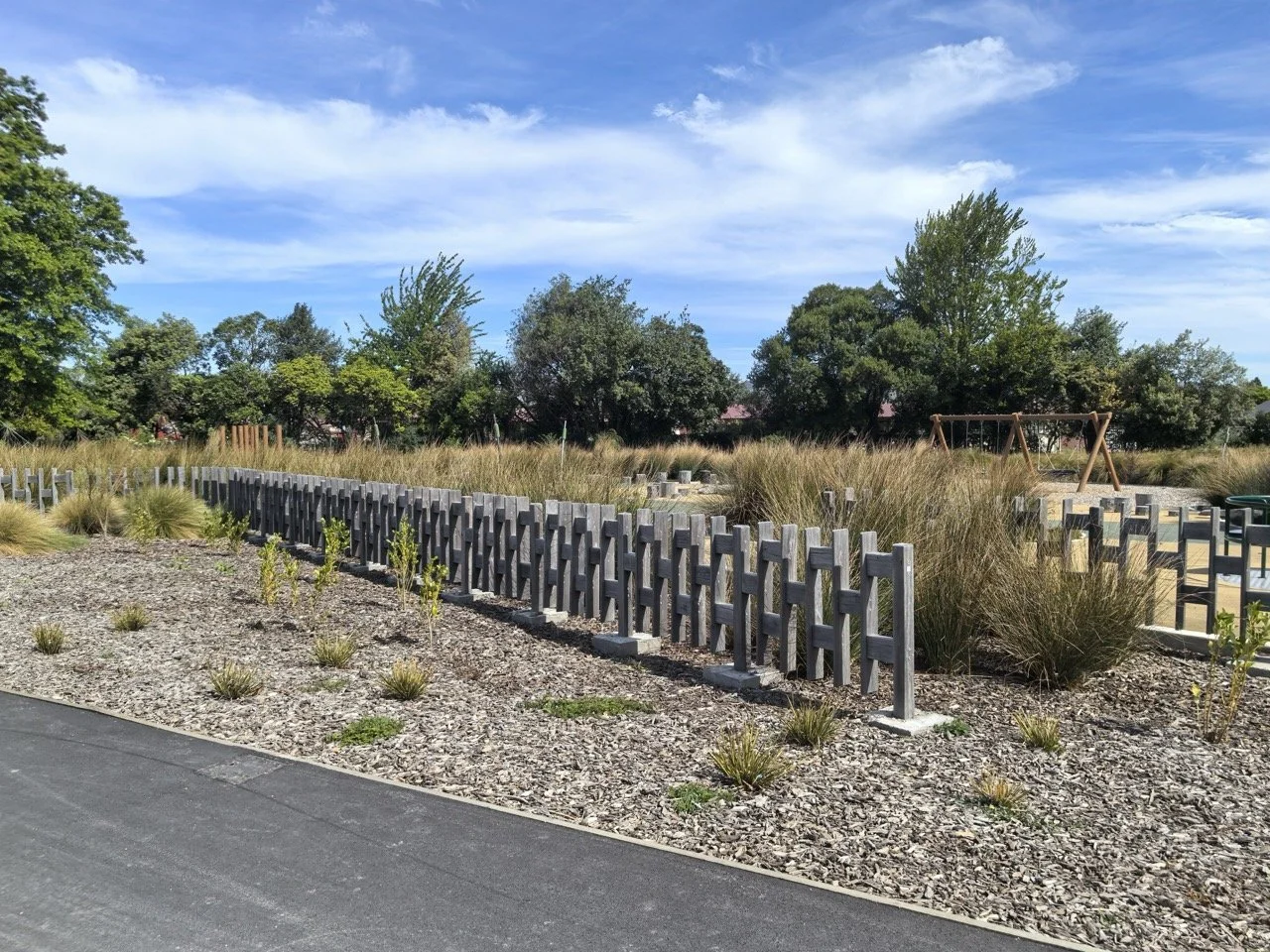
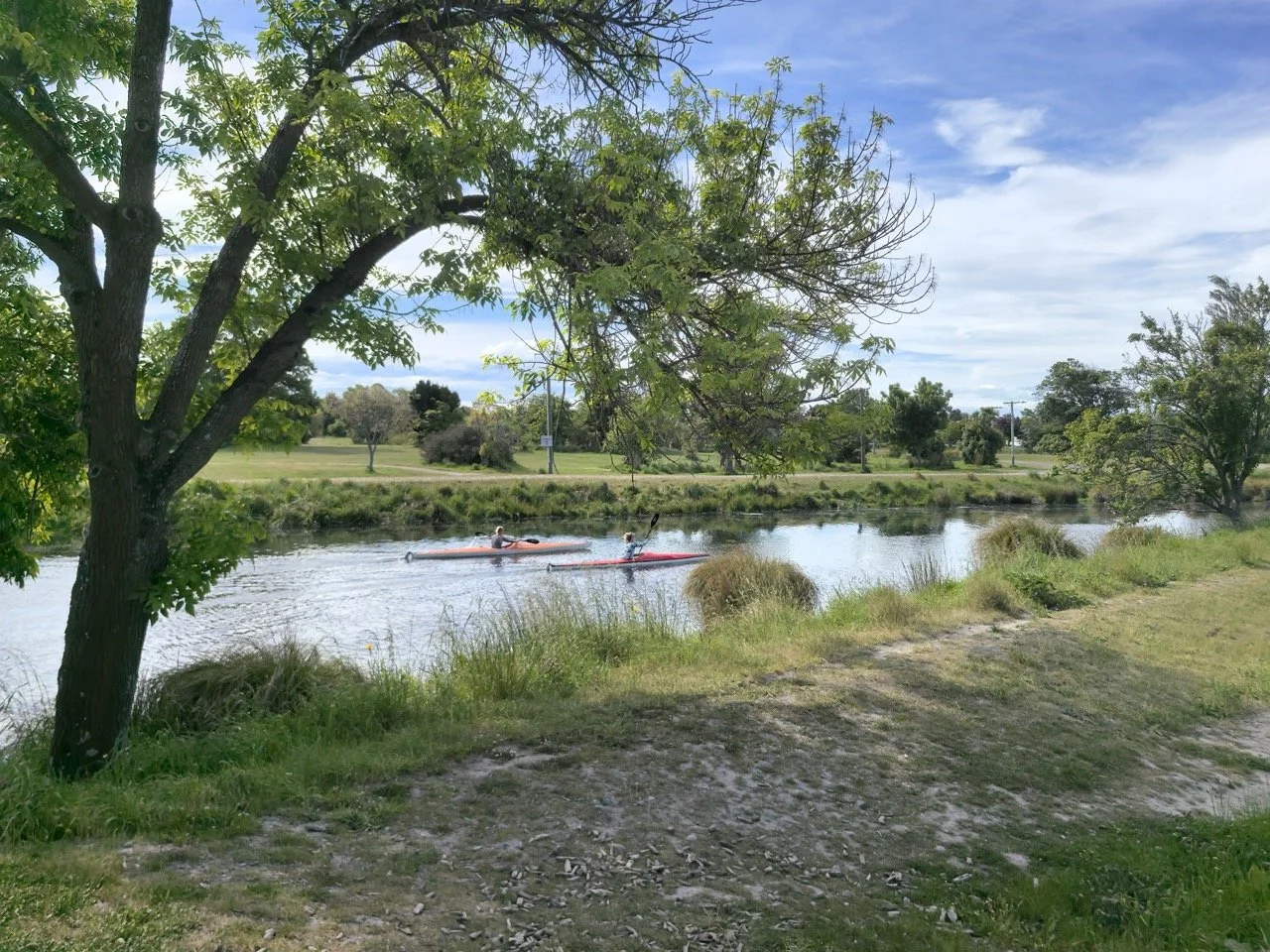
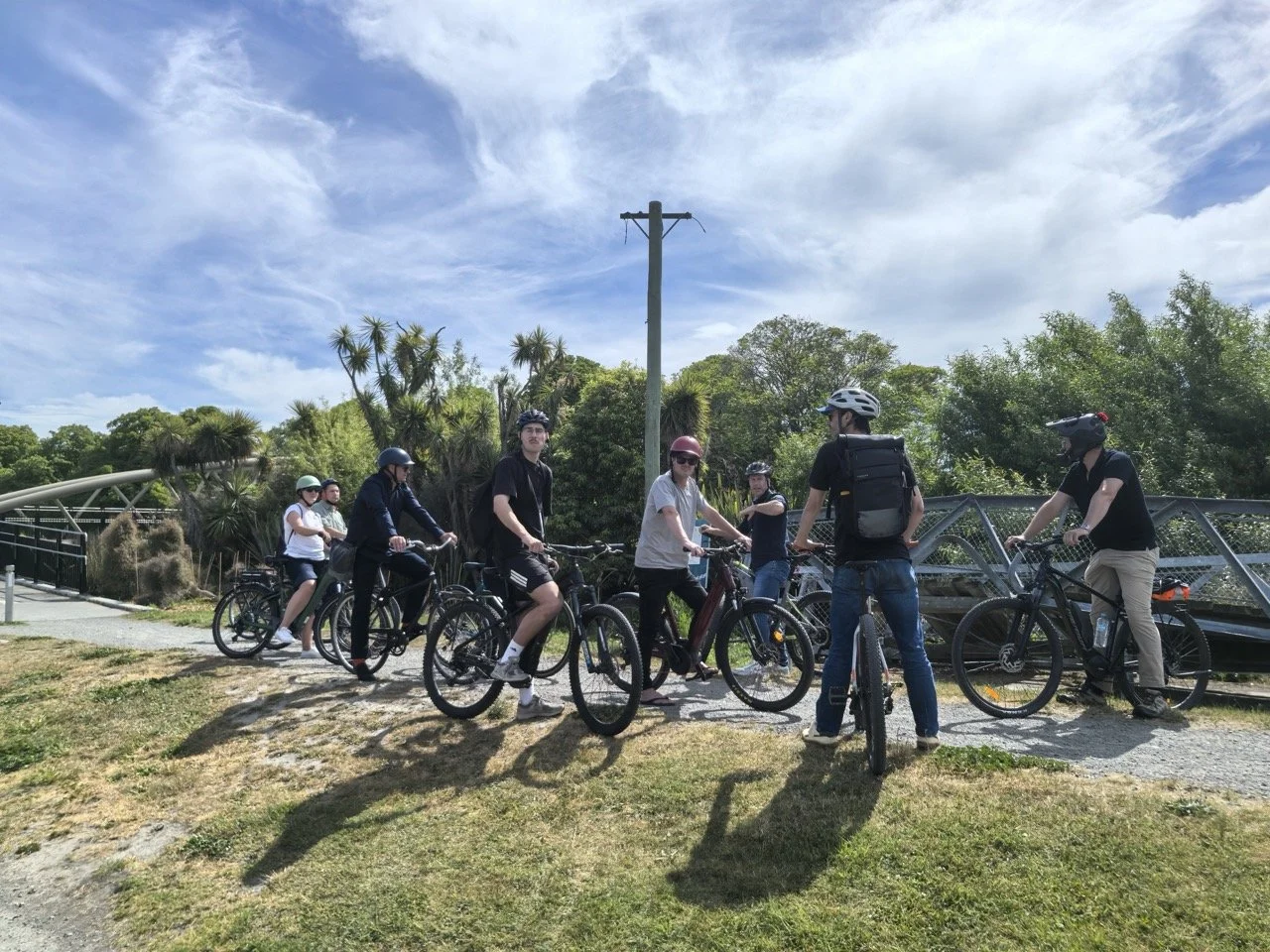
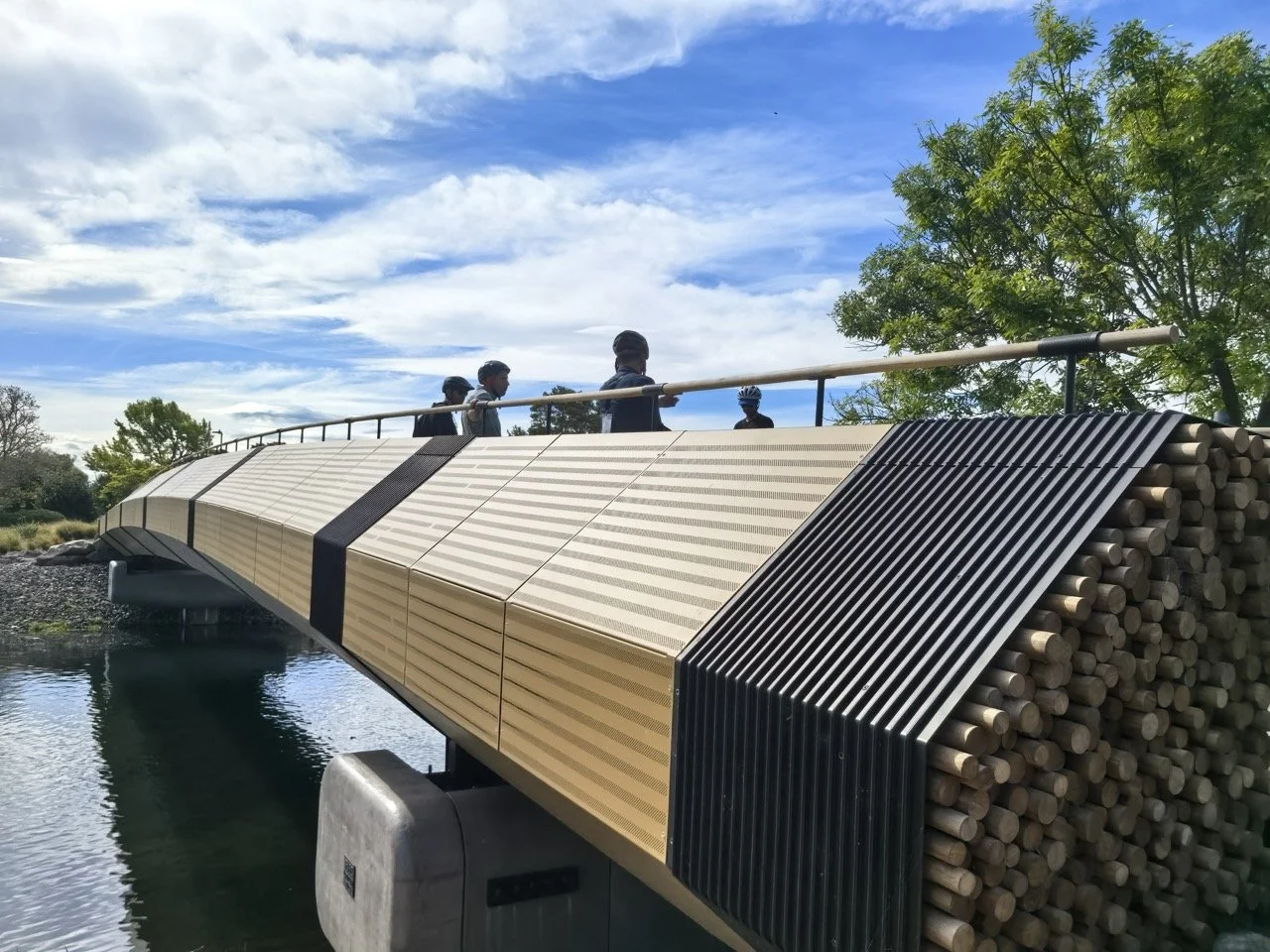
… Student Ripples Abound
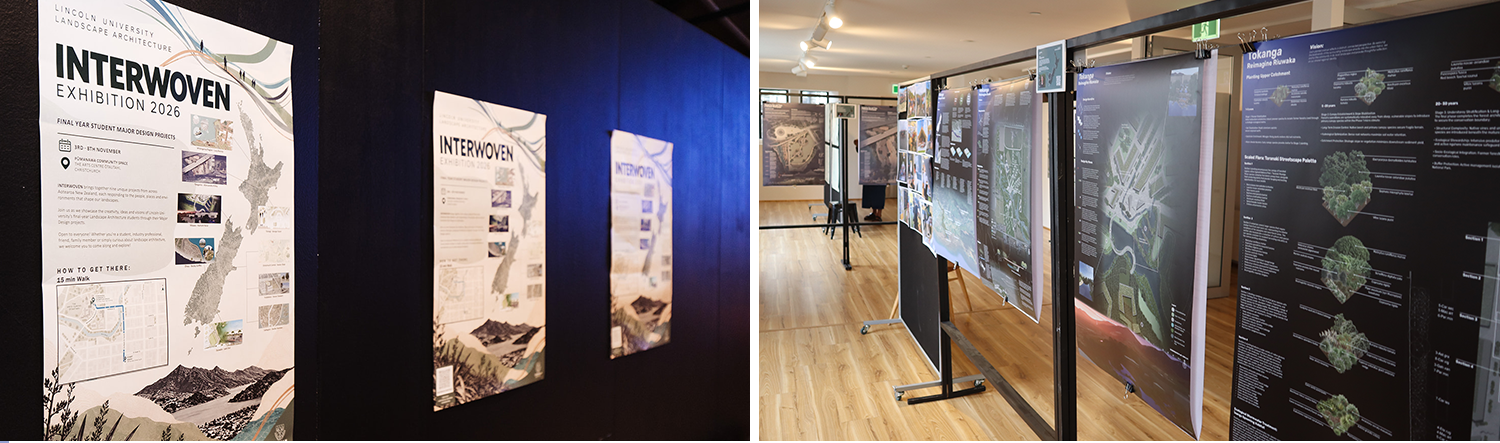
The INTERWOVEN exhibition was promoted at the Firth NZILA Wānanga 2026 by a wall of posters (left image). Photos from the exhibition itself - example at right - will appear soon on LAA.
It so happened that there were several concurrent exhibitions of direct interest to matters of landscape, biodiversity and landscape architecture on show during the week that the Firth NZILA Wānanga 2026 was held in Ōtautahi Christchurch - be that at the Christchurch Art Gallery Te Puna o Waiwhetū or at Te Matatiki Toi Ora The Arts Centre.
The latter venue hosted the long-awaited Lincoln University students’ INTERWOVEN exhibition in its Pūmanawa room - profiled for LAA by student Lucy Rennie in October.
This was an apt reminder of the whakataukī read out at the close of the Firth NZILA Wānanga:
Te Kotahi a Turahiri, ka ripo ana i te moana
(A single child who causes the ocean to ripple)
Such a good choice, given this was only recently gifted to Di Menzies by Rongowhakaata to open her acceptance speech for the Sir Geoffrey Jellicoe Award.
As Di has said: “This whakataukī echoes my advocacy to the students I teach and do research with: Be the one who causes the ocean to ripple”.
Tihei mauri ora!